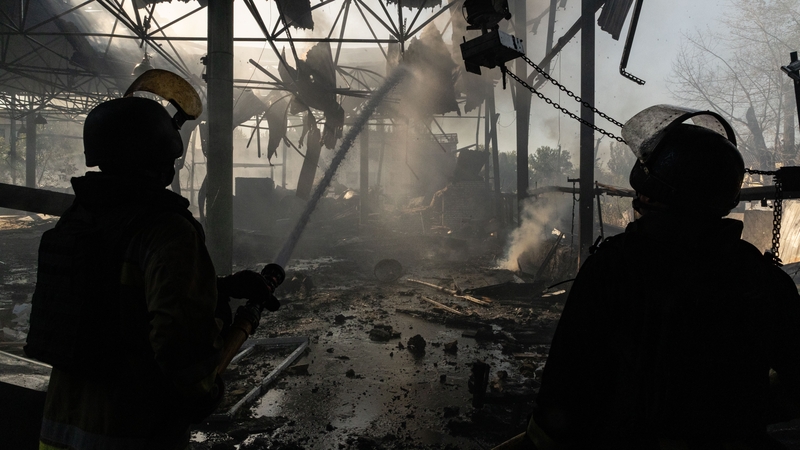
Aceh’s peace anniversary turmoil: The gap between generations
For those born after the Helsinki agreement, peace is not something remembered as being won through intense political negotiation and sacrifice. It is simply the default baseline of existence.
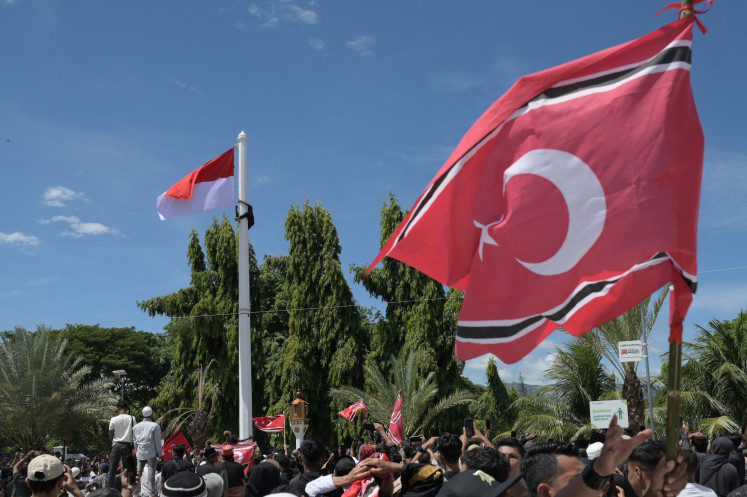
The 21st anniversary of Aceh's historic peace agreement, signed under the Helsinki Agreement, drew unrest at Banda Aceh's Baiturrahman Grand Mosque on August 15. The gathering saw the display of a crescent moon and star flag, igniting deeper political tensions. For those who lived through the conflict, peace was a precious lifeline, after enduring midnight gunfire, intimidating checkpoints, and the constant fear of losing loved ones.
However, for those born after the Helsinki Agreement, peace is simply the default reality, never a battle-won feat.
The generational divide has substantially influenced Aceh's political landscape. The war veterans have spent two decades defending peace, a fragile state after years of conflict. Meanwhile, the post-Helsinki generation questions what peace has delivered in return. To grasp this rift, two neurochemical metaphors are helpful: melatonin and dopamine.
Melatonin explains why post-conflict Aceh remained politically quiet for years. After two decades of devastating war and the 2004 tsunami, social normality became priceless. Just as melatonin calms the body for sleep, memories of violence induced a collective desire to lower political tensions, avoid confrontation, and preserve stability at all costs.
Weak governance, bureaucratic inefficiency, patronage networks, and political corruption were endured, not out of irrationality, but the trauma-weary society's natural psychology.
However, the quiet is ending. Dopamine, on the other hand, reveals why this silence is changing. The generation that inherited peace now asks what it has delivered in return. This shift in perspective fundamentally alters Aceh's political equation.
Written by urgent.news from The Jakarta Post Academia's reporting — not their text. Machine-written — may contain errors; check the original before relying on it.