1,300 commercial vessels transited Strait of Hormuz since May 2026: US CentCom
US forces have assisted approximately 1,300 commercial vessels in transiting the Strait of Hormuz since early May 2026, enabling the movement of more than 660 million barrels of crude oil , the Central Command (CentCom) reported on Friday. Recent activity implies an average of roughly 7 million barrels per day (bpd) over the past three weeks (approximately 160 million barrels since the previous…
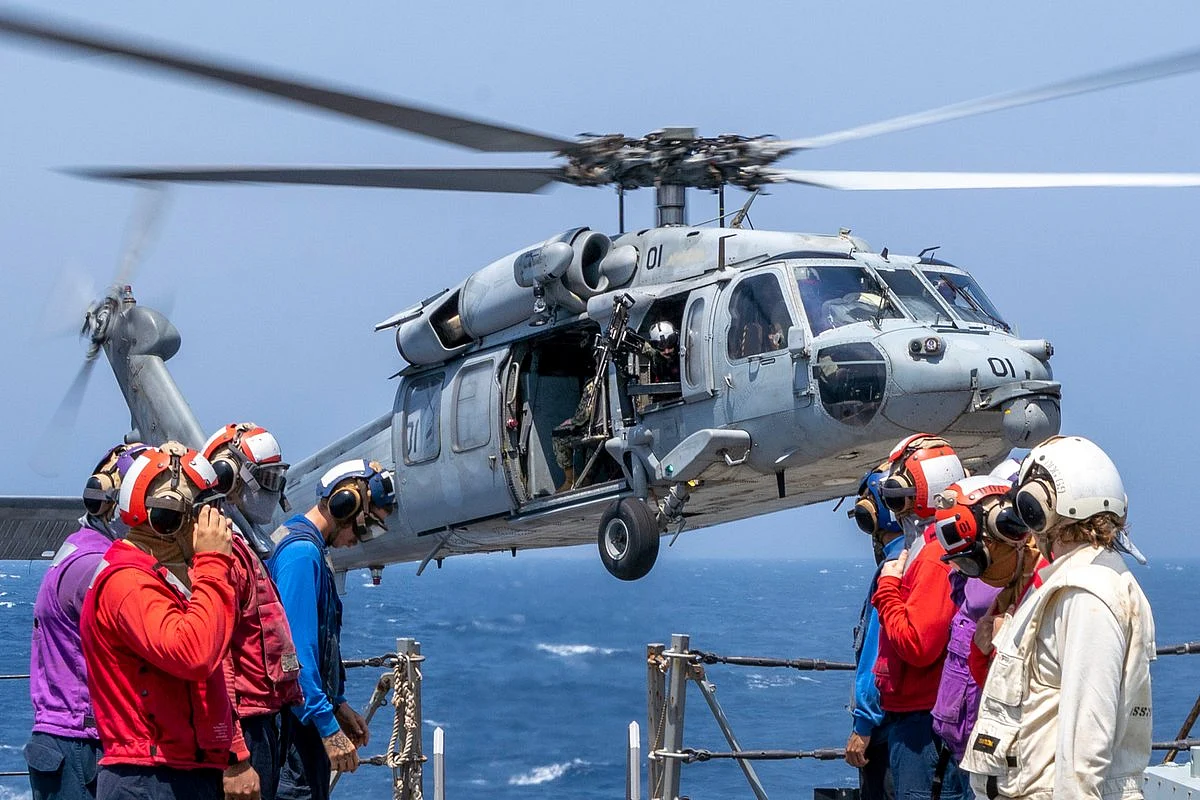
Since early May 2026, approximately 1,300 commercial vessels have successfully transited the Strait of Hormuz, carrying over 660 million barrels of crude oil, according to a report from US Central Command (CentCom) on Friday. This averages roughly 7 million barrels per day over the past three weeks, with the total since the previous update in late July amounting to approximately 160 million barrels.
This figure is significantly lower than pre-war levels of about 20 million barrels per day that typically passed through the strait. US Navy Captain Tim Hawkins, a CentCom spokesperson, confirmed that multiple routes remain open for commercial transit. CentCom has issued updates on assisted traffic, with figures ranging from 800 vessels (380 million barrels) by early July to 1,000 vessels (500 million barrels) by late July.
The recent increase in traffic is due to a regional conflict that intensified in late February 2026 following US-Israeli strikes on Iran. In response, the US has imposed a naval blockade on Iranian ports while ensuring freedom of navigation for non-Iranian commercial vessels. US forces have been escorting and protecting ships primarily along the southern route near the Omani coast, with ships often transiting at night sometimes with disabled transponders under the protection of US warships, aircraft, helicopters, and interceptors against Iranian drones, missiles, and small boats.
Despite these efforts, some ships have still been targeted. The increase in ship crossings through the Hormuz has risen by 44%. However, private maritime trackers have reported lower figures, with exports through the strait averaging around 1.6 million barrels per day in May, rising to 4 million in June and 5 million in July, with expectations of further increases in August.
Alternate export routes, such as Saudi Arabia's East-West pipeline to Yanbu (Red Sea) and the UAE's Habshan-Fujairah pipeline, have partially offset the demand gap. Although these measures have helped prevent severe price spikes, the overall crude and petroleum product exports from the Middle East remain below pre-conflict norms.
The operation aims to maintain freedom of navigation and curb the energy market disruption while exerting economic pressure on Iran through the port blockade. Iranian forces continue to exert control over the northern routes and have threatened or attacked vessels, maintaining a tense environment. Some commercial operators remain hesitant due to increased insurance costs, lingering mine threats, and intermittent escalations.
The data indicate that while the escort mission has kept some oil flowing, the constraints imposed by the Iran conflict remain significant.
Written by urgent.news from Gulf News's reporting — not their text. Machine-written — may contain errors; check the original before relying on it.