Workplace surveillance is on the rise. Here’s how to protect your personal data from your employer
College administrators read an adjunct professor’s comments to students on personal essays. Managers told a pharmacist to spend less time with patients after tracking the number and length of her appointments. Scanners on a warehouse conveyor belt monitored the pace of workers to ensure they inspected hundreds of items per hour. Thousands of employers are keeping tabs on the whereabouts,…
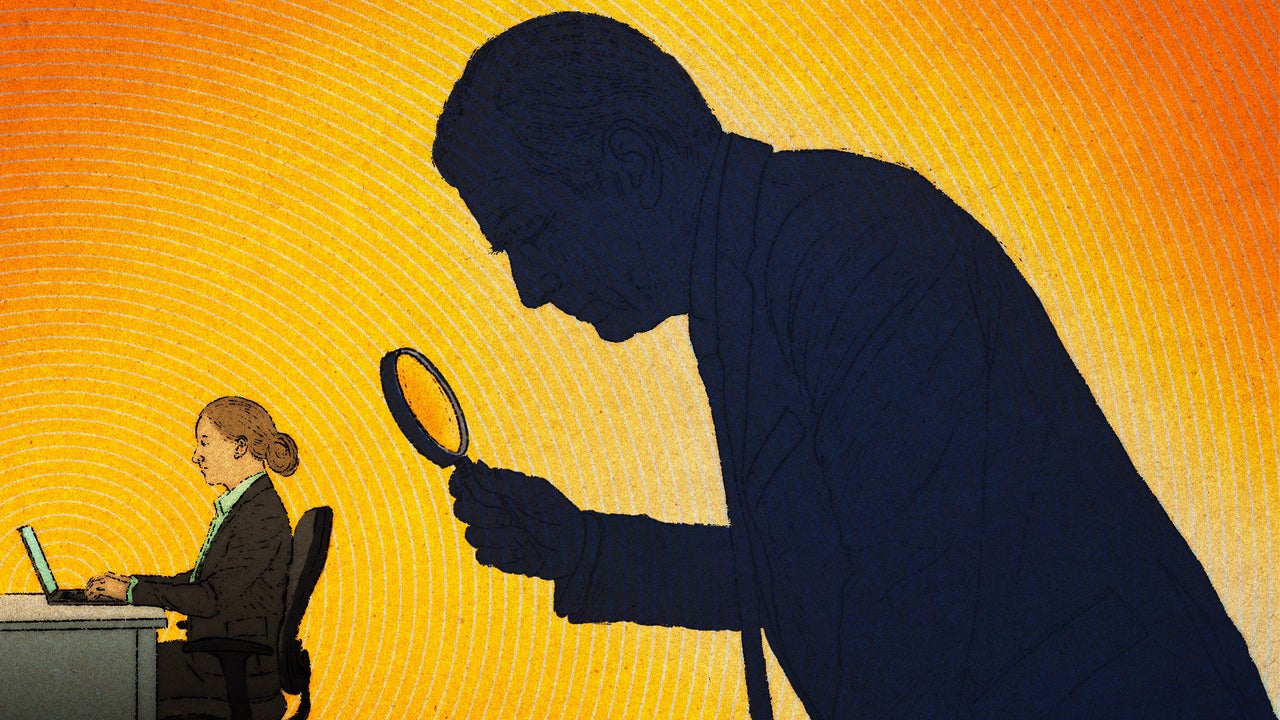
Workplace surveillance is becoming increasingly common, with employers using technology to monitor employees' whereabouts, productivity, and communications. This trend accelerated during the COVID-19 pandemic as digital tools became widely adopted. These tools can track locations, collect data on task completion rates, and access cameras on work-issued devices, raising concerns about employee privacy.
Employers have a history of monitoring workers, but recent advancements in artificial intelligence and data science allow them to create extensive data sets, or "dossiers," that can be used to punish employees or predict their behavior. Some employers share personal data with hundreds of outside data brokers and technology companies without clearly disclosing the practice.
Data privacy experts and workers affected by surveillance stress the risks of employer monitoring and suggest steps employees can take to protect their personal information. One approach is to join forces with colleagues who share similar concerns and advocate for better monitoring practices. However, not all surveillance practices are transparent, and some employers use unexplained data collection and ranking systems that are not apparent to workers.
To protect themselves, employees should research data collection trends in their industry and maintain awareness of how their employers use surveillance technology. Some states have enacted laws requiring employers to notify workers if they are being monitored, such as New York, Connecticut, Delaware, and Maine. However, the specifics of what constitutes "the duties of the job" can vary, creating ambiguity in legal interpretations.
In cases where surveillance leads to termination or other adverse actions, employees should be aware of their state laws and consider seeking legal counsel to understand their rights and options.
Written by urgent.news from Fast Company's reporting — not their text. Machine-written — may contain errors; check the original before relying on it.