Wi-Fi 7's WPA3 protections come with a compatibility catch
CableLabs wants hardware makers to embrace a workaround that keeps legacy kit connected
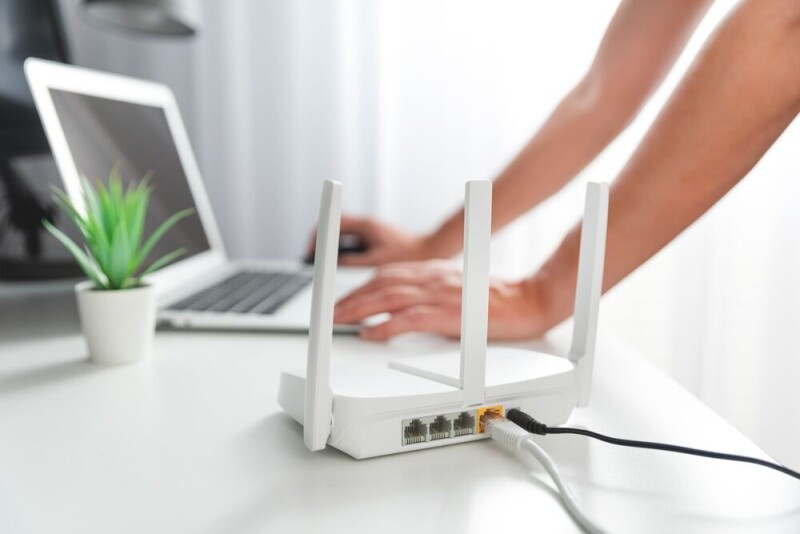
CableLabs, a broadband industry research body, has raised concerns about the compatibility issues that may arise when trying to make Wi-Fi 7 access points support older devices. The Wi-Fi 7 products have been in the market for a couple of years, with the Wi-Fi Alliance starting its certification program for the latest iteration in early 2024.
WPA3, the latest version of the Wi-Fi Protected Access security standard, is now mandatory on the 6 GHz band used by Wi-Fi 6E and Wi-Fi 7. While WPA3 has been supported by Wi-Fi 6, access points on older frequency bands can use a transition mode to accommodate WPA2 devices. With over 23 billion Wi-Fi devices in use worldwide, many relying on Wi-Fi 5 or Wi-Fi 4 hardware, especially in domestic environments with a mix of client devices, compatibility issues can emerge.
WPA3-Personal Transition Mode allows an access point to offer both WPA2 and WPA3 authentication, but some legacy clients may misinterpret the information and fail to connect. CableLabs suggests that chipset vendors and makers of Wi-Fi 7 access points prioritize support for the industry's workaround. The Wi-Fi Alliance devised WPA3-Personal Compatibility Mode (PCM), which moves security information into Robust Security Network Override (RSNO) elements.
However, this introduces a new requirement that client devices must support RSNO to operate in Wi-Fi 7 mode with a Wi-Fi 7 access point. With RSNO support still relatively new, many devices lack it, and many low-cost and smart home devices rely on older chipsets that need to be tested against the latest Wi-Fi access points.
Written by urgent.news from The Register Science's reporting — not their text. Machine-written — may contain errors; check the original before relying on it.
This story
This is one outlet's version. Read the fullest account.
- Wi-Fi 7's WPA3 protections come with a compatibility catch theregister.com