Why this year’s Medicare-for-all debate is different
The affordability and availability of healthcare is emerging as a top concern for Americans, with some recent surveys ranking it easily as the top concern. Voters are upset with rising costs, and federal cuts to Medicaid and Obamacare subsidies threaten to leave millions more uninsured. Progressive candidates, who have won major primaries this cycle, have […]
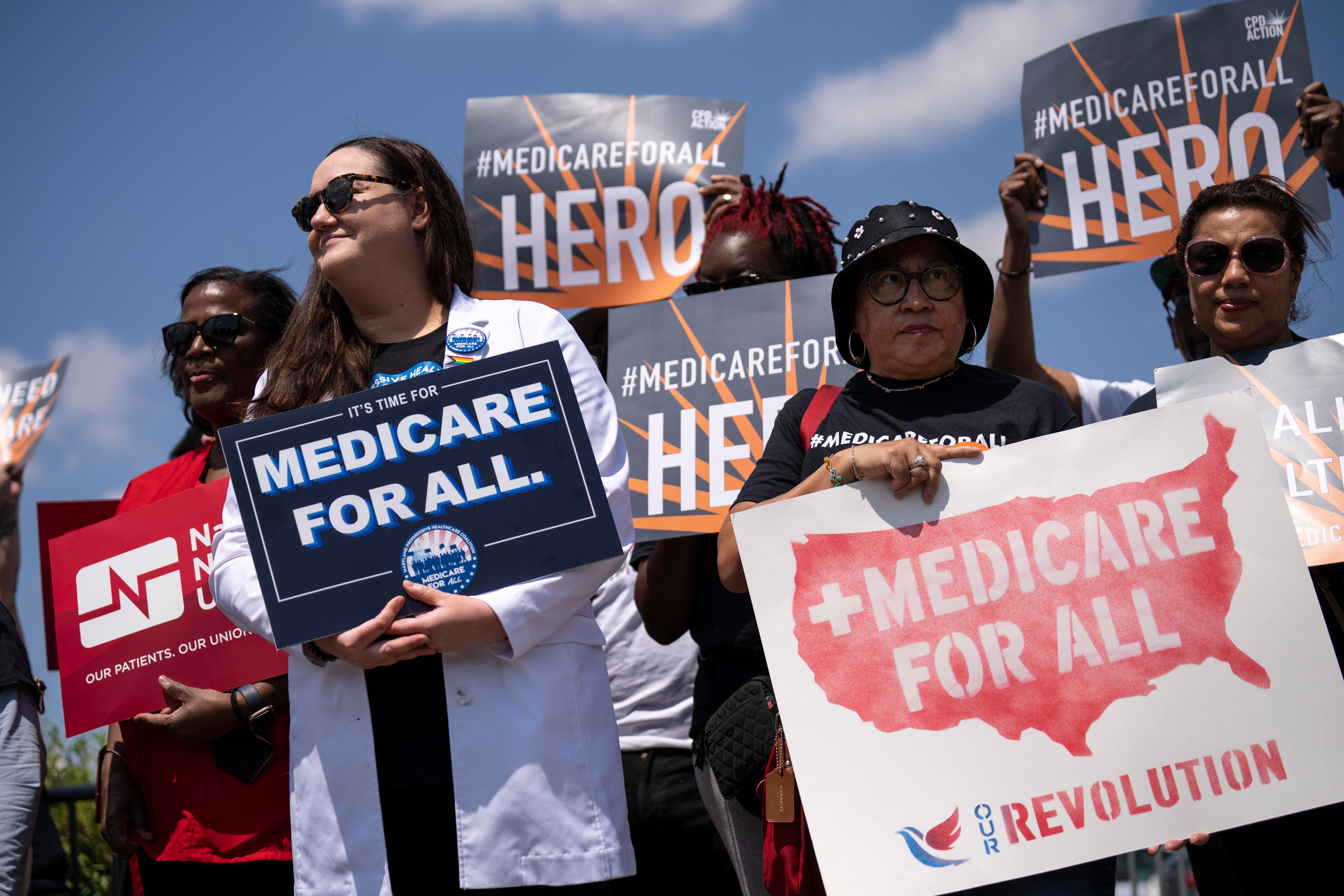
The Medicare-for-all debate in 2023 is different from previous years. With healthcare affordability and availability emerging as top concerns for Americans, there is broad support for the idea, even if many voters are unsure of its practical implications. However, Democrats have been fighting over the concept for the past decade, with a particularly heated debate during the 2020 presidential primary.
The popular slogan is most closely associated with Senator Bernie Sanders, who introduced a federal Medicare for All Act that would enroll virtually every American into one national plan and largely eliminate private health insurance. Despite this, key figures like Abdul El-Sayed, a progressive candidate running for US Senate, are campaigning on a version that would allow people to keep their private health insurance if they prefer.
A March 2026 survey found that 60 percent of Americans believe Medicare-for-all would create a single-payer system, while 61 percent also think they'd keep their private plan. Health insurers anticipate a median 15 percent premium hike, on top of a roughly 20 percent increase this year, and new Medicaid work requirements are set to begin in January, just as the 2028 campaign begins. These rising stakes suggest that the Democratic healthcare wars might finally be heading for a collaborative truce.
Recent interviews with activists, pollsters, and policy experts indicate cautiously optimistic outlooks about the possibility of a consensus on healthcare politics. New and serious healthcare proposals are being circulated among lawmakers and potential 2028 presidential contenders, including breaking up healthcare monopolies, expanding public drug manufacturing, regulating hospitals, and establishing new public options.
These proposals suggest that people are now focused on finding practical solutions rather than engaging in extreme stances to shift public opinion.
Written by urgent.news from Vox's reporting — not their text. Machine-written — may contain errors; check the original before relying on it.