Why that parking spot outside the house isn’t really yours
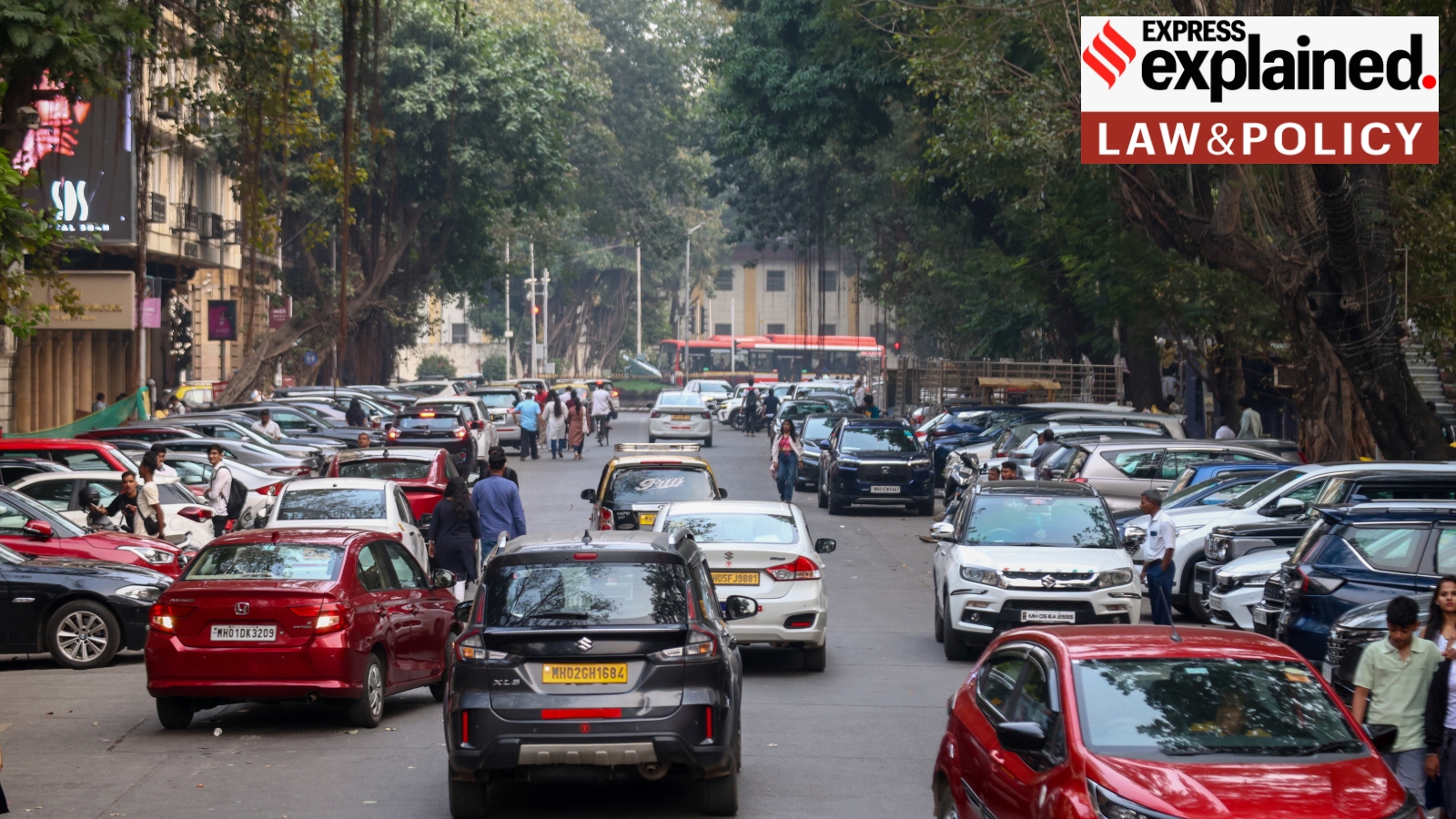
The Delhi Police is set to implement a new congestion-management plan, with Commissioner Anurag Kumar directing traffic circles to pinpoint problematic areas plagued by encroachments, unauthorized parking, and persistent traffic congestion. This move is part of a larger initiative to enhance traffic flow, bolster enforcement, and curb unauthorized parking, which contributes to traffic blockages throughout the city.
The question arises: does residing next to a public street grant homeowners any special rights to the parking spaces adjacent to their residences? The short answer is no. According to the Delhi Municipal Corporation Act, 1957 (DMC Act), a "public street" is defined as any road under the corporation's jurisdiction. Section 298 of the Act vests all public streets in the corporation, which means the road outside a house belongs to the public authority, not the adjoining resident.
Consequently, no provision within the DMC Act grants a homeowner exclusive rights over the stretch of road before their property.
Parking on public roads is lawful, though regulated. Under Section 117 of the Motor Vehicles Act, 1988, the state government has the authority to designate areas where motor vehicles can either remain indefinitely or for a specified period, and can also designate where public service vehicles may stop for extended durations. Section 122 of the Act prohibits leaving a vehicle in a public space in a manner that poses danger, obstruction, or undue inconvenience to other users of the public place or its passengers.
Section 127 of the Act allows for the towing or immobilization of vehicles abandoned or left unattended in violation of parking regulations.
Delhi has its own set of rules governing parking. The Delhi Maintenance and Management of Parking Places Rules, 2019, established under the Motor Vehicles Act, strictly prohibit on-street parking within 25 meters of intersections on any road arm, and ban parking in green areas, parks, footpaths, bus stops, and other specified locations.
Rule 11 of these Rules mandates that the area parking plan, developed by civic agencies, must encompass parking arrangements within residential areas. This plan should be developed in consultation with residents or Resident Welfare Associations. Additionally, residential colony roads are required to keep one lane clear for emergency vehicles.
Furthermore, the Delhi Motor Vehicles Rules, 1993 empower the District Magistrate, in consultation with the State Transport Authority, the Deputy Commissioner of Police (Traffic), and the local authority, to determine and officially announce parking places within their jurisdiction. Therefore, curbside parking outside a home is ultimately governed by the public authority that owns and regulates that particular road segment, not the resident living beside it.
Written by urgent.news from The Indian Express's reporting — not their text. Machine-written — may contain errors; check the original before relying on it.