Why is it so hard to let go of the things we own?
After nearly 19 years in a London flat, one writer confronts the coats, books, crockery and other possessions that quietly accumulated into a life – and discovers why decluttering can feel surprisingly emotional.
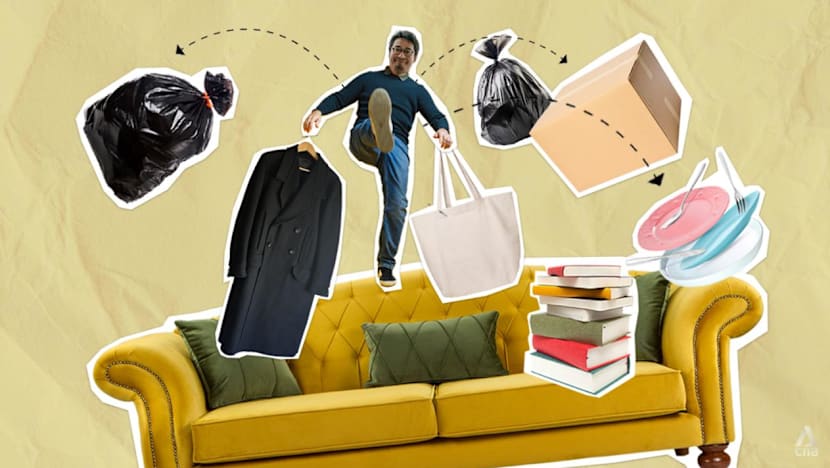
For nearly 19 years, I have resided in a London flat, surrounded by coats, books, crockery, and other possessions that gradually collected into a life. Upon moving to Singapore, the challenge emerged from limited space. I found myself contemplating why I had accumulated 15 coats, especially considering I had never required such a quantity.
The struggle was not limited to clothing; I also had 25 tote bags, three or four dinner sets, and an extensive library filled with unread books. These items represented versions of myself that never materialized in my actual life and had been kept for future ambitions that never came to fruition.
As I sorted through the belongings, I encountered emotional difficulties. I questioned the necessity of 15 coats and realized that keeping them was an attempt to retain a future that never arrived. The realization that each object carried an irrational grief or guilt, potentially eroding a memory or loved one's legacy, became apparent.
The process of clearing out possessions led to a psychological trauma of sorts, yet it was a relief in the end. I made a personal agreement with myself to keep only what was necessary or irreplaceable and donate the rest to those who would benefit from them. This decision was swift, with an afternoon dedicated to packing belongings into bins and boxes, followed by the arrival of moving trucks.
The emotional toll was alleviated by the realization that the years of accumulated items were finally released, leaving behind a flat with a newfound emptiness that was less a burden than a relief.
Written by urgent.news from Channel News Asia's reporting — not their text. Machine-written — may contain errors; check the original before relying on it.