Why Cancer, Not Affordability, May Be the Biggest Issue in Iowa’s Midterms
This story was originally published by the Guardian and is reproduced here as part of the Climate Desk collaboration. In Iowa, one of the key battleground states in November’s midterm elections, just about every political candidate agrees on one thing: Something must be done about the state’s rising rates of cancer. The midwestern state has the second-highest rate of cancer nationwide […]
In Iowa, a key battleground state for the November midterm elections, cancer has emerged as a dominant issue among political candidates. The state has the second-highest cancer rate in the nation, with rising incidence rates, alongside Utah and West Virginia. Candidates are now pledging to prioritize the fight against cancer, with both Republican and Democratic hopefuls emphasizing the need for action.
However, they differ on the extent to which Iowa's strong agricultural economy contributes to the issue and what measures should be taken.
Sarah Green, executive director of the Iowa Environmental Council, notes that while the state's cancer rates mirrored national trends until 2012, they have since begun to climb without a clear explanation. Cancer is a complex issue, with various factors such as stress, diet, and environment affecting risk. The importance of addressing this issue is evident, as a survey has ranked cancer as the top concern for Iowans, surpassing even the cost of living.
In the race for the state's open US Senate seat, Democrat Josh Turek has brought up his sister's battle with breast cancer and his father's exposure to Agent Orange during the Vietnam War, while Republican candidate Ashley Hinson has focused on health policy reform in Washington. Both parties have been competing for control of Iowa's four Republican-held House districts, with candidates offering plans to channel federal resources towards addressing the state's cancer crisis.
Zach Lahn, who won an upset victory in the Republican primary with support from a PAC connected to the Make America Healthy Again (MAHA) movement, has unveiled a comprehensive plan to curb cancer rates. Lahn and his Democratic opponent, Rob Sand, have both presented detailed proposals, highlighting the need to curb the state's cancer rates.
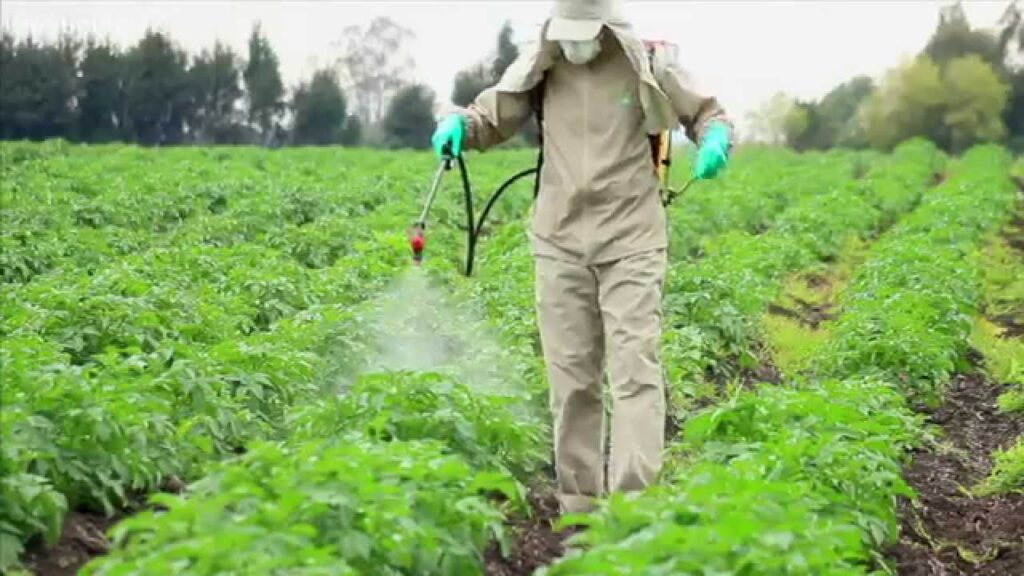
Iowa's agricultural dominance, which produces a third of the state's economic output and a fifth of its jobs, comes with consequences. The state uses more fertilizer than any other, and it has the highest number of concentrated animal feeding operations in the country. These factors contribute to Iowa's high cancer rates, particularly for non-Hodgkin lymphoma and acute myeloid leukemia, which some studies suggest may be linked to glyphosate, the herbicide widely used in the state.
Additionally, Iowa's waterways are among the most polluted by nitrates in the US, leading to a recent lawn watering ban in Des Moines due to elevated nitrate levels in the rivers used for water supply.
Written by urgent.news from Mother Jones's reporting — not their text. Machine-written — may contain errors; check the original before relying on it.