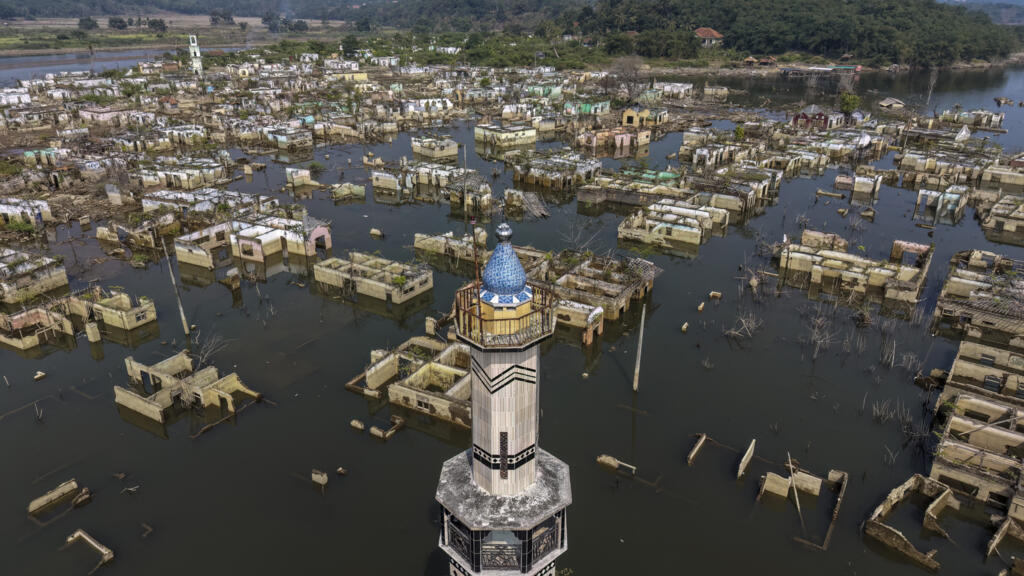
What a record-breaking El Nino could mean for the world
WASHINGTON: This year’s El Nino is on track to be the strongest on record, threatening to unleash extreme weather across the globe and make 2027 the hottest recorded year by far.
The current El Nino, which began this year, is expected to be the strongest on record, potentially making 2027 the hottest year ever recorded, surpassing the heat of 2024. This intense El Nino, the most powerful in over a century, will amplify the effects of long-term human-induced climate change, offering a glimpse into the heat the world may experience by the late 2030s, according to experts.
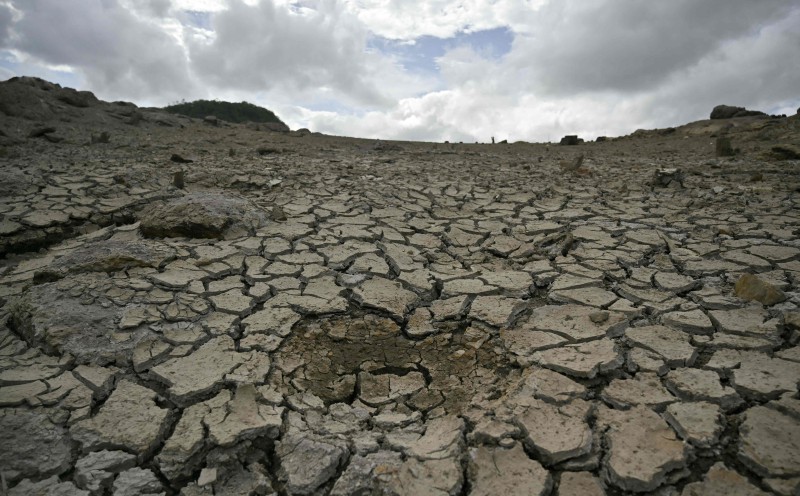
El Nino is the warming phase of a natural cycle in the tropical Pacific known as the El Nino-Southern Oscillation (ENSO). When trade winds weaken, this allows warm water to slide east, causing more storms and clouds, which in turn influences weather patterns globally. The result is hotter, drier conditions in some regions, and cooler, wetter patterns in others.
Indonesia, for instance, has experienced severe wildfires due to the prolonged, intense dry season. The current El Nino is heating up rapidly, with sea surface temperatures in the Nino 3.4 region running about 2.6C above the 30-year average. Forecasts suggest it could peak at 3.9C above average by November, potentially making 2027 the hottest year on record, with a temperature of 1.76C above pre-industrial levels – a warming effect that would be equivalent to what would typically occur by 2037.
Climate change exacerbates the impacts of El Nino, as a warmer atmosphere holds more moisture, leading to more extreme rains, and dries out soils, deepening droughts. Scientists agree that climate change may also be increasing the strength of El Nino events themselves, making them more intense and occurring more frequently.
Written by urgent.news from New Straits Times's reporting — not their text. Machine-written — may contain errors; check the original before relying on it.