What 72,000 Bodies at a Fence Revealed about Africa and Europe
The waters of the Atlantic and the Mediterranean are full of the remains of those who perished while trying to reach Europe.
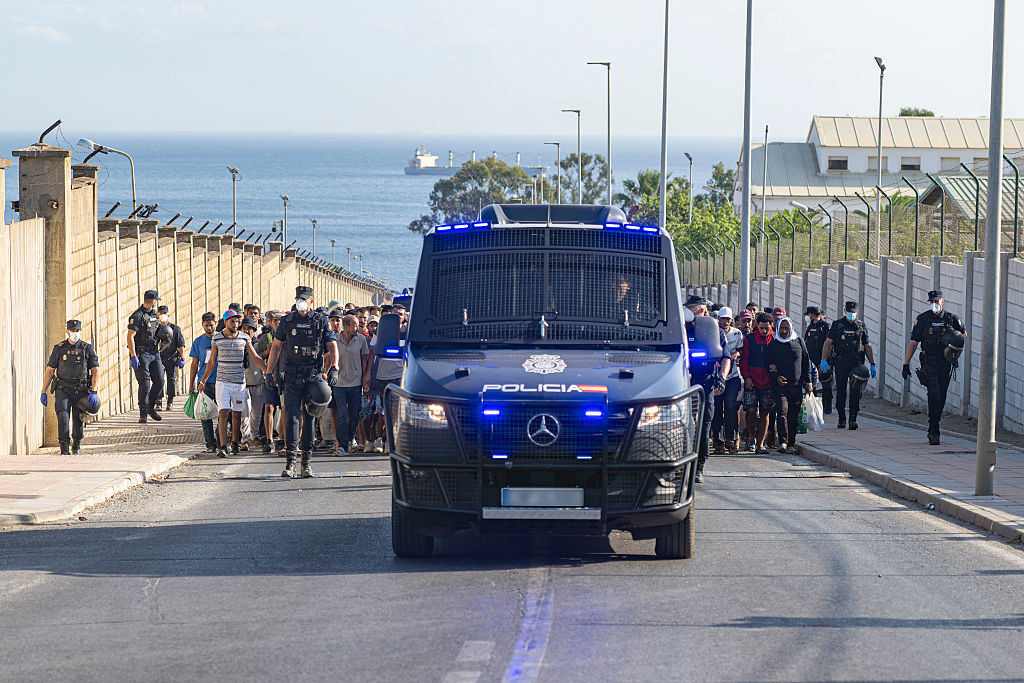
In late July and early August, approximately 72,000 individuals from Morocco—many of them minors—attempted to cross a border fence and reach Ceuta, a Spanish enclave near the northern tip of Morocco. These migrants, driven by a mix of calculation and desperation, sought a better life in Europe, a land they could only dream of due to the stark disparity in wealth and opportunity between the two regions.
The migrants faced a variety of motivations. Some had tried to cross before and were well-prepared, while others were lured by misinformation and rumors of a sudden window of opportunity. Others, however, were driven by a reckless optimism, believing that even a beating would be worth enduring for a chance at a better life. The risk-reward calculation was simple: even a day of detention in Ceuta was preferable to the uncertainty and hardship they faced in Morocco.
The human cost of this migration was devastating. Videos showed migrants being kicked and beaten by Spanish authorities, while others drowned or were killed in the crush of thousands. Among the 141 fatalities were Faten, a 20-year-old footballer with dreams of playing in Europe, and Ahmed, only 17 years old. The Moroccan government, disengaged from the crisis, pinned the blame on organized criminal smugglers, a narrative that went largely unchallenged.
The Moroccan government's disengagement was particularly ironic, as the crisis unfolded during the annual celebration marking King Mohammed VI’s reign. The government attributed the migrant wave to organized criminal networks, ignoring the underlying factors of inequality, lack of opportunities, and high unemployment rates among Morocco's youth. The government even arrested those who spoke out against the state’s handling of the situation, further stifling dissent and hiding the true reasons behind the migration.
Conspiracy theories about geopolitics further obscured the reality of the situation, with narratives circulating without any evidence. These theories painted the migrants as pawns in a larger political game, ignoring the desperate circumstances that drove them to leave their homes.
The underlying issues in Morocco are profound. Despite years of economic growth, inequality has deepened, and unemployment remains high, particularly among the youth. While the country’s economy has grown, it has failed to create sufficient employment opportunities, leaving many young Moroccans frustrated and desperate. The government's repressive policies, crackdowns on political freedoms, and heavy-handed treatment of critics only exacerbate the situation, making it harder for those seeking a better life to find any avenue to escape their dire circumstances.
In the end, the migration from Morocco to Ceuta was not just a story of individuals seeking a better life, but a reflection of the systemic issues plaguing Morocco. Until the government addresses the root causes of unemployment, inequality, and repression, the flow of migrants seeking a better future will continue, with tragic consequences for those who fail to make it across the fence.
Written by urgent.news from Time's reporting — not their text. Machine-written — may contain errors; check the original before relying on it.