Weather update: Delhi sees coldest July day in 3 years amid severe waterlogging; flood alert in Odisha
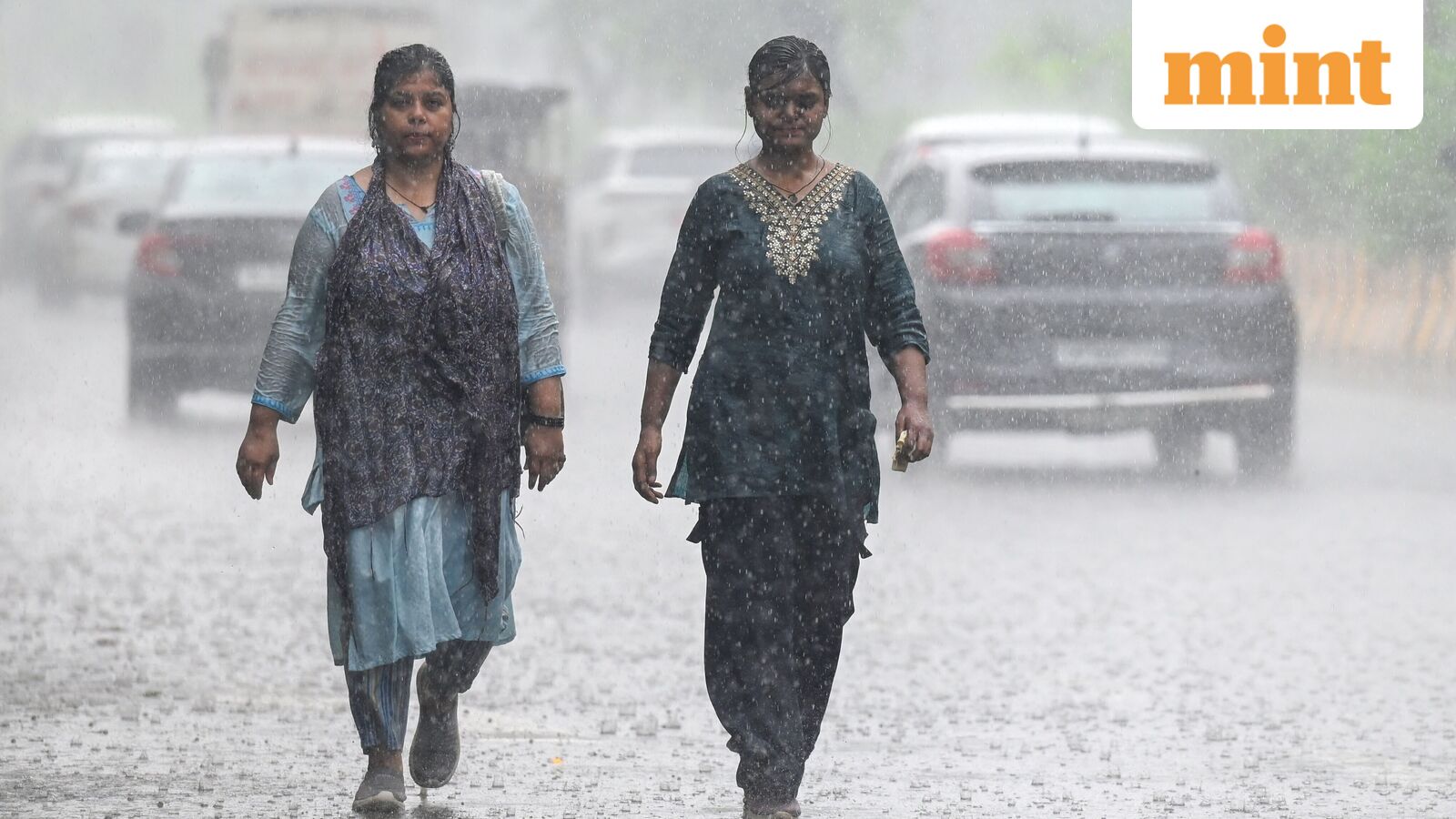
In Delhi, heavy downpours on Tuesday triggered widespread waterlogging and severe traffic gridlocks across several neighbourhoods.
Delhi is currently experiencing a spike in H1N1 influenza cases, with nearly 1,700 reported this season. In response, Union Health Minister JP Nadda convened a review on Friday to assess the national influenza surveillance and preparedness measures. The review encompassed influenza-like illness (ILI) and severe acute respiratory infections (SARI) trends, testing and laboratory surveillance, and healthcare facility readiness, with a specific emphasis on Delhi.
Delhi Health Minister Pankaj Kumar Singh participated in the meeting. Nadda underscored the necessity for vigilant monitoring of influenza trends and proactive preparedness to ensure early detection and swift clinical management of cases. Doctors in Delhi reported a surge in H1N1 cases over the past few weeks, noting that testing symptomatic patients often yields a positive H1N1 result.
While the virus primarily affects healthy individuals with mild symptoms such as sore throat, chest pain, and runny nose, some patients have required hospital admission, with severe cases typically occurring in older individuals and those with underlying medical conditions.
The preparedness of healthcare facilities in Delhi was also evaluated, focusing on hospital bed availability, critical care resources, and essential supplies needed to manage seasonal influenza and respiratory illnesses. Nadda emphasized the importance of public awareness and adherence to preventive health practices, including respiratory and hand hygiene. He advised individuals experiencing persistent or severe respiratory symptoms, breathing difficulties, or other warning signs to seek medical advice promptly.
The health ministry reported that the situation is being closely monitored and coordinated with states, Union territories, hospitals, laboratories, and other stakeholders to enhance surveillance and preparedness. The objective is to ensure effective surveillance, early detection, timely clinical management, and proactive preparedness for seasonal influenza, including H1N1.
H1N1 flu is a subtype of influenza A virus. The World Health Organization (WHO) declared the H1N1 flu pandemic in 2009, which was subsequently declared over in August 2010. However, the H1N1 strain from the pandemic has since become one of the strains causing seasonal flu. Most people recover from the flu on their own, but high-risk individuals, such as the elderly and those with comorbidities, are more prone to developing severe disease.
The Union Health Secretary, Punya Salila Srivastava, had previously advised states and Union territories to strengthen preparedness and surveillance for acute respiratory illness and ensure healthcare facilities remained adequately prepared. The health ministry continues to recommend following respiratory hygiene and hand hygiene measures to limit the spread of respiratory infections.
Written by urgent.news from Hindustan Times's reporting — not their text. Machine-written — may contain errors; check the original before relying on it.
This story
This is one outlet's version. Read the fullest account.