Waiguru’s clean water model goes global as World Bank, Mozambique delegation visits for benchmarking
Kirinyaga’s innovative approach to expanding access to safe and affordable water in underserved rural communities has attracted international attention, with a World Bank and Mozambique water sector delegation visiting the county to learn from its eWATER model. The delegation visited the eWATER project in Gathigiriri Ward, Mwea, to study the model, with a focus on […] The post Waiguru’s clean…
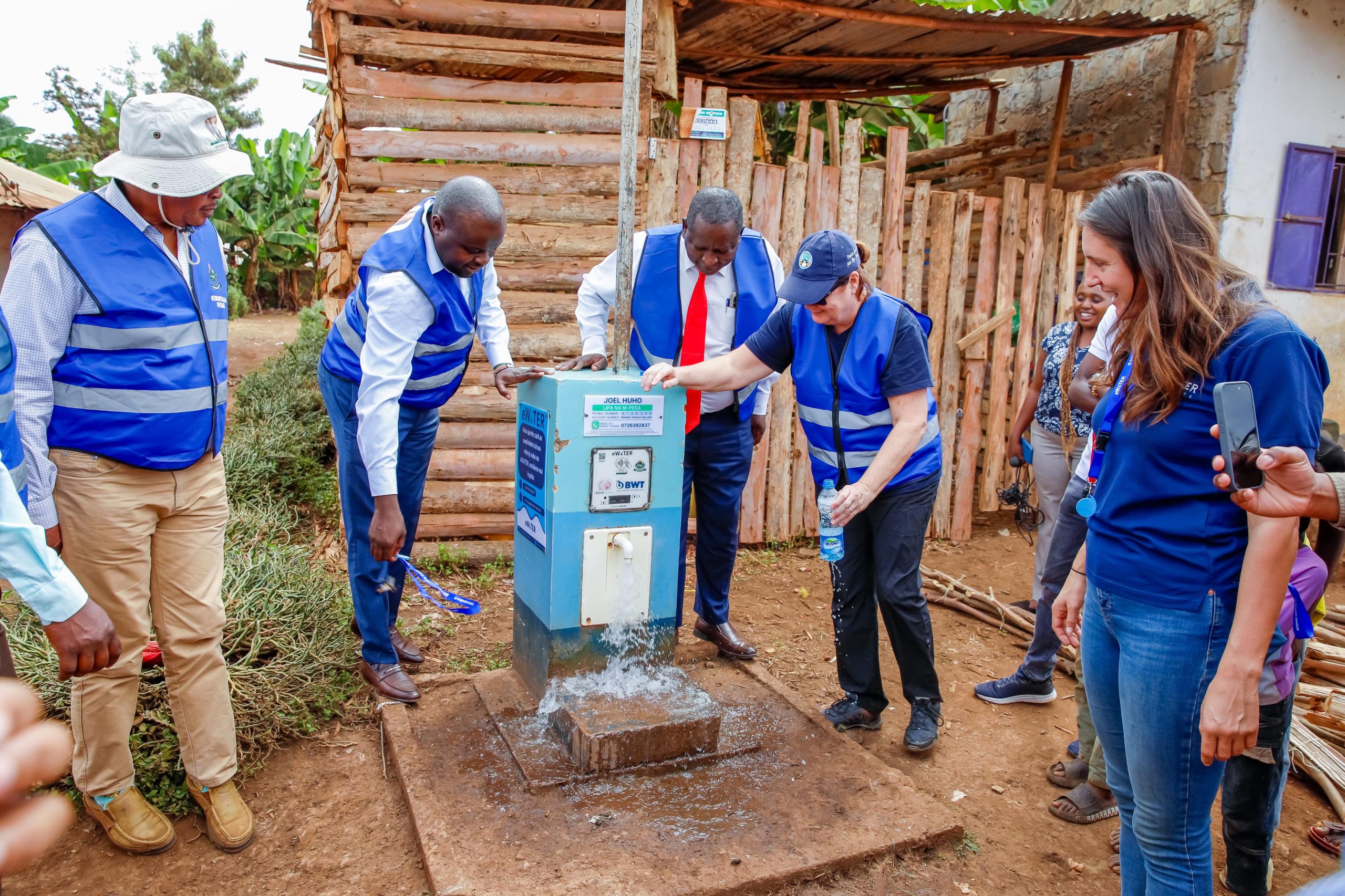
Kirinyaga County in Kenya's innovative eWATER model to expand access to safe and affordable water in rural communities has caught the attention of international observers. The World Bank and a delegation from Mozambique recently visited Kirinyaga to study the eWATER model, which focuses on community participation, water conservation, affordable tariffs, and technology in water distribution.
eWATER partners with the county government to provide reliable and affordable water to areas previously reliant on unsafe sources. Since 2019, eWATER has installed 177 smart water taps, connected 83 households, and served six institutions in Gathigiriri Ward, supplying approximately 17,000 people with treated water at a rate of Sh5 per 20-litre jerrycan.
County Executive Committee Member for Environment Kinyua Mutugi highlighted the success of the partnership, stating that the project has significantly improved clean water access in the region. Governor Anne Waiguru emphasized the county government's commitment to water access, with Ksh. 200 million allocated for water projects in the last and current fiscal years. The county has also undertaken more than 70 water projects across various wards.
The World Bank delegation chose Kenya, particularly Kirinyaga County, to learn from its successful approaches in expanding water access in rural communities. The delegation, including a representative from Mozambique, expressed interest in Kirinyaga's model, which involves community management of water services and innovative tariff structures that encourage voluntary payment.
Residents of Gathigiriri Ward have benefited from the eWATER project by replacing unsafe canal water with treated water closer to their homes. Freshia Wambui, a local resident, noted that the project has improved hygiene and reduced waterborne diseases, allowing residents to consume clean water for daily use, cooking, and even for children.
The eWATER model, operating in Kenya, Tanzania, Ghana, and Gambia, has provided over 1.5 billion liters of water and served approximately 380,000 people since its inception a decade ago.
Written by urgent.news from KBC's reporting — not their text. Machine-written — may contain errors; check the original before relying on it.