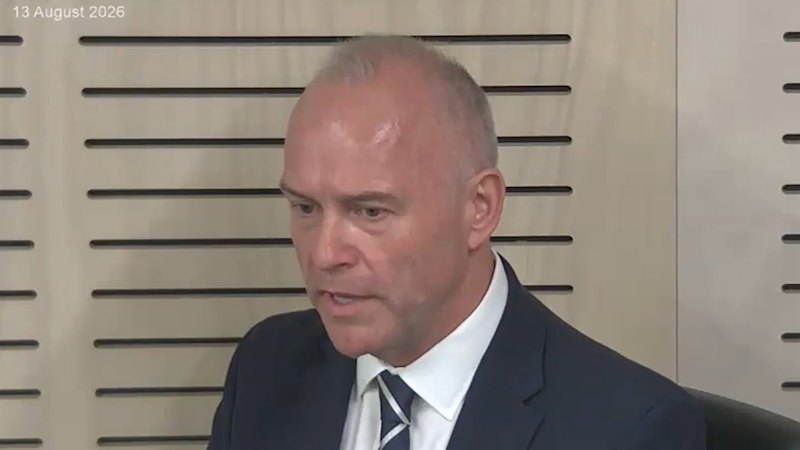
US says it will impose 'toughest sanctions in history' on Iran
By Jana Choukeir and Susan Heavey DUBAI/WASHINGTON, Aug 21 (Reuters) - U.S. Treasury chief Scott Bessent said the United States will impose "the toughest sanctions in history" on Iran, a move he suggested would lessen the need for new major military operations. Bessent's comments on Thursday followed President Donald Trump's threat a day earlier of "Economic Warfare" and warning of economic…
WASHINGTON: The United States is set to impose its toughest sanctions in history on Iran, according to Treasury chief Scott Bessent. This move, announced on Thursday, is intended to reduce the requirement for extensive military actions. Bessent's remarks came after President Donald Trump's declaration of "Economic Warfare" and warning of economic repercussions against any nation providing aid to Iran.
Bessent intends to provide further details next week. Oil prices surged to a three-week high on Thursday following the US threats of financial penalties aimed at halting a six-month conflict that has left millions of barrels of Middle Eastern oil stranded. Bessent told CNBC that if the maximum economic pressure is effective, a major military escalation might be avoided.
The six-month-long conflict has resulted in thousands of deaths and has caused market shock due to Iran's capacity to disrupt shipping through the Strait of Hormuz, which transports around a fifth of all traded oil. The US and Iran have proposed and abandoned ceasefire agreements twice, in April and June, aiming to resume the free flow of shipping through Hormuz and end the conflict.
Iran has condemned the US economic and trade sanctions, labeling them "economic terrorism" that would not deter Iranians' determination to protect their independence, dignity, and national sovereignty. Bessent promised to share more information about the latest sanctions package at a press conference on Monday. The US is imposing a naval blockade on Iran, which was previously halted for a month in mid-June.
Bessent emphasized that the sanctions package will have a significant impact on Iran and its regime. China purchases over 80% of Iran's shipped oil, but engaging in further economic warfare with China, a major exporter to the US, including vital rare-earth minerals, could lead to retaliation against Washington. When asked if the US could target China for its business dealings with Iran, Bessent suggested that China, which relies heavily on Gulf oil, should cooperate with the US.
China's embassy in Washington stated that sanctions and pressure do not resolve the issue and called on relevant parties to take responsible actions and resolve the matter through political and diplomatic means.
Written by urgent.news from New Straits Times's reporting — not their text. Machine-written — may contain errors; check the original before relying on it.
This story
This is one outlet's version. Read the fullest account.