US, Canada push to seal trade deal as deadline nears
WASHINGTON: US and Canadian negotiators raced against the clock on Friday to reach a trade deal before a midnight deadline when punishing new US tariffs are set to kick in.
On Friday, US and Canadian negotiators worked tirelessly to finalize a trade deal before the midnight deadline, when new US tariffs would take effect. President Trump had threatened to impose 50% duties on a range of Canadian products, but ultimately delayed the new tariffs, citing substantial progress in the talks. US President Donald Trump expressed optimism about reaching an agreement with Canada, citing his good relationship with Prime Minister Mark Carney.
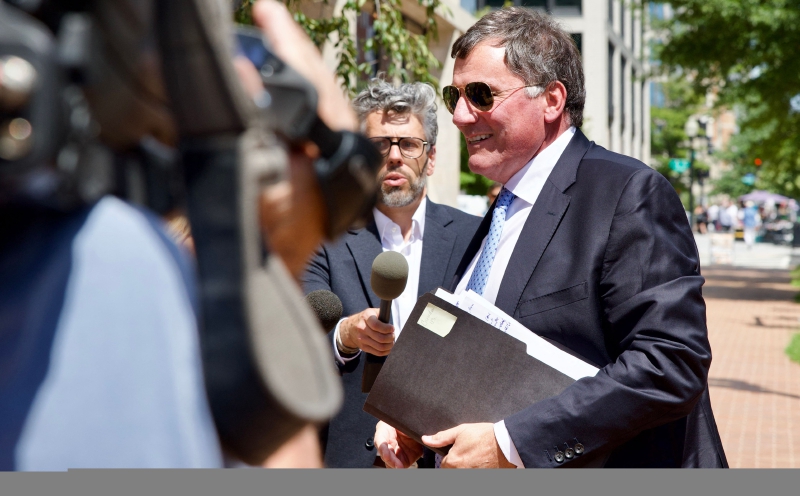
Canadian negotiators had been staying in Washington, D.C., to finalize the deal, which aimed to address various concerns. Both countries reported that a pact was nearly complete, but negotiations continued throughout the day. Canadian negotiator Dominic LeBlanc met with US Trade Representative Jamie G. Greer. Canada sought relief from Trump's tariffs on automobiles, steel, and aluminum, which had negatively impacted its economy, caused job losses, and strained the once-strong trade relationship.
The proposed agreement was revealed after Prime Minister Carney briefed Canadian provincial leaders. The US tariffs on these sectors were likely to be reduced but not eliminated, with Saskatchewan Premier Scott Moe stating there would be no return to the pre-Trump status quo. Ryan Majerus, a trade lawyer at King & Spalding, noted that the US's willingness to reduce sector-specific tariffs significantly increased the likelihood of a deal.
However, Canada's opposition party warned that one-sided tariffs on Canadian industry would be detrimental. Furthermore, Canada's regional leaders expressed concern over the US's removal of US alcohol and wine from liquor stores, a move that angered Washington. Prime Minister Carney urged provinces to restock US alcohol products, while Quebec Premier Christine Frechette and Manitoba Premier Wab Kinew were hesitant, with Kinew suggesting Canada should fight.
Ontario Premier Doug Ford, a prominent critic of Trump, had remained silent but holds significant power over the Liquor Control Board of Ontario, one of the largest purchasers of US alcohol products. Carney repeated that Canada-U.S. relations have been forever changed, regardless of the outcome of the trade deal, and emphasized the need for the country to reduce its reliance on the United States, which currently accounts for around 70% of Canadian exports.
Further negotiations are required to revise the North American Free Trade Agreement (USMCA), which Trump declined to renew last month.
Written by urgent.news from New Straits Times's reporting — not their text. Machine-written — may contain errors; check the original before relying on it.