UK borrows more than expected in July as Healey prepares for first Budget
Chancellor John Healey said the government is 'committed to meeting our fiscal rules'
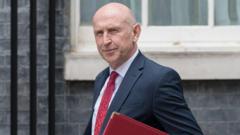
The UK government borrowed £1.8 billion in July, exceeding official forecasts by £2.3 billion, according to figures released by the Office for National Statistics (ONS). This borrowing figure, which represents the difference between government spending and tax receipts, marked a two-thirds increase compared to the same period last year.
Economists cautioned that this borrowing overshoot will limit Chancellor John Healey and Prime Minister Andy Burnham's flexibility as they prepare their first Budget on October 27th, aiming to alleviate cost of living pressures for households. Healey emphasized the importance of fiscal discipline during the Budget, adhering to the fiscal rules set by his predecessor, Rachel Reeves, which commit the government to funding all day-to-day spending through tax receipts by the end of the decade.
In response to the borrowing figures, Healey stated: "We are cutting the deficit faster than any other G7 economy, while giving people a bit of breathing space with cost of living pressures and focusing support to get young people into work." The government's July borrowing was £16 billion lower than in June, largely due to a surge in self-assessed income tax receipts.
However, the higher-than-expected borrowing can be attributed to increased welfare spending, including benefits and other payments such as the state pension. Social payments were £2 billion higher than the same period last year.
ONS data revealed that borrowing from April to July, covering the first four months of the government's fiscal year, amounted to £56.7 billion. This figure was higher than the OBR's forecasts but lower than the previous year. Senior economist Ashley Webb from Capital Economics noted that the borrowing figure added to a series of negative economic indicators, suggesting little room for increased borrowing in the upcoming Budget.
Webb warned that the "borrowing overshoot" is likely to worsen this year as economic growth slows and more household support measures are implemented.
Economist Joe Nellis from MHA echoed these concerns, stating that the figures will not prevent the need for difficult decisions in the October Budget. Healey will have to explore additional tax revenue, tighter control over public sector spending, and other measures to balance the books and adhere to fiscal rules. Failure to do so could unsettle financial markets and potentially increase the cost of government borrowing further.
The ONS also reported that Britain's total debt has reached approximately £3 trillion, growing by £127.2 billion over the past year.
The Conservative Party criticized Labour's spending plans, arguing that they would leave ordinary families to cover the bill, as interest on the soaring debt exceeds spending on defense, police, and prisons combined. Shadow Chancellor Mel Stride emphasized that Labour's spending would "simply cannot afford the price of Labour." Retail sales data for July showed a lackluster performance, with a 0.5% decline from June, attributed to hot weather and a World Cup-related sales surge in June. Clothing and footwear saw the slowest growth since May last year.
Written by urgent.news from BBC News's reporting — not their text. Machine-written — may contain errors; check the original before relying on it.