Trump’s ‘economic D-Day’ for Iran: A path to peace or the war’s next phase?
Nearly six months into the Iran war, US President Donald Trump is reaching for a different weapon. After months of air strikes, threats of massive attacks and faltering attempts at diplomacy, Trump has promised an “economic D-Day” against Tehran — an unprecedented campaign of financial pressure intended to cripple Iran’s economy, choke off its remaining sources of revenue and force its leaders to…
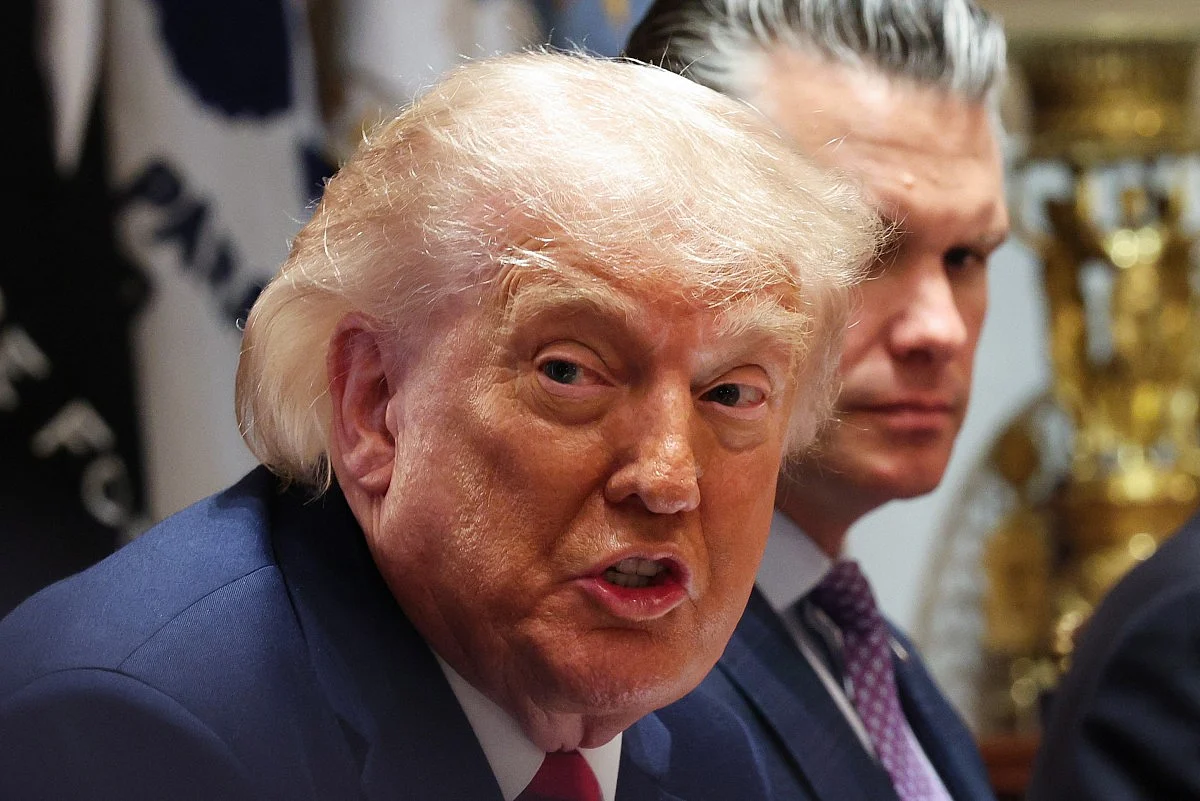
Nearly six months into the Iran conflict, US President Donald Trump is deploying an unconventional tactic. After months of airstrikes, threats, and diplomatic failures, Trump has announced an "economic D-Day" against Tehran—a massive campaign of financial pressure aimed at crippling Iran’s economy and compelling its leaders to accept US demands.
While the language suggests increased hostility, the underlying approach may be a more measured alternative to further military action. The question remains: is this economic offensive the start of a resolution to the war or merely another phase in an ongoing conflict without a clear resolution? In a recent announcement, Trump promised "Economic Warfare and Isolation on an unprecedented scale" against Iran.
The goal is to force the country to abandon its nuclear program and reopen the Strait of Hormuz, a vital waterway through which roughly a fifth of global oil flows. However, the Treasury Secretary, Scott Bessent, clarified that this shift in tactics could mean a temporary suspension of large-scale military operations. This distinction is significant as Trump has previously made threats of renewed attacks only to retreat and allow diplomacy more time.
The shift towards economic warfare might indicate that Washington is seeking leverage without resorting to another major bombing campaign. The military campaign has inflicted substantial damage on Iran, but it hasn’t achieved the political outcomes Washington desired. Iran has withstood months of attacks and continued to retaliate.
The Strait of Hormuz remains partially blocked, and attacks have contributed to elevated energy prices. Washington is also under pressure due to diminishing stocks of some key weapons and the approaching November midterm elections. These factors make another sustained military escalation more costly politically. Consequently, the pivot towards sanctions offers an alternative pathway for Trump to intensify pressure on Tehran without committing the United States to another round of large-scale strikes.
However, the most significant challenge in this strategy lies in China. China is Iran’s largest importer of oil and a crucial financial backer. Targeting Chinese companies or financial institutions over Iranian oil could escalate into a broader economic conflict with Beijing. Balancing the pressure on Iran against the potential costs to US relations with other major economies presents a complex dilemma for Trump.
Can sanctions succeed where bombs have failed? Supporters of this strategy argue that Iran is now more vulnerable than during previous rounds of US sanctions, citing the cumulative effects of military attacks, the naval blockade, and economic restrictions as creating conditions unlike those in previous campaigns.
Written by urgent.news from Gulf News's reporting — not their text. Machine-written — may contain errors; check the original before relying on it.
Also reported by 4 other outlets
- Iran promises to resist interference by foreign 'enemies' as Trump threatens new sanctions middleeasteye.net
- Iran pledges “devastating” response as U.S. warns of “tough” economic sanctions hellenicshippingnews.com
- Iran touts its trade ties as U.S. turns from bombs to economic warfare cbsnews.com
- China rejects Donald Trump’s push for 'sanctions and pressure' on Iran gulfnews.com