TikTok, ByteDance agree to US$400 million settlement with US over children’s privacy suit
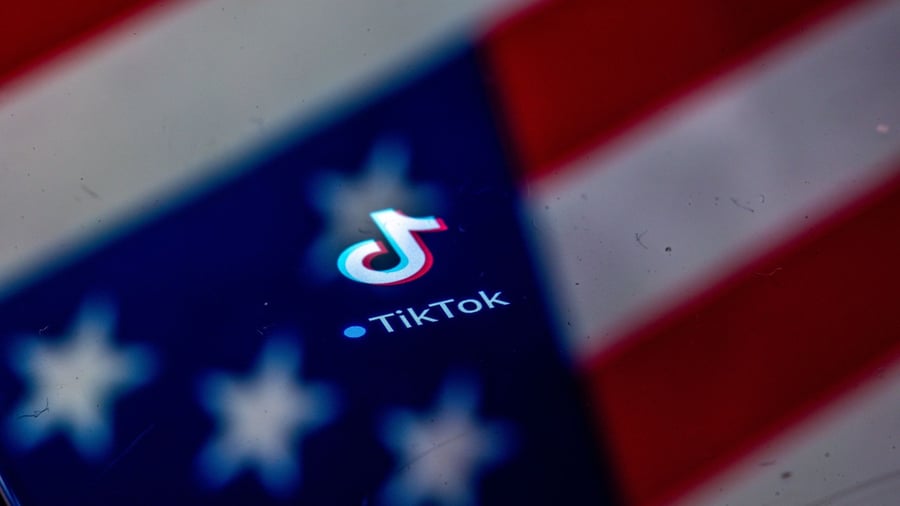
TikTok and its Chinese parent ByteDance have agreed to pay US$400 million to settle a US Justice Department lawsuit accusing the video-sharing app of violating children’s online privacy laws, resolving a major federal case as the platform’s American operations remain under intense political scrutiny. The settlement, announced on Friday, resolves allegations brought by the Justice Department and…
TikTok and its parent company ByteDance have reached a $400 million settlement with the US Justice Department to resolve allegations that the video-sharing app violated children's online privacy laws, bringing a contentious federal case to a close. This agreement concludes a lawsuit initiated in 2024 by the DOJ and the Federal Trade Commission, which alleged that TikTok and ByteDance had collected personal information from children under 13 without obtaining parental consent, in violation of the Children's Online Privacy Protection Act (COPPA).
The settlement involves TikTok paying $300 million upfront and an additional $100 million if a court overturns a 2019 consent decree related to Musical.ly, the predecessor of TikTok. The Justice Department described this settlement as "one of the largest recoveries ever obtained" in a COPPA case. Associate Attorney General Stanley Woodward emphasized the department's commitment to protecting children online and ensuring companies comply with their legal obligations.
The department stated that the settlement ensures American families can enjoy stronger privacy protections without the delays and uncertainties of lengthy legal proceedings. As of now, TikTok has not commented on the settlement.
Written by urgent.news from South China Morning Post's reporting — not their text. Machine-written — may contain errors; check the original before relying on it.
This story
This is one outlet's version. Read the fullest account.