The WNBA Needs to Get It Together
The league’s unprecedented success has come with unprecedented controversy. Something has to change.
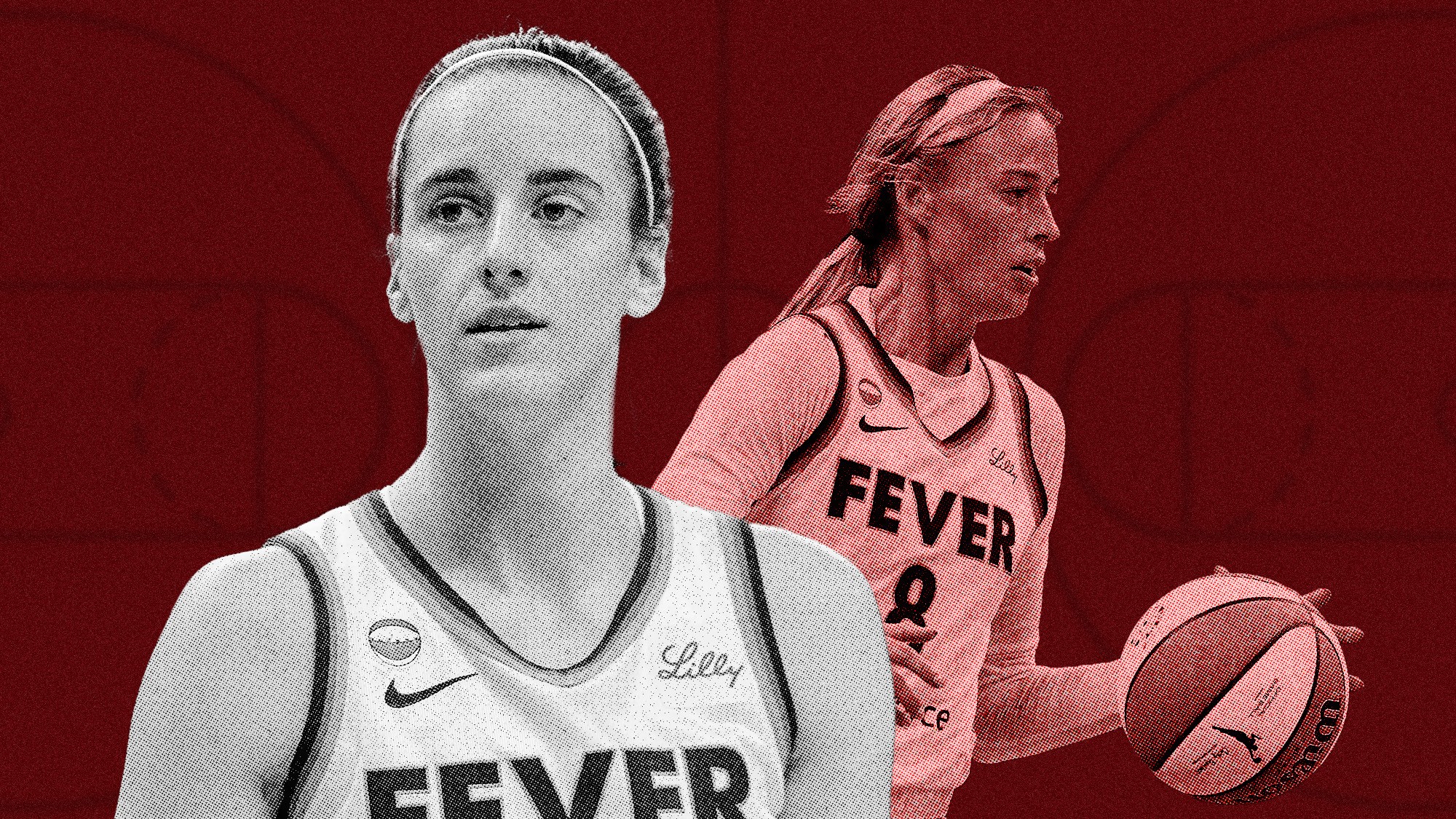
The WNBA has experienced significant growth since 2024, with improved player salaries, increasing franchise valuations, and a surge in ratings for the All-Star Game. Three new teams are set to join the league by 2030. However, this success has been overshadowed by controversy and divisiveness.
In July, a group of Republican lawmakers sent a letter to WNBA Commissioner Cathy Engelbert, demanding accountability for alleged acts of violence against Indiana Fever guard Caitlin Clark, who is white. Engelbert has guided the league to a financially stable era, but the current situation requires careful navigation.
Caitlin Clark's popularity has made her a target for political agendas. Conservatives have used her as a blank slate to promote racial grievances and opposition to trans athletes in women's sports. When teammate Sophie Cunningham expressed concerns about young girls in sports, it sparked rallies and suspension from the Seattle Storm.
The WNBA, which is about 70% Black and 25-35% queer, has historically been a platform for progressive issues. However, its recent struggles have made it attractive for MAGA figures to criticize and exploit for their base. The league's players now face pressure to navigate their public statements carefully, as their actions can attract polarized attention and backlash.
Despite the financial success, the WNBA must carefully manage its reputation and protect its players from the harmful impact of political strife. The league's ability to maintain its popularity and positive image will depend on its ability to steer through the current cultural and political waters.
Written by urgent.news from The Atlantic's reporting — not their text. Machine-written — may contain errors; check the original before relying on it.