The U.S. Is Learning the Wrong Lessons in Iran
Tactical excellence can never salvage strategic incompetence.
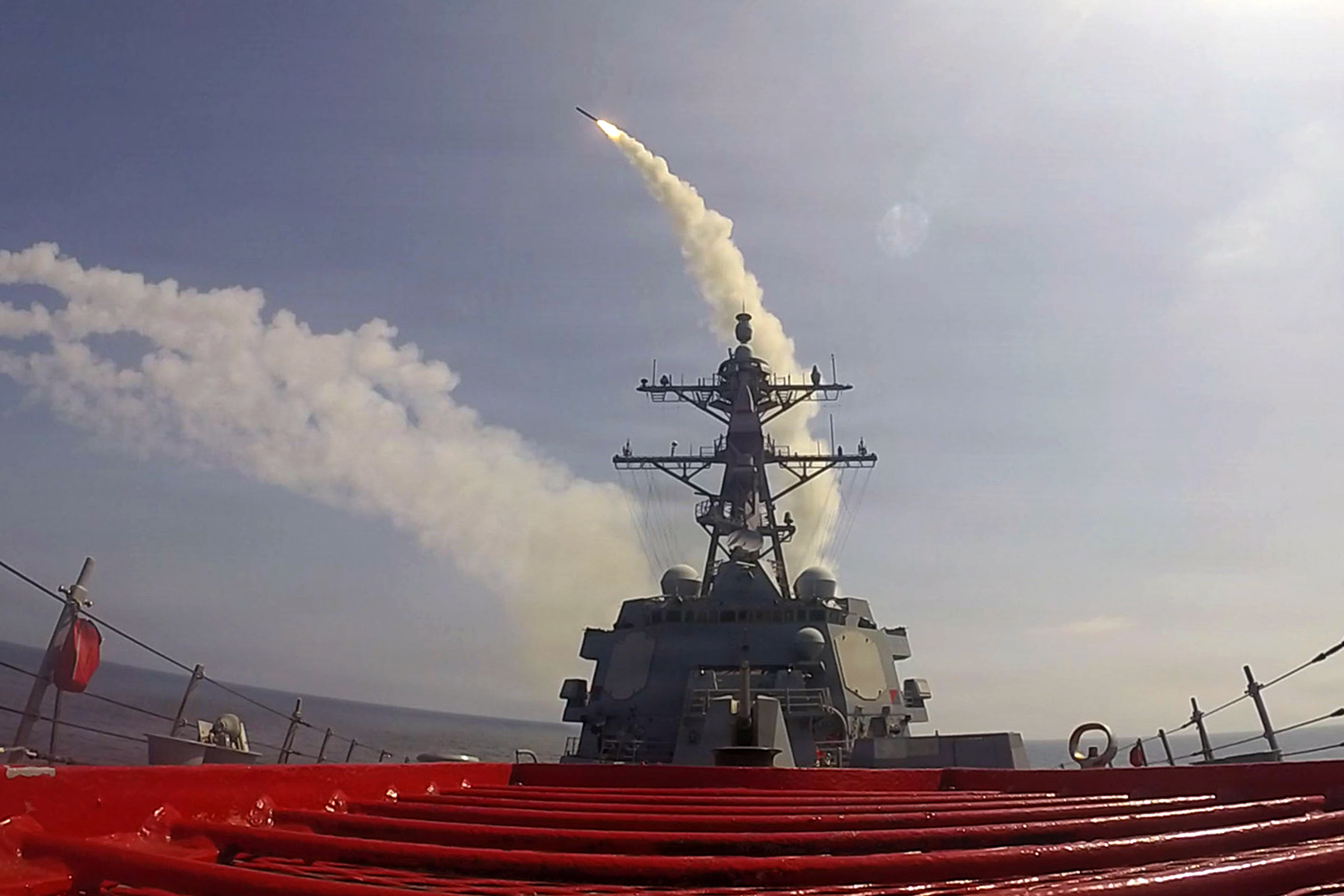
The U.S. has been hastily analyzing the lessons to be learned from its failed military campaign in Iran, despite the conflict remaining unresolved. Analysts are quick to point out the logistical and tactical shortcomings of the operation, such as inadequate preparation for disruptions in oil and fertilizer shipping, insufficient precision munitions, and a lack of effective countermeasures against cheap one-way attack drones.
However, these issues do not appear to have directly caused the administration's failure to achieve its primary objectives of regime change, destroying Iran's long-range strike capability, or significantly altering Iran's policies on nuclear weapons and regional proxies. Even if these concerns had been addressed beforehand, it seems unlikely that they would have altered the outcome.
While increased magazine depth and preparedness for oil shortages might have extended the bombing campaign or heightened economic pressure, it does not guarantee that seven months of bombing or blockade could have achieved what six months thus far have not. The strategic failure leading to Iran's greater freedom to pursue nuclear ambitions and control over the Strait of Hormuz, in turn, increasing its influence over Gulf states, appears to be the most probable outcome of this military misadventure.
Despite the U.S. military's technical prowess, with the capability to project force over 7,000 miles from American soil and swiftly seize control of Iran's skies, the damage inflicted has been strikingly lopsided, with at least 18 U.S. casualties and potentially thousands of Iranian losses. In essence, even with planning and logistical errors, the U.S. military has proven to be remarkably dangerous.
However, this technical excellence cannot compensate for the strategic incompetence demonstrated by demanding that the military achieve the impossible. President Donald Trump has set three seemingly impossible tasks for the military: regime change without ground operations, neutralizing Iran's ballistic missile and drone capacity solely through airpower, and achieving major alterations in Iran's policies toward nuclear weapons and regional proxies. It is clear that demanding the military accomplish these impossible tasks has led to its failure.
Written by urgent.news from Foreign Policy's reporting — not their text. Machine-written — may contain errors; check the original before relying on it.