The trick to getting kids to stop trusting AI: Ask it to draw a map of the world
Kids laughed as Mali was spelled “Mail.” Egypt was identified as “Sopth.” In place of Libya was something simply called “Africa.”
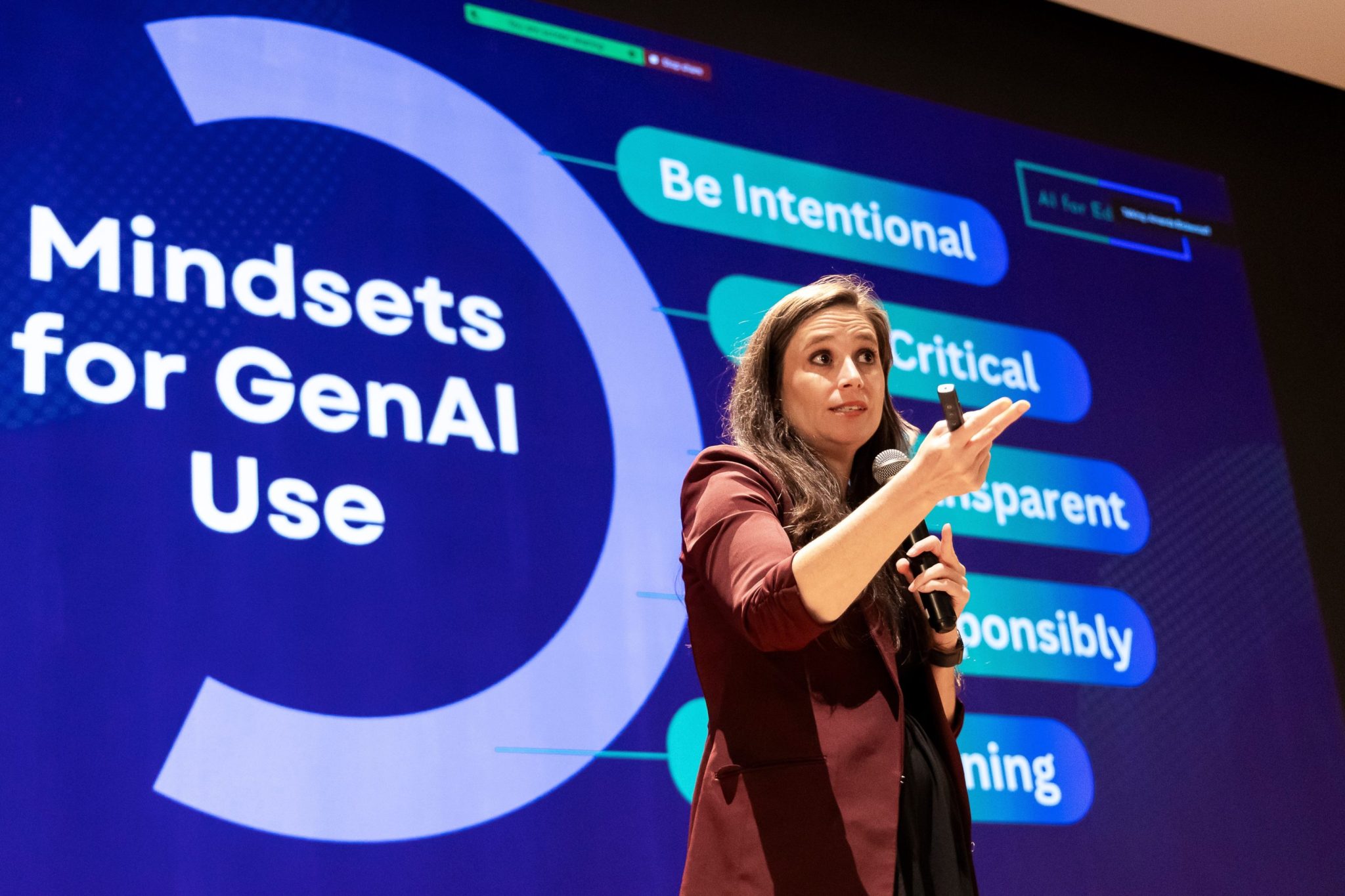
Artificial intelligence chatbots have become a concern for educators as students increasingly rely on them for schoolwork. In Charleston, South Carolina, teachers gathered at a high school auditorium to discuss incorporating AI into the classroom. During the session, an instructor prompted an AI tool to generate a map of the world.
The resulting map displayed numerous mistakes, including misspelled country names and the incorrect identification of certain nations. The instructor, Amanda Bickerstaff, emphasized the importance of teaching students not to trust AI blindly, suggesting a classroom experiment that showcases the tool's limitations.
As school districts across the United States grapple with how to integrate AI into education, a growing consensus is emerging: AI literacy should encompass more than just how to use generative AI and write effective prompts. Rebecca Winthrop, director of the Center for Universal Education at the Brookings Institution, stresses the need for "good AI literacy" which includes knowing when not to use AI. To address this, districts are developing their own AI literacy approaches, adhering to state guidance when available.
In Charleston County School District, a full-year effort has been underway to create a comprehensive AI policy. With the help of AI for Education, a group of educators drafted guidance for the district, which then developed its own policies through student focus groups and teacher input. Recognizing the ubiquity of AI use among students and teachers, who often navigate the technology independently, the district is focusing on training to mitigate potential risks and ensure safe, ethical, and effective use of AI.
The upcoming training for teachers and middle and high school students will include hands-on examples to illustrate AI's inaccuracies, such as fabricated studies and biased information. By emphasizing the importance of verification and analytical skills, educators aim to strike a balance between preparing students for an AI-driven future and preventing over-reliance on chatbots.
Written by urgent.news from Fortune's reporting — not their text. Machine-written — may contain errors; check the original before relying on it.