The Supreme Court’s about to face an entirely new kind of voter discrimination
On Tuesday, a federal appeals court struck down a South Carolina law that permits all voters over age 65 to vote by mail but allows younger voters to do so only if they meet a set of specific criteria. The United States Court of Appeals for the Fourth Circuit’s decision in Grant v. Belangia held […]
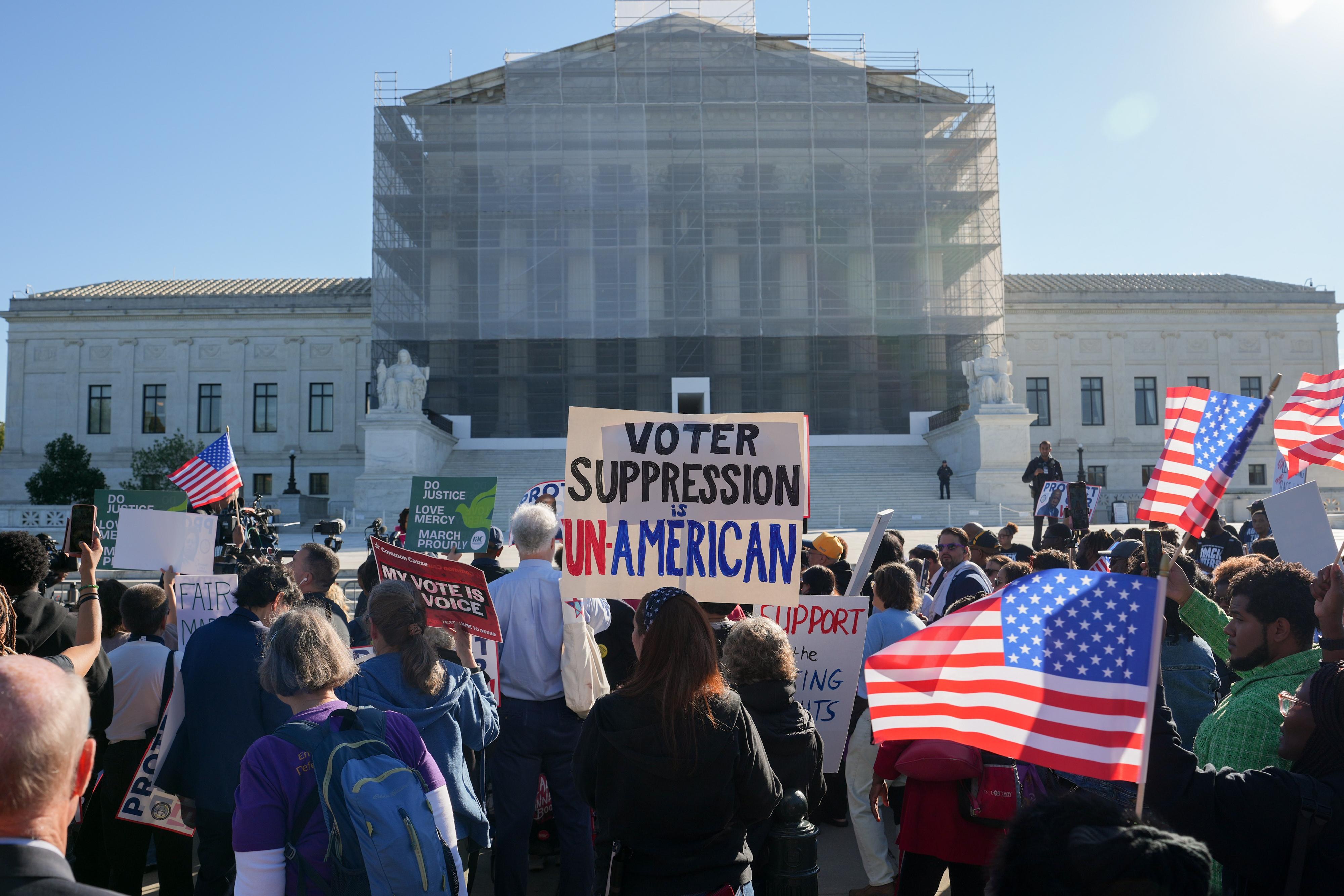
The U.S. Supreme Court may soon confront a novel case of voter discrimination as three federal appeals courts have reached conflicting interpretations of the 26th Amendment. This amendment, ratified in 1971, prohibits the denial or abridgment of the right to vote based on age. The Fourth Circuit's recent ruling in Grant v. Belangia suggests that this prohibition extends to unequal access to voting by mail, meaning states cannot restrict older voters to mail-in voting while requiring younger voters to meet additional criteria.
Conversely, the Fifth and Seventh Circuits disagree with this interpretation. The dispute stems from the pandemic-era lawsuits arguing that younger voters should be allowed to vote by mail to avoid potential health risks and maintain equal access. Democrats are generally more likely to vote by mail, giving any law that facilitates this process a potential partisan advantage.
The Republican Party, aware of this imbalance, has advocated for limiting mail-in voting. The Supreme Court's decision on this matter will likely depend on how it interprets the ambiguous language of the 26th Amendment and the political motivations of the justices, particularly given the party stakes involved.
Written by urgent.news from Vox's reporting — not their text. Machine-written — may contain errors; check the original before relying on it.
Also reported by 1 other outlet
- Supreme Court closes 'The Kerala Story' petitions, says question of law will 'await another movie' timesofindia.indiatimes.com