The silent threat in our porches: Why we need stricter rules for home EV charging — Muhammad Ammirrul Atiqi Mohd Zainuri
AUGUST 21 — The charred remains of a two-storey terrace house in Alam Damai, Cheras, serve as a sobering wake-up c...
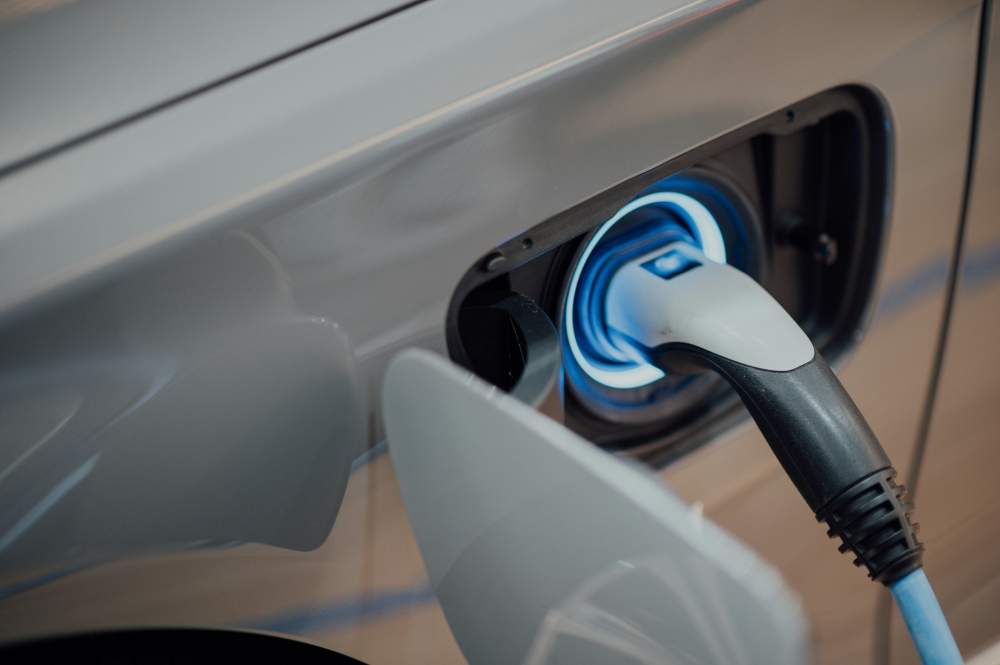
On the fateful Sunday morning of August 21, a two-storey terrace house in Alam Damai, Cheras, was reduced to ashes by a fire sparked from an improperly installed EV charging station on its front porch. The blaze required over twenty firefighters to control, raising alarm about a growing trend of electrical incidents involving hybrid and electric vehicles, particularly in Selangor.
Malaysia's National Energy Transition Roadmap (NETR) goals are accelerating ahead of residential electrical safety regulations, creating a dangerous gap at home charging points. Standard Malaysian homes operate on single-phase 230V supplies, which can safely handle up to ten kilowatts of electricity. However, attaching a high-capacity charger without a formal Maximum Demand load assessment can overload the sub-main wiring.
To comply with safety standards, Malaysian homes must use smart wallboxes with Type 2 or CCS connectors, which include low-voltage communication pins to negotiate safe power flow. The Energy Commission prohibits standard wall sockets, mandating smart charging systems with safety features like the Proximity Pilot and Control Pilot pins.
These smart systems prevent DC leakage faults that evade standard household AC circuit breakers. Furthermore, dedicated circuits with Type B Residual Current Devices are crucial for proper isolation during electrical emergencies. The commissioning process requires registered electrical contractors to provide installation completion certificates, which is especially crucial for multi-unit properties.
Homeowners must ensure their wallboxes carry a legitimate ST-SIRIM Certificate of Approval and avoid uncertified aftermarket cables. Additionally, they should verify a dedicated, properly sized copper cable directly from the breaker to the charger to prevent potential fire hazards. As adoption of EVs continues to rise, stringent enforcement of residential electrical safety becomes paramount to ensure consumer confidence and prevent devastating fires.
Written by urgent.news from Malay Mail's reporting — not their text. Machine-written — may contain errors; check the original before relying on it.