The missing $20,000 EV: Why small, affordable electric cars don’t work on North American roads
Cheap electric cars thrive in Europe and China, but North America’s regulations, roads and obsession with bigger vehicles have left the affordable EV behind.
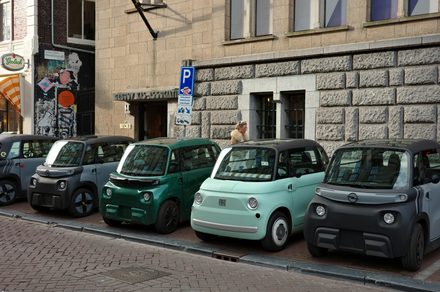
In the past 24 hours, three cars priced under $20,000 entered the Chinese market: Volkswagen, Hyundai, and MG, all sedans, and hatchbacks, which cost less. Turning to Europe, tight historic streets in cities like Paris, Milan, and Amsterdam are filled with electric micro-vehicles, ranging from the $6,600 Citroën Ami to the retro Microlino.
These tiny battery-powered cars navigate traffic easily and fit into narrow parallel parking spaces that larger vehicles can't. The G-Wiz, once considered a "Death Trap," was a popular small electric vehicle but never reached North America. In China, the world's largest car market, cheap electric vehicles dominate the market, with 70% of battery electric cars costing less than the average conventional internal combustion car.
Budget-friendly models like the Geely Geome Xingyuan ($9,700 USD) and BYD Seagull ($10,000 USD) top monthly sales charts, outperforming expensive luxury options. Small cars are now gaining a foothold in European markets, and the US remains an exception. In North America, dealerships offer no inexpensive, sub-$20,000 commuters. The cheapest new electric vehicle starts at $30,000, and the average EV transaction price remains above $30,000.
The cheapest small EV available in North America is the Chevrolet Bolt, starting at around $29,900. The reason North American drivers can't buy a simple, inexpensive electric city car is due to strict regulatory classification, a historical culture built on cheap fuel, and escalating physical safety concerns on American highways.
Regulatory differences between Europe and the US prevent these small EVs from entering the North American market. In Europe, lightweight urban commuters have their own regulatory framework, with "quadricycles" capped at 28-56 mph and subject to simpler safety standards. Meanwhile, the US National Highway Traffic Safety Administration maintains a rigid rulebook, forcing four-wheeled vehicles into either full-sized highway automobile standards or 25 mph Low-Speed Vehicles.
To adapt overseas micro-cars to North American standards, manufacturers would need to add heavy structural components, driving the price up to $25,000 or $30,000. In the past, low fuel taxes in the US encouraged larger, heavier vehicles, shaping infrastructure around wide roads and large parking lots. This landscape makes a 28 mph city pod slow and ineffective in daily suburban life.
Written by urgent.news from Digital Trends's reporting — not their text. Machine-written — may contain errors; check the original before relying on it.