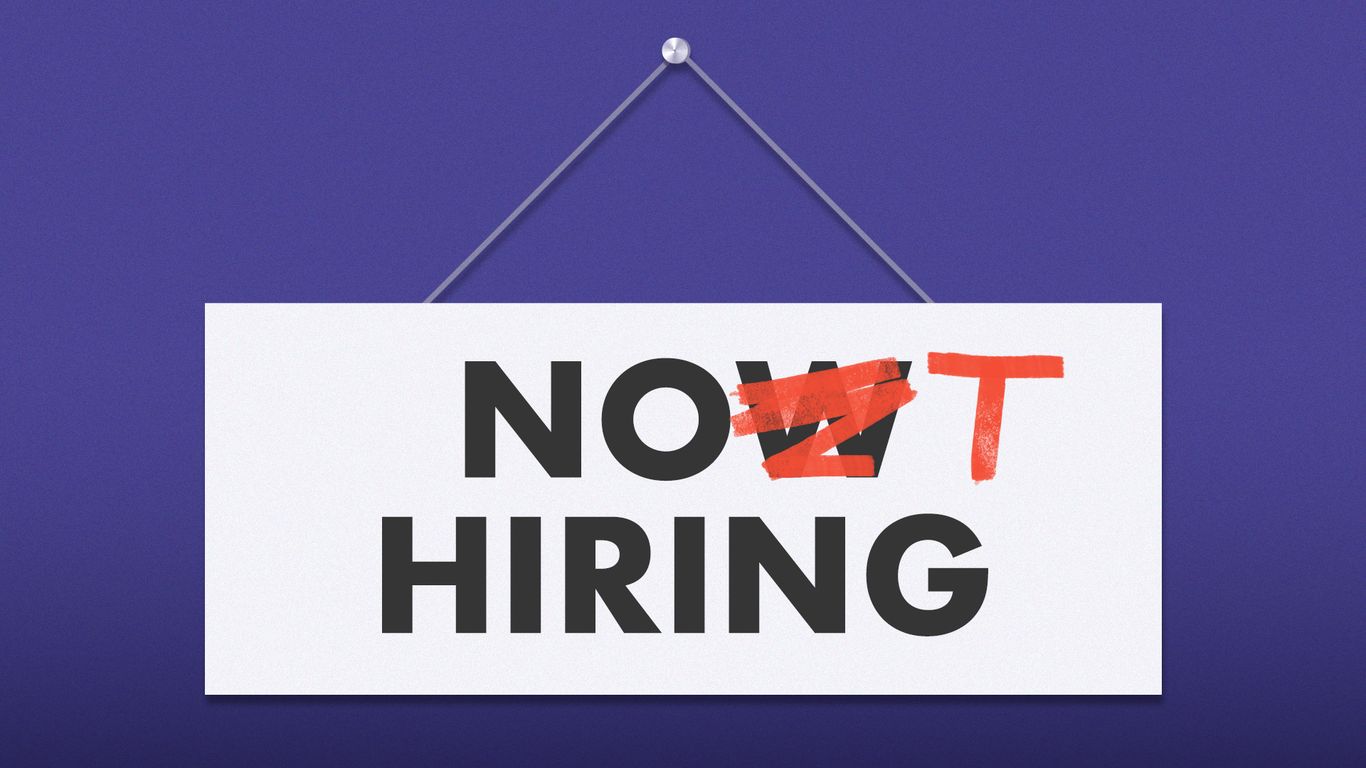
The job application got faster. The job search got worse.
Job hunting in 2026 can mean chatting with a robot, getting rejected by AI, encountering ghost jobs and competing with a flood of applicants. Why it matters: This isn't just candidates venting on LinkedIn or TikTok . The hiring process is increasingly taking longer and application apathy could be eroding trust in America's job market . What they're saying: "I think burnout is absolutely…
Job hunting in 2026 is becoming more robotic, with candidates facing AI rejections and ghost jobs. This trend is eroding trust in America's job market. A Harvard career advisor notes candidates assume every posting is fake and rejections are automated, leading to systemic cynicism. The process has also become 25% slower, with 291 applications per hire, up from roughly 100 in early 2021.
Nearly 63% of U.S. applicants have been interviewed by AI, and 38% have walked away from a job due to an AI interview. However, AI-powered filters can lead to discrimination lawsuits. Meanwhile, 46% of candidates report decreased faith in the hiring process. Only 21% of recruiters are confident their systems don't weed out qualified candidates.
Some jobs are "ghost jobs" posted to build applicant pools or signal growth, while others result from changing business needs or empty managerial roles. Despite some managers believing AI improves candidate quality, the process has become noisy, leaving candidates questioning their long-term prospects.
Written by urgent.news from Axios's reporting — not their text. Machine-written — may contain errors; check the original before relying on it.