The Indian honeycomb: Ghewar’s place in our sweet tradition
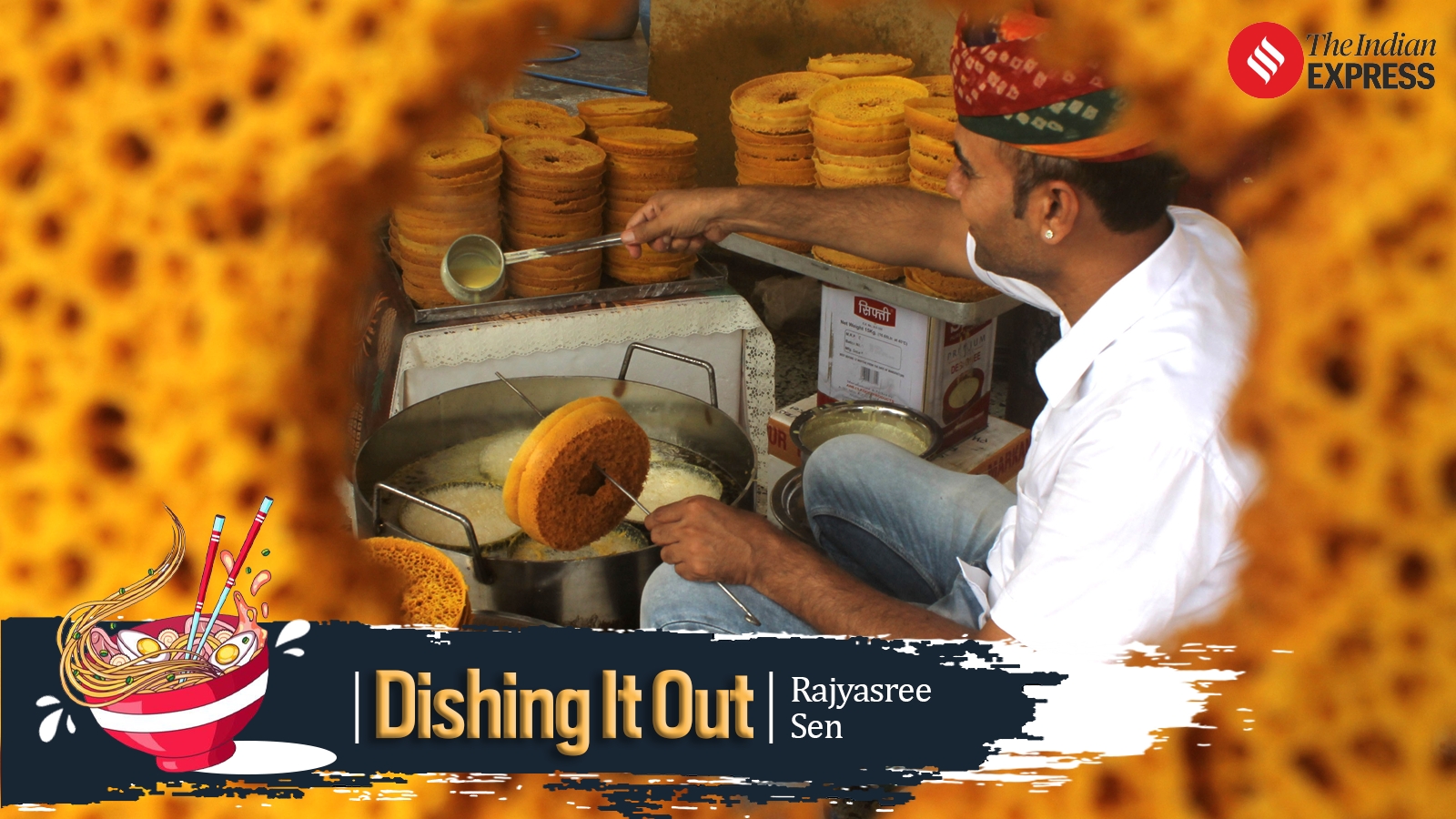
On MasterChef Australia, contestant Depinder Chhibber presented "Indian honeycomb," known as ghewar, to the judges. Ghewar, a round, flat, perforated sweet dish adorned with saffron, dried fruits, and silver varak, is a staple in North Indian sweet shops. Made from wheat flour and soaked in sugar syrup, it differs from a honeycomb due to its deep-frying method.
Chhibber described the dish as "beautiful, crispy, crunchy, but very tricky to make," requiring hot oil and chilled batter for its distinctive honeycomb texture. Ghewar is particularly popular in Rajasthan during festival seasons, often gifted on Teej, Raksha Bandhan, and to newly married girls. While its exact origin remains unverified, some theorize it may have Persian origins, introduced to Lucknow by Wajid Ali Shah after his defeat in Jaipur.
Interestingly, ghewar sales surge in the monsoon due to increased humidity, aiding the fermentation process and enhancing its texture. Despite personal reservations, trying ghewar is recommended for its unique indulgence, especially for those who appreciate sweet treats.
Written by urgent.news from The Indian Express's reporting — not their text. Machine-written — may contain errors; check the original before relying on it.
Also reported by 1 other outlet
- The Indian honeycomb: Ghewar’s place in our sweet tradition indianexpress.com