The Hidden Infrastructure Tax of Running Autonomous Agents 24/7
Learn how to run autonomous AI agents reliably 24/7 by comparing laptops, unmanaged VPSs, and managed runtimes, with a practical look at agent infrastructure.
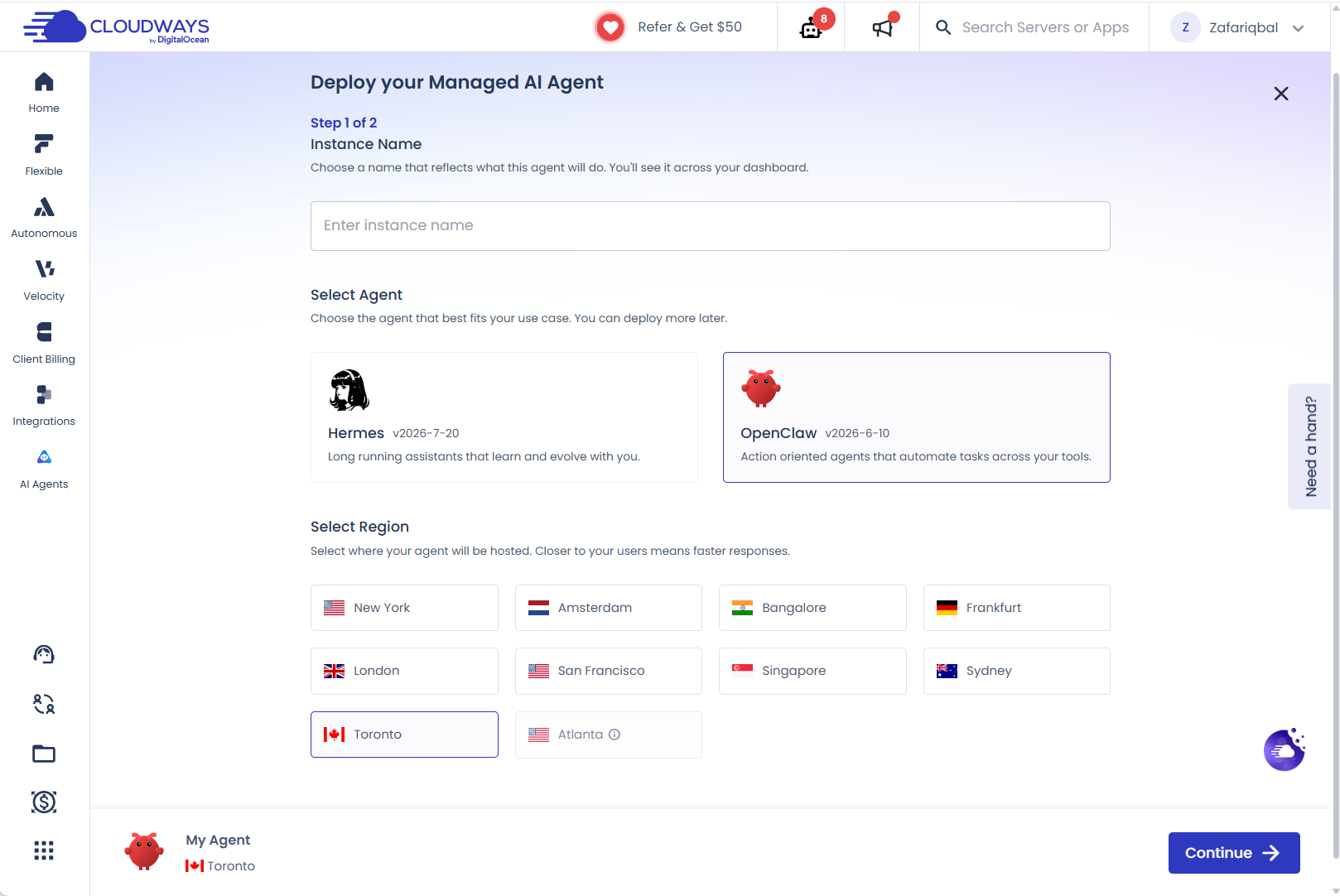
Running autonomous agents 24/7 often comes with a hidden infrastructure tax that can silently sabotage your efforts. An agent that functions perfectly on your laptop or while you monitor it closely is a different beast when left unattended for weeks. The gap between the two is not just a few lines of code, but an entire missing layer of infrastructure management.
This missing layer is commonly overlooked, leading to problems that surface weeks later. The infrastructure layer includes power and network stability, disk persistence, process supervision, and recovery capabilities in case the underlying server goes down. Unlike the model or framework problems that show up immediately in your output or logs, infrastructure issues often go unnoticed until it's too late.
There are three primary options for running autonomous agents continuously: a laptop, an unmanaged VPS, or a managed runtime. Each option comes with trade-offs. A laptop offers zero uptime guarantees, exposes your personal environment, and is prone to being turned off by sleep settings. An unmanaged VPS gives you full control but requires extensive DevOps setup, including SSH hardening, key management, firewall rules, SSL certificate provisioning, and monitoring.
The managed runtime, the middle ground, provides a dedicated, isolated server with provisioning and patching handled by the provider. Despite the additional setup effort, the managed runtime offers a balance between control and ease of use, making it the preferred choice for many teams operating autonomous agents at scale.
Written by urgent.news from HackerNoon's reporting — not their text. Machine-written — may contain errors; check the original before relying on it.