The future of SA's big metros is in women's hands
As we celebrate Women’s Day 2026, the writer reflects on the legacy of the 1956 march and explores how women are poised to lead South Africa's largest cities. Are we ready to give women leaders a mandate?
On 9 August 1956, an estimated 20,000 women gathered in Tshwane, marching to the Union Buildings without seeking governmental permission. Lilian Ngoyi, Helen Joseph, Rahima Moosa, and Sophia Williams-De Bruyn spearheaded the demonstration, rallying behind the rallying cry, "You strike a woman, you strike a rock." The march, commemorated on Women's Day in 2026, underscored the significance of women's leadership and the demands it continues to bring forth.
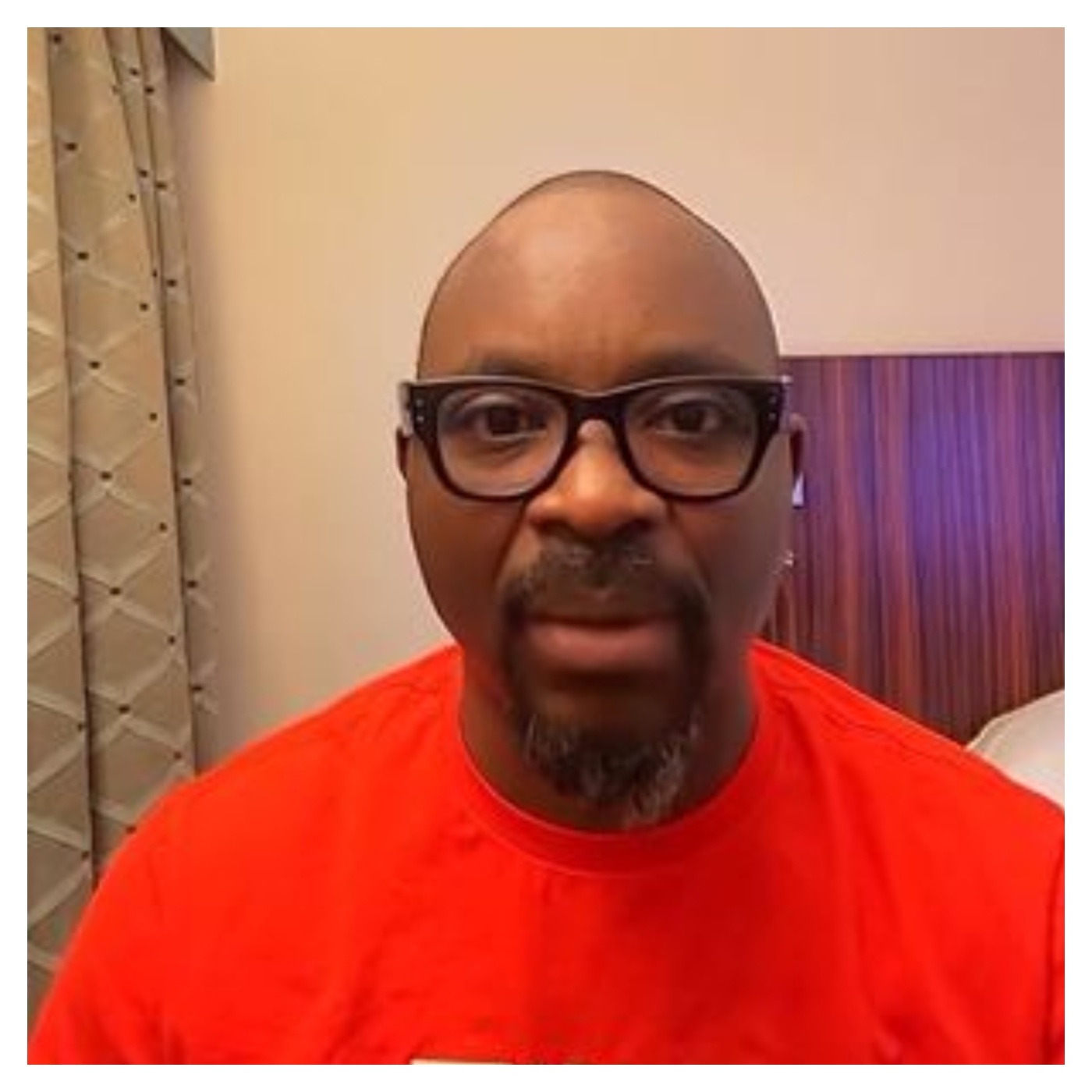
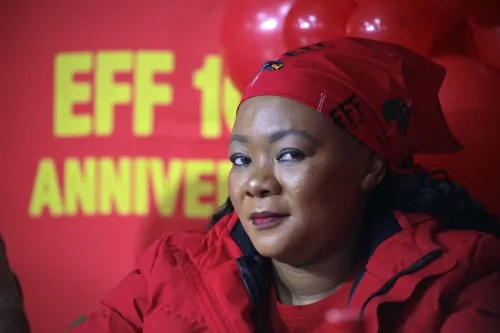
The Economic Freedom Fighters (EFF) has prioritized women in its campaign for governance of South Africa's largest metropolitan municipalities. Dr. Tlaleng Mofokeng is their candidate for Executive Mayor of Johannesburg, while Nthabiseng Tshivhenga and a third woman candidate represent Ekurhuleni and Tshwane respectively. If the EFF secures a mandate, Johannesburg, Ekurhuleni, and Tshwane—municipalities with budgets in the tens of billions of rand—may be led by women from the same political movement. This signifies the EFF's confidence in women's capability to govern effectively.
Women constitute half of the EFF's officials, over half of its Central Command Team, more than two-thirds of its Parliamentary Caucus, and more than 90% of its Whip team. Their impact is evident in their roles, such as MMC of Health in Tshwane who championed the opening of 24-hour clinics, and a Commissioner in Ekurhuleni who spearheaded significant water infrastructure projects like the Northmead Water Tower, the largest of its kind in the Southern Hemisphere. In Mogale City, a Councillor made headlines for her leadership in advancing municipal performance.
Despite these achievements, significant gaps remain. South African women comprise 51.5% of the population yet are underrepresented in business, government leadership, politics, and sports. The HSRC's 2022 National GBV Study revealed that over 35% of women aged 18 and above have faced some form of physical or sexual violence in their lifetime, often perpetrated by intimate partners. This issue intersects economic freedom, as economic independence is a crucial factor in protecting women from abuse.
The legacy of 1956 extends beyond remembrance; it demands action. The killings of Monica Dube, a movement organizer, highlight the real-life implications of gender-based violence. Solutions must go beyond rhetoric and include stringent enforcement of the Domestic Violence Act, accountability for repeat offenders, permanent shelters with adequate funding, and accountability in educational institutions for learner abuse.
Thuthuzela Care Centres, while crucial for crisis support, are insufficient substitutes for long-term safety solutions.
Municipal decisions on services such as water, electricity, healthcare, housing, and safety are directly linked to women's well-being. Ensuring women's meaningful participation in decision-making processes regarding resource allocation and governance is paramount. The EFF continues to advocate for the insourcing of female workers, like cleaners and security guards, to secure benefits like medical aid, pension funds, and a living wage.
Education for girls, including addressing period poverty and ensuring access to rural and peri-urban areas, is also pivotal.
Ultimately, the lesson from 1956 is clear: women must not be relegated to symbolic positions but must be empowered to contest, govern, and be evaluated based on their outcomes. The message for young women in Soshanguve, Mamelodi, Atteridgeville, Ga-Rankuwa, Winterveldt, Mabopane, Eersterust, and Hammanskraal is that leadership is not a privilege for others but a right and responsibility they can claim.
Women's leadership in Soshanguve, Mamelodi, Atteridgeville, Ga-Rankuwa, Winterveldt, Mabopane, Eersterust, and Hammanskraal is not just a continuation of the past but an imperative for the present and future.
Written by urgent.news from IOL's reporting — not their text. Machine-written — may contain errors; check the original before relying on it.