Tankers stack up as Venezuela sells oil faster than its ports can handle
Venezuela's dilapidated oil port terminals are imposing a de facto export cap on the country's resurgent crude production, with tankers having to wait up to 30 days to load because of ageing infrastructure, power outages and quality issues, according to shipping data, sources and documents.
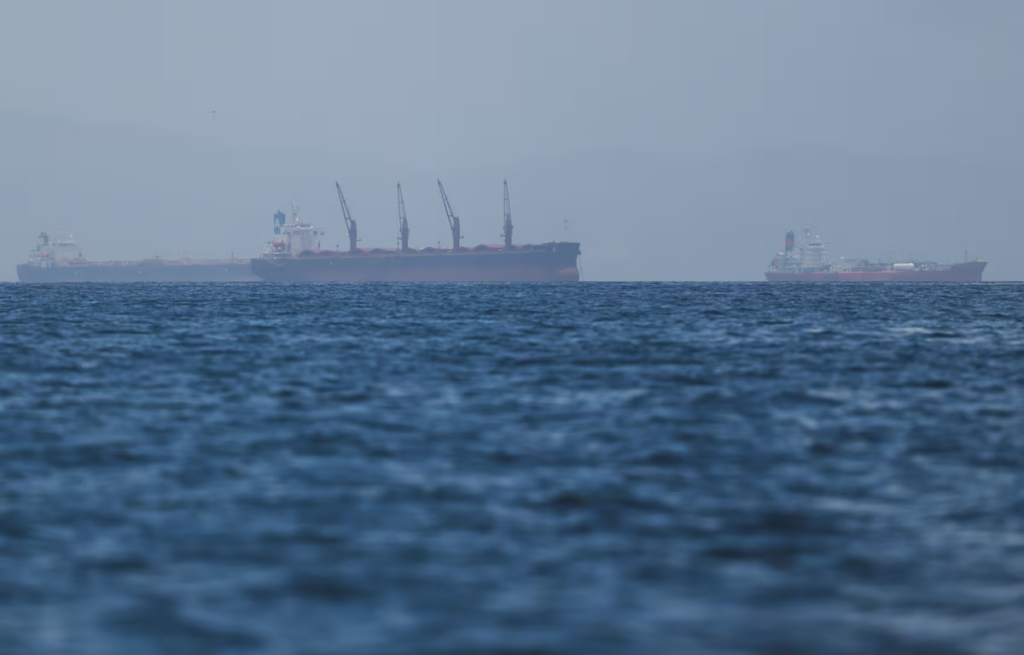
Venezuela's outdated oil port terminals are causing a bottleneck in the country's booming crude production, forcing tankers to wait up to 30 days for loading due to aging infrastructure, power outages, and quality issues, according to shipping data and sources. This is impeding a U.S. plan to rapidly increase Venezuela's oil exports following a major agreement with global trading houses.
As many partners of state energy firm PDVSA prepare to independently market their share of output under new contract terms, the dispute over infrastructure is likely to worsen. The last time Venezuela's oil customers faced such lengthy delays was during a U.S.-imposed naval blockade last year, which contributed to President Nicolas Maduro's ouster.
Despite interim leader Delcy Rodriguez adhering to Washington's plan to revive oil exports, PDVSA and its partners have only managed to achieve around 1.25 million barrels per day of exports, despite a peak of over 3 million barrels per day in the late 1990s. The slow loading process is leading to disputes over demurrage, crude quality, and ship contamination, with PDVSA and its partners unable to surpass the 1.25 million barrel daily export mark, despite higher crude output and high global demand.
The delays are evident in the numerous tankers waiting to load at Venezuela's anchorages, with the Jose port near the northeastern coast handling about 70% of the country's total exports.
Written by urgent.news from MyJoyOnline Ghana's reporting — not their text. Machine-written — may contain errors; check the original before relying on it.