SE Fruits and Vegetables IPO: fresh produce sector needs institutional capital, says CFO
SE Fruits and Vegetables, a Punjab-based exporter of mangoes, citrus and potatoes, is preparing to become the first fresh fruit and vegetable company to list on the Pakistan Stock Exchange (PSX), a milestone its Chief Financial Officer (CFO) says could open the door to institutional capital for a sector that has long relied on informal financing. “This is a landmark because this sector has been…
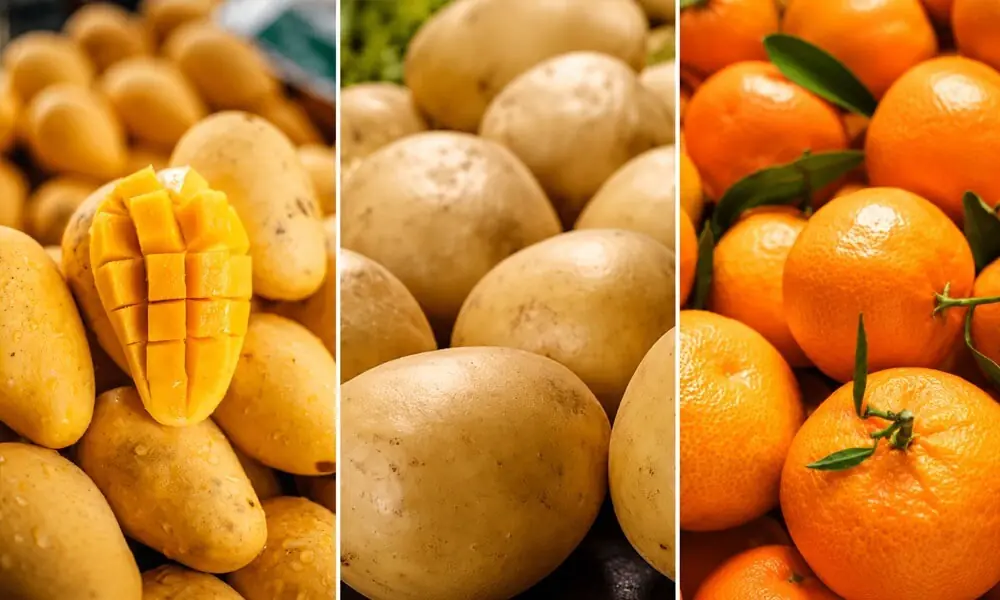
SE Fruits and Vegetables, a Punjab-based mango, citrus, and potato exporter, is set to become the first fresh fruit and vegetable company to list on the Pakistan Stock Exchange (PSX), according to the company's CFO, Rai Omar. The IPO, planned for the following month, aims to raise approximately Rs1.9 billion, which is intended to bolster working capital rather than pay off debt.
The majority of proceeds will be allocated to advance payments to farmers and credit sales, while a smaller portion will be used to establish subsidiaries in the UAE and Uzbekistan.
Omar emphasized that the fresh produce sector has historically been undercapitalized and inadequately supported by traditional banking institutions. He further explained that the company's entry is expected to enhance the sector's global and local recognition. Despite its modest size, SE Fruits and Vegetables has identified 23 potential export markets, primarily in the Gulf, Iraq, Central Asia, parts of the Far East, and Europe.
The company currently serves only 13% of the demand in these countries, with the remaining share going to waste due to subpar post-harvest handling and inadequate cold storage facilities. Around $2.7-3 billion worth of agricultural produce is lost each year.
Omar anticipates that over the next five years, the company will increase its revenue by seven to ten times, reaching between Rs15bn and Rs20bn. He also expects Pakistan's fruit and vegetable exports to recover to $700 million and subsequently grow by an additional 30% within the next two years, despite the current decline caused by conflict in the Middle East and the closure of the Afghan border.
Written by urgent.news from Business Recorder's reporting — not their text. Machine-written — may contain errors; check the original before relying on it.