SDF integration into Syrian state marks milestone but key tensions unresolved, experts say
The full integration of the Kurdish-led Syrian Democratic Forces (SDF) into Syria’s state institutions represents a significant step for Damascus but Kurdish aspirations for meaningful autonomy remain unresolved, experts told The National on Friday. Kurdish leader Mazloum Abdi announced on Thursday from the city of Qamishli that the integration of the Kurdish administration into Syria’s state…
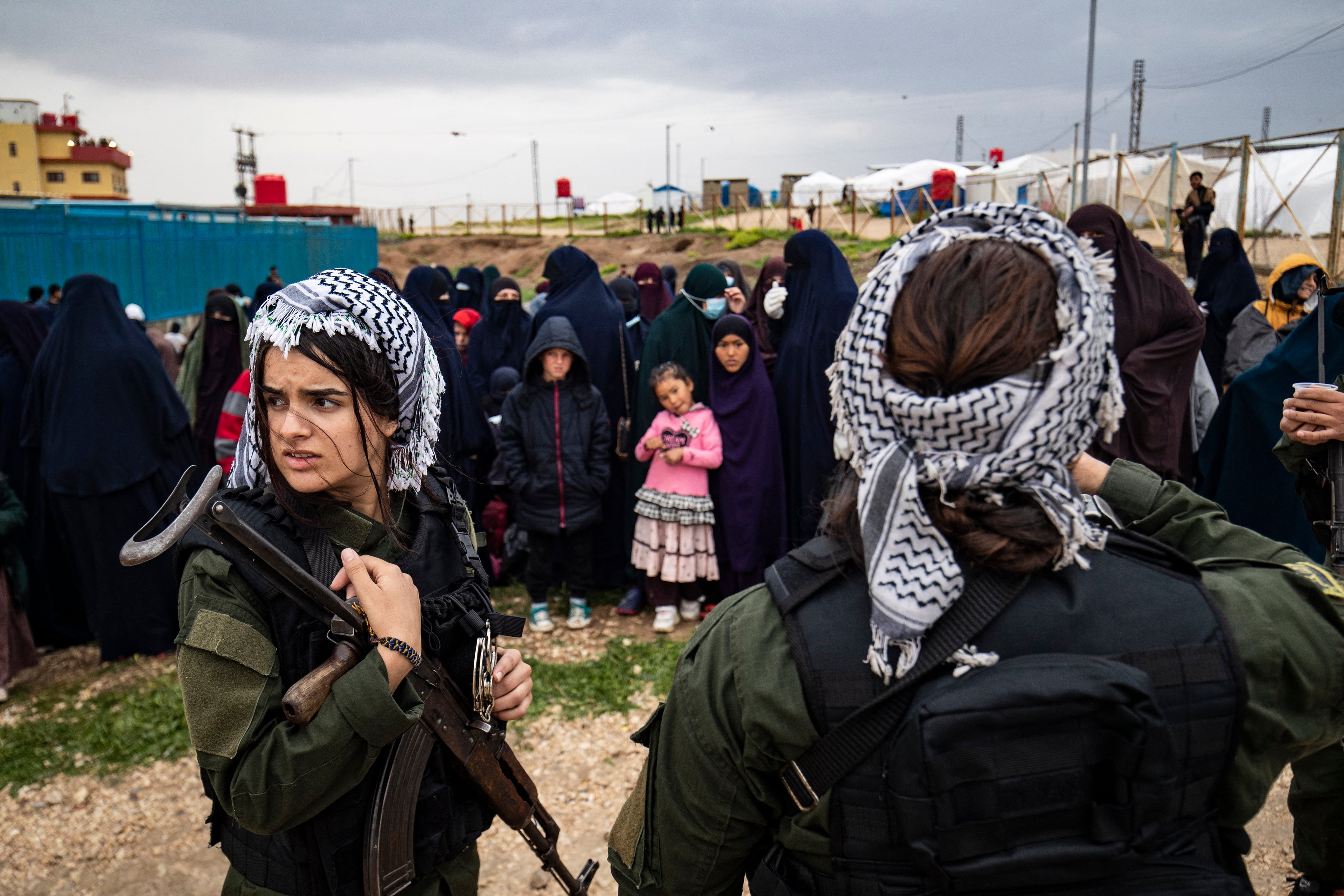
The integration of the Kurdish-led Syrian Democratic Forces (SDF) into Syria's state institutions marks a significant milestone for Damascus, according to experts, but key tensions surrounding Kurdish aspirations for autonomy remain unresolved. Kurdish leader Mazloum Abdi announced the completion of the integration process, stating that the military, security, and administrative institutions have been fully incorporated into the state structures.
The move, which came into effect after an agreement reached between Damascus and the SDF in January, saw tens of thousands of SDF personnel become employees of Syrian government ministries. The integration was facilitated by an agreement mediated by Washington, Paris, and endorsed by Ankara, aimed at ending hostilities between Kurdish forces and the new Syrian authorities while offering linguistic, cultural, and political rights, as well as political representation.
President Ahmad Al Shara issued a decree in January offering concessions, including recognizing Nowruz as a national holiday, granting Kurdish language rights in education, and conferring Syrian nationality to previously stateless Kurds. Experts note that while the full integration is an important achievement in consolidating state authority post-conflict, Kurdish aspirations for meaningful autonomy still remain unfulfilled.
Experts emphasize that while President Al Shara has taken steps to recognize Kurdish rights that surpass any previous government, these measures have yet to be embedded in Syria's constitution, leaving the struggle for self-rule at the municipal level rather than provincial. The relations between Damascus and Kurdish groups are expected to remain complicated, with both sides needing to address mutual mistrust.
The integration has raised concerns among advocates of women's rights, as Kurdish fighters, known for their women's units, have faced pushback from the government. The Kurdish-led administration previously governed much of northeastern Syria during the war against ISIS, with US backing as the group's main ally from 2011 to 2024.
However, American support for the group diminished as it established ties with Damascus following the fall of the Assad regime in December 2024.
Written by urgent.news from The National UAE's reporting — not their text. Machine-written — may contain errors; check the original before relying on it.