SC faces crucial test of authority
Government has also gained a greater role in appointing judges to the superior courts
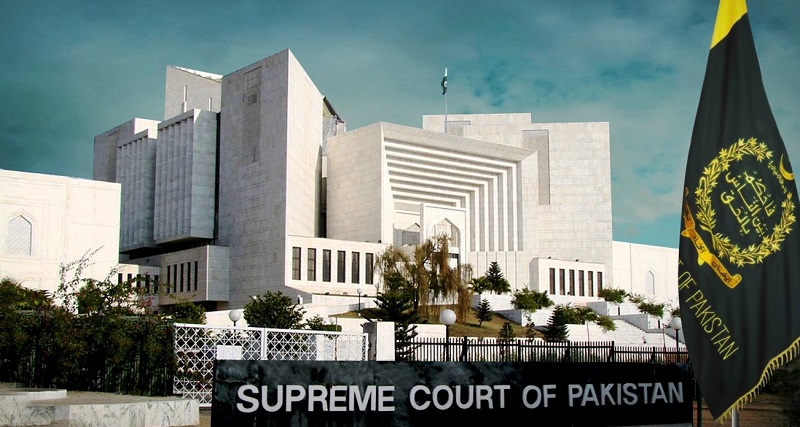
As the federal government's adherence to orders concerning former Prime Minister Imran Khan's transfer to a private hospital remains uncertain, the Supreme Court finds itself at the center of a critical examination of its authority. Chief Justice of Pakistan Yahya Afridi recently issued a contempt notice to Khan for allegedly disregarding the court's directive on the PTI long march.
The SC's position has been further complicated by the recent 27th Constitutional Amendment, which established the Federal Constitutional Court (FCC) with the power to summon pending cases involving constitutional interpretation. Lawyers argue that the judiciary has faced increased constraints in recent years, particularly in judge appointments and its relationship with the executive.
The government has also gained more influence in appointing judges to superior courts, leading to controversies surrounding judge transfers and seniority. While the government remains confident in its ability to handle the situation, the PTI has vowed to file a contempt petition against the government for its failure to comply with the court's order.
The outcome of this test of authority will significantly impact the institutional relationship between the Supreme Court and the Federal Constitutional Court, as well as the SC's capacity to enforce its orders.
Written by urgent.news from The Express Tribune - Pakistan's reporting — not their text. Machine-written — may contain errors; check the original before relying on it.