Risk of Pancreatic Cysts Becoming Cancer Grows as Worrisome Traits Increase
(MedPage Today) -- An accumulation of worrisome or high-risk traits in pancreatic cysts increased the likelihood of a subsequent pancreatic cancer diagnosis, a prospective single-center study of more than 200 patients showed. During almost 3 years...
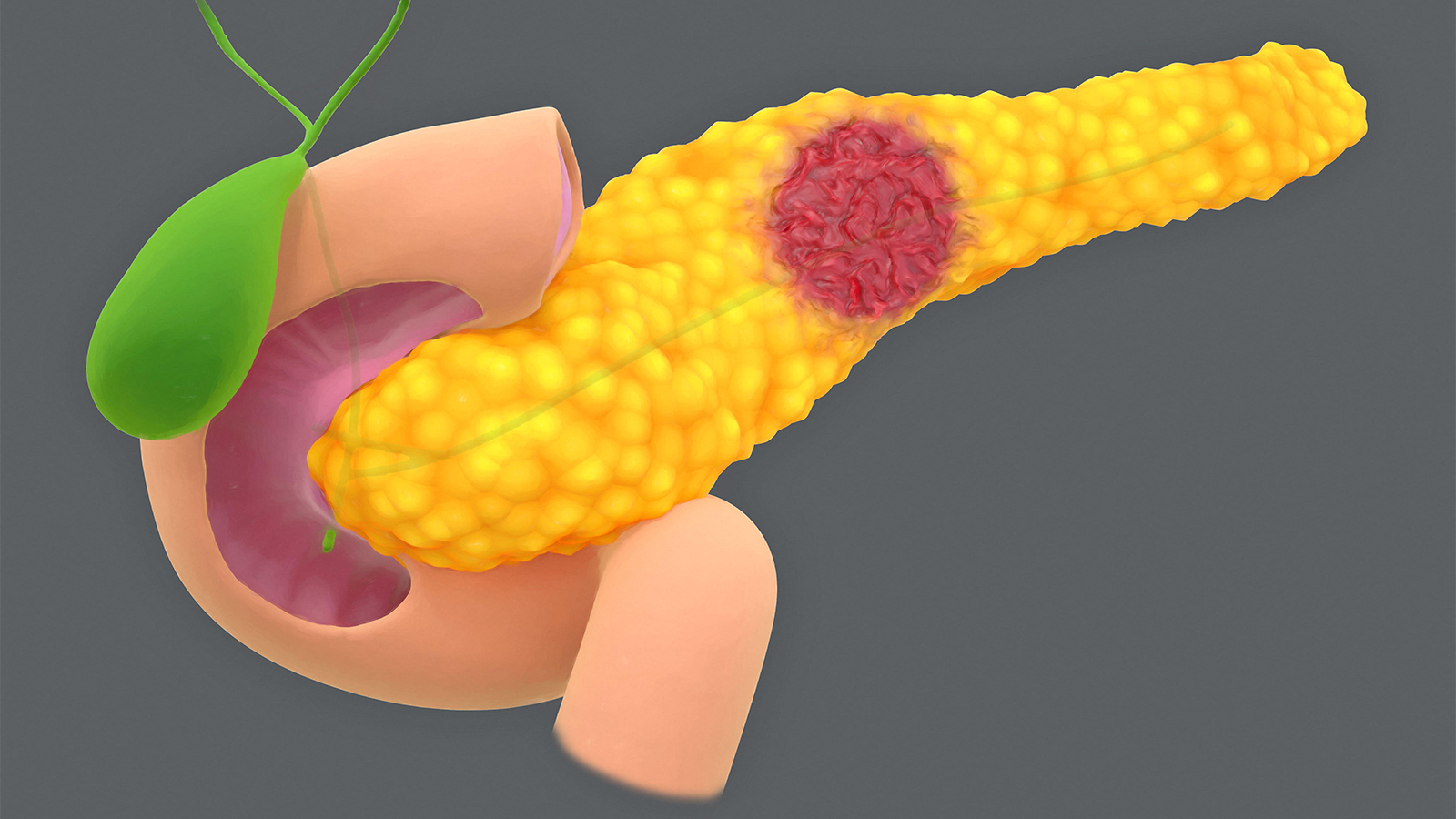
A new study reveals that the presence of multiple worrisome traits in pancreatic cysts significantly raises the risk of developing pancreatic cancer. Conducted by a team of researchers at the Mayo Clinic, the prospective single-center study followed over 200 patients for nearly three years. The findings showed that a single worrisome or high-risk feature was linked to a 2% risk of pancreatic cancer or advanced precancerous conditions. This risk rose to nearly 20% for patients with three or more concerning traits.
Of the 185 patients with concerning features, worrisome traits were far more prevalent, occurring in 90% of cases. The overall risk of pancreatic cancer was low, with an overall survival rate of 95% during the study period, which limited the identification of specific risk factors associated with the highest risk. However, the study's authors suggest that the accumulation of multiple concerning traits could inform future trials and help guide early detection strategies.
Pancreatic cancer is the third leading cause of cancer-related deaths in the United States and could become the second leading cause by 2030. Many cases are diagnosed at an advanced stage due to the asymptomatic nature of the disease. Pancreatic cysts are relatively common, occurring in up to 18% of the population, and some may progress to cancer. While surgical resection of high-grade dysplasia and early pancreatic cancers can improve outcomes, early detection remains a challenge.
The researchers identified a dozen different traits associated with pancreatic cysts, most of which were considered worrisome. They enrolled 230 patients, of whom 32 required surgery within three months. The remaining 198 patients entered clinical surveillance, 93.4% of whom had worrisome features and 6.6% with high-risk cysts. Subsequent surgery revealed one case of intraductal papillary mucinous neoplasia (IPMN) with high-grade dysplasia and two cases of stage IA IPMN-derived pancreatic cancers.
The study's lead author, Dr. Shounak Majumder, emphasized that the accumulation of worrisome traits seems to be the key factor in determining the risk of pancreatic cancer. He noted that multiple worrisome features significantly increase the risk compared to a single feature. Majumder also highlighted the need for further research to better understand the specific aspects of worrisome traits that contribute to this increased risk.
Additionally, longer-term follow-up of these patients is crucial to validate the findings and refine early detection strategies.
Written by urgent.news from MedPage Today's reporting — not their text. Machine-written — may contain errors; check the original before relying on it.