Rising CO2 Speeds the Growth of Grasses on the African Savanna
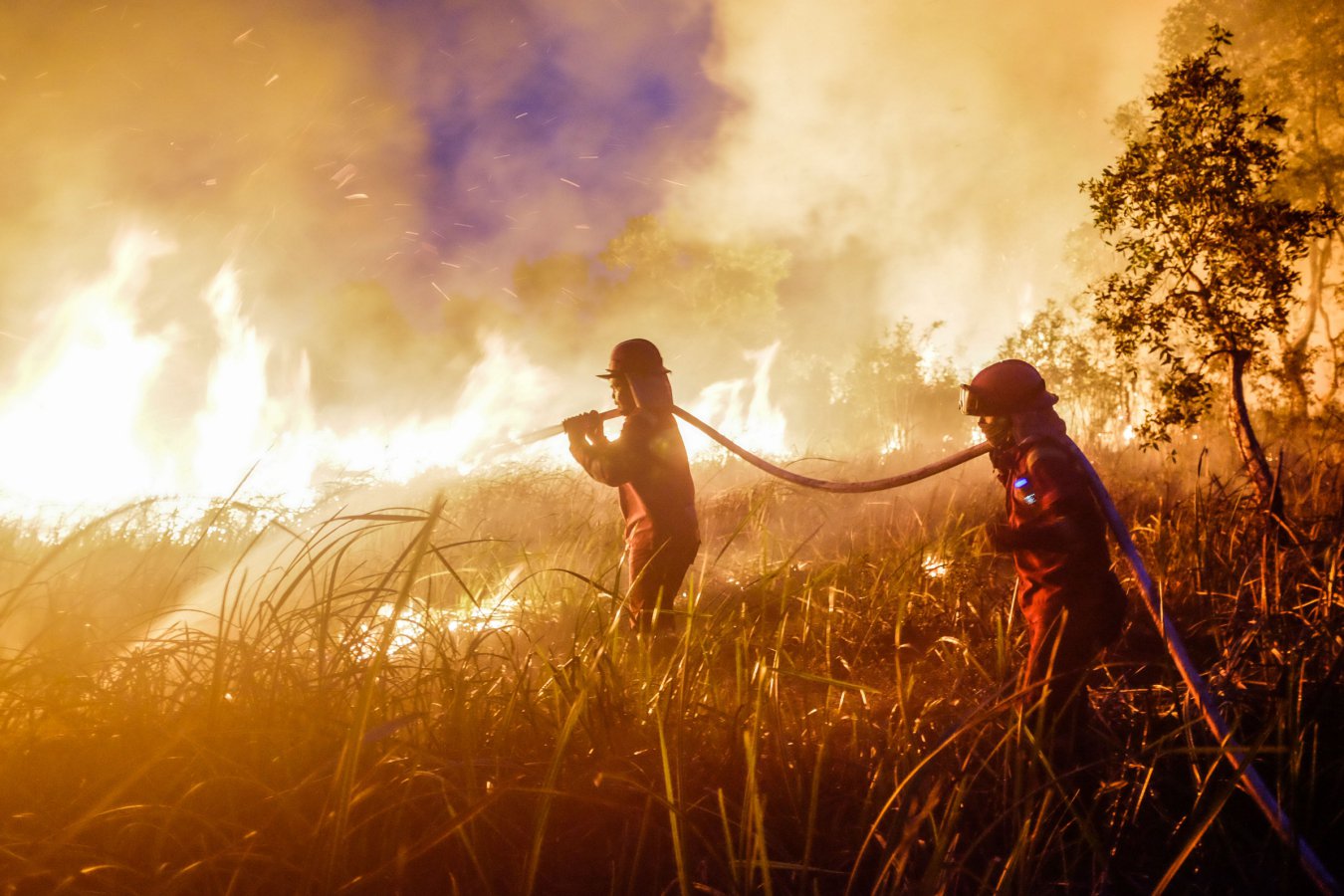
On the arid African savanna, grasses are growing faster than they were a generation ago, boosted by rising levels of carbon dioxide from the burning of fossil fuels. That is the finding of a new study that warns that faster growth could fuel larger wildfires and alter the distribution of wildlife. Read more on E360 →
In the arid African savanna, grasses are growing faster than they were a generation ago due to rising carbon dioxide levels from fossil fuel burning, a new study reveals. This phenomenon, called "carbon fertilization," has been observed in forests, but its effects on grasses in the savanna were previously assumed to be minimal. However, researchers analyzing three decades of data from Kruger National Park in South Africa have found that grass production has increased by 28 percent since 1989, a trend that cannot be attributed to changes in rainfall, temperature, grazing, fire, or other factors.
The extra carbon dioxide is allowing grasses to use water more efficiently, aiding their growth even during dry periods. Despite the benefits, the rapid growth of savanna grasses poses new risks. More grass means greater fuel for wildfires, and more forage could lead to an increase in grazing animals. Moreover, there is uncertainty about whether the additional carbon absorbed by the grasses will remain stored or be released back into the atmosphere if consumed by animals or burned in fires.
Lead author Kimberley Simpson, an ecologist at the University of Sheffield, emphasizes that the broader impact depends on where the excess grass ends up.
Written by urgent.news from Yale Environment 360's reporting — not their text. Machine-written — may contain errors; check the original before relying on it.
This story
This is one outlet's version. Read the fullest account.