Researchers are closer than ever to an AI-guided device to treat memory loss
In the late 1990s, a young Michael Kahana—then developing computer models of human memory—was invited to Harvard Medical School by a neurosurgeon friend to give grand rounds to the neurosurgery and neurology faculty. Afterward, he toured the ninth floor of Boston Children's Hospital.

In the late 1990s, Michael Kahana visited Harvard Medical School to give a lecture on computer models of human memory. During his visit, he toured Boston Children's Hospital and witnessed patients with drug-resistant epilepsy being monitored through implanted electrodes. This experience laid the foundation for Kahana's decades-long pursuit to predict memory performance and develop a device to enhance memory.
In 2023, the FDA granted a breakthrough device designation to the Smart Neurostimulation System (SNS), an implantable therapy created by Kahana and colleagues at Nia Therapeutics. This designation, reserved for technologies addressing serious conditions, qualifies the device for priority review. The SNS is the first device to receive this designation for memory loss related to traumatic brain injury (TBI).
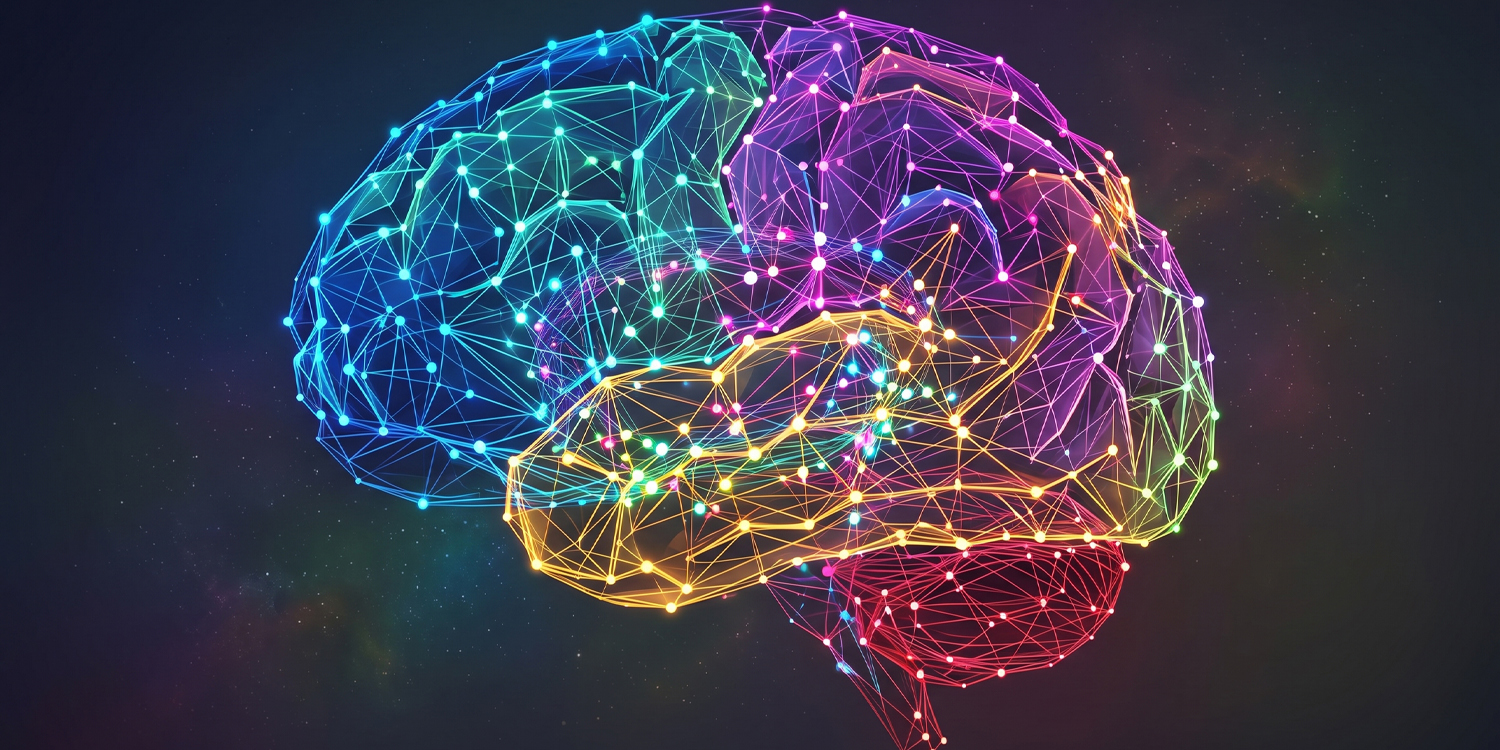
Utilizing artificial intelligence, the SNS analyzes patterns of brain activity to deliver bursts of stimulation during predicted memory lapses. This closed-loop technology has shown promising results in clinical trials, with improvements of 19% in TBI patients and 28% in epilepsy patients. The device, which combines therapy and data collection, could revolutionize the understanding and treatment of memory loss, potentially benefiting millions of Americans affected by this condition.
Written by urgent.news from Medical Xpress's reporting — not their text. Machine-written — may contain errors; check the original before relying on it.