Republicans say let them eat overpriced burgers, turning on Trump for ‘flooding the market with foreign beef’
“You don’t put America first by putting U.S. cattle producers last,” U.S. Cattlemen's Association President Justin Tupper said.
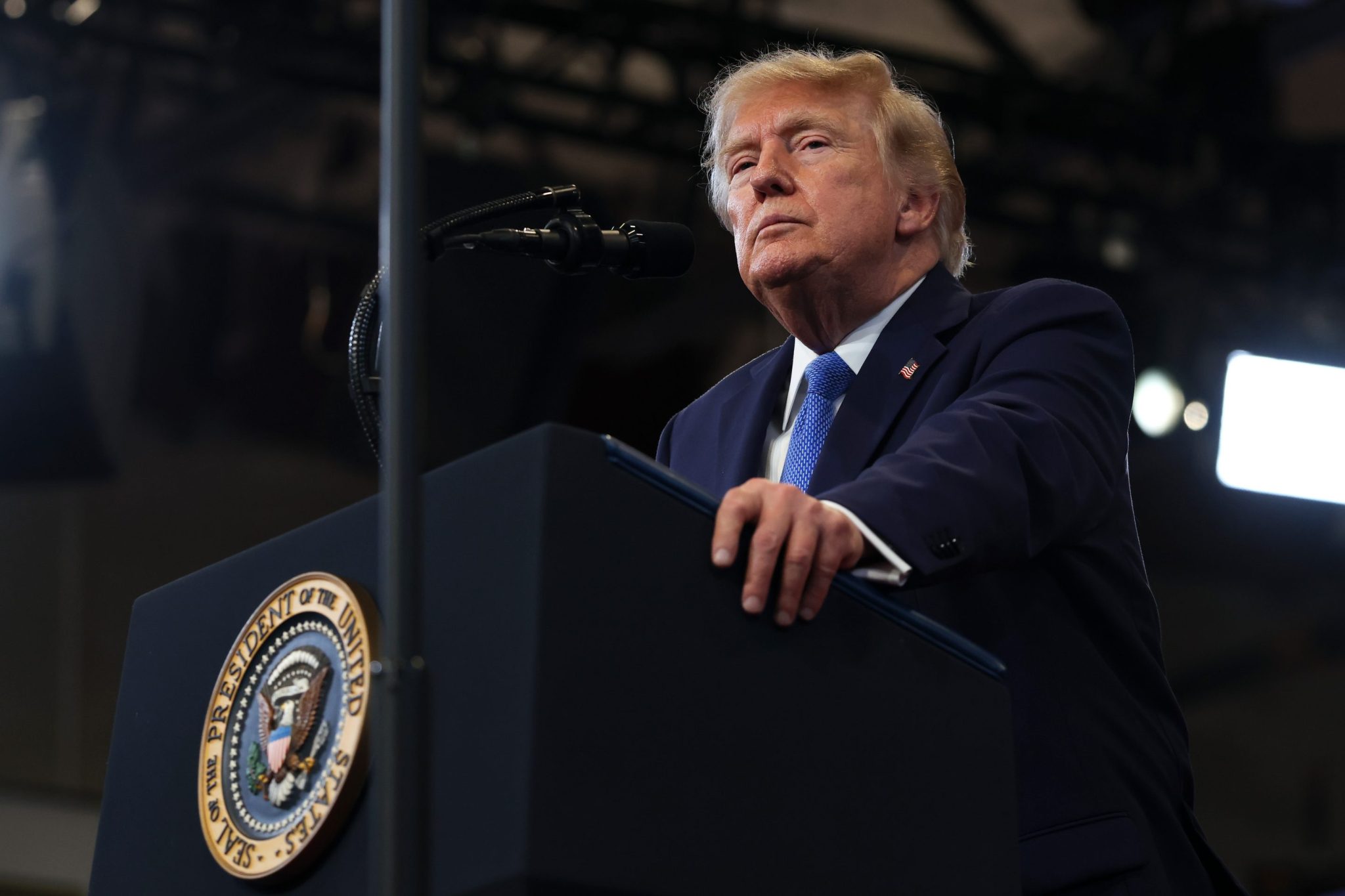
President Donald Trump's administration announced plans to temporarily allow more beef imports into the United States without triggering higher tariffs, sparking criticism from cattle producers and conservative rural-state Republicans. Beef prices have been soaring due to a declining number of U.S. cattle, consistent demand, and restrictions on cattle from Mexico facing a parasitic pest.
Trump has imposed a 50% tariff on Brazil, another major beef exporter, as he remains under pressure to lower costs and address affordability before the November midterms. However, ranchers, who have been some of Trump's strongest supporters, are optimistic about profitable years ahead and fear that cheap beef imports could lower cattle prices and hinder efforts to increase herd sizes.
Senator Deb Fischer, a Republican from Nebraska, said flooding the market with foreign beef would harm the livestock industry and undermine the long-term goal of growing the U.S. cattle herd. Senator Tim Sheehy of Montana expressed concern that the move would hurt ranching families who feed the nation. Senator Pete Ricketts of Nebraska acknowledged the administration's focus on grocery prices but emphasized that short-term policy shifts do not equate to long-term solutions.
The deal permits up to 300,000 metric tons of ground beef to be imported into the U.S. for the next 90 days, exempting it from an "out of quota" tariff. Trump claimed he committed to selling the imported beef at 25% below the current market rate, making it cheaper for American consumers. The White House stated that the deal is with foreign beef exporters who have agreed to the discount.
Critics argue that the move weakens U.S. markets and poses food safety risks. Some experts are skeptical about the practicality of redirecting such a large quantity of beef in a short period, estimating the 300,000 metric tons as only around 3% of annual U.S. beef consumption.
Written by urgent.news from Fortune's reporting — not their text. Machine-written — may contain errors; check the original before relying on it.