Recycling food waste has a huge climate upside and a surprising downside.
A study of American composting and biogas schemes finds a climate win is shadowed by a microplastics problem. The clue is what food is wrapped in.
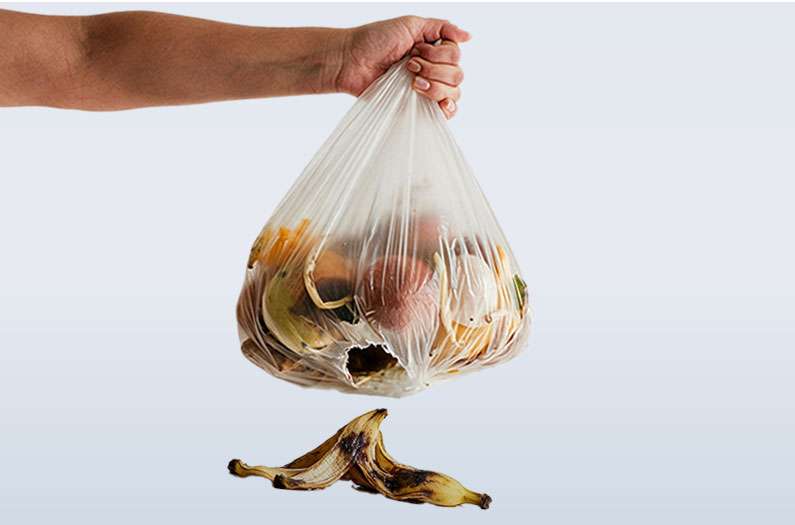
A new study from Nature Food reveals that recycling food waste in the United States could drastically reduce its climate impact while also presenting a surprising downside – plastic pollution. If all food waste were converted into biogas and compost, it would nearly eliminate its climate burden, cutting emissions by 89 to 99%. This process would also significantly lower nitrogen and phosphorus pollution, by 49 to 54% and 78 to 98% respectively, compared to landfilling food waste.
However, the process would result in an increase of 20,000 tons of plastic pollution annually, as food waste and anaerobic digestion byproducts are incorporated into the soil as compost. This plastic pollution is a result of food packaging, which is difficult to completely remove during waste sorting. The researchers suggest that better packaging design, specifically using biodegradable materials, could decrease the accumulation rate of plastic in agricultural soils by up to 99%.
Nonetheless, addressing the root cause of plastic pollution, such as reducing single-use packaging and questioning its necessity, may require a more comprehensive, global approach.
Written by urgent.news from Anthropocene Magazine's reporting — not their text. Machine-written — may contain errors; check the original before relying on it.