Quote of the day by Hannah Arendt: ‘The most radical revolutionary will become a conservative the day after the…'
Hannah Arendt's words highlight the tendency of rebels to become conservative once they achieve power. This shift from radical opposition to cautious defence illustrates that the burden of responsibility can transform a leader's priorities and actions.
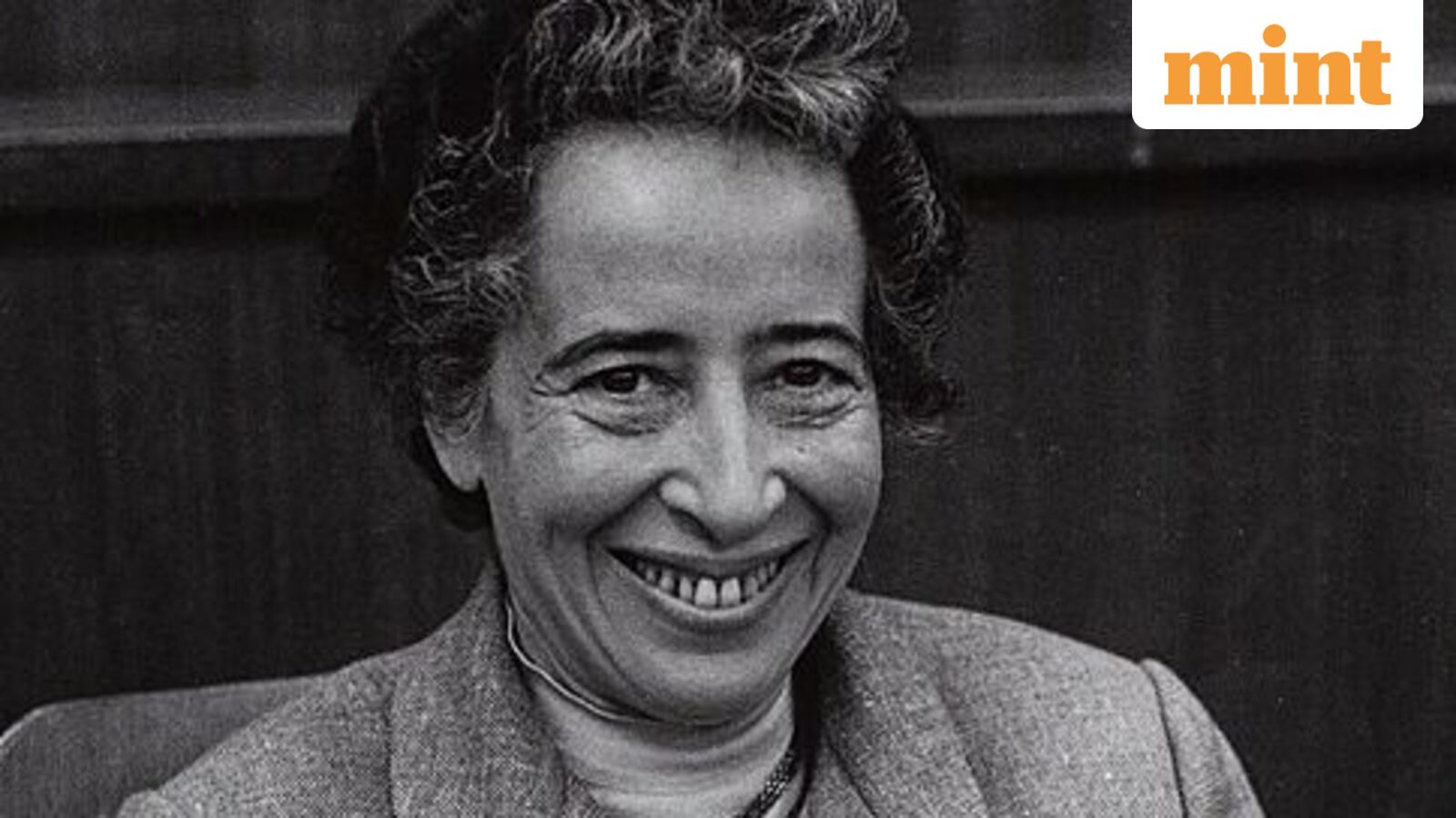
Hannah Arendt, the renowned political theorist, once remarked that "the most radical revolutionary will become a conservative the day after the revolution." This quote, found in her essay "Civil Disobedience" published in the New Yorker on September 12, 1970, and later included in her book "Crises of the Republic," highlights a phenomenon that occurs across various movements, institutions, and even personal lives.
Arendt observed that those who fight hardest to dismantle an existing order often become its staunchest defenders once they gain power. This transformation, she suggests, is not necessarily a sign of hypocrisy, but rather a natural shift in responsibility. The revolutionary, who has nothing to lose by tearing down the old order, can afford to be radical and radical alone. However, once in power, the burden of maintaining and protecting the new order weighs heavily on them, causing them to become conservative.
The quote also underscores the broader truth that power tends to corrupt. The act of overthrowing an order is relatively easy, but the responsibility that comes with holding power is immense. This shift explains why a person who once fought for change can later become a defender of the very system they once sought to destroy.
Arendt's observation extends beyond politics and applies to various domains, including business and society. A disruptive startup that successfully disrupts a market often becomes an incumbent, defending the market it once sought to change. Similarly, a board member who starts protecting the institution they once sought to reform may not notice the shift, attributing it to responsibility rather than hypocrisy.
Ultimately, Arendt reminds us that it is crucial to judge people by what they defend, not just what they attack. The moment someone wins, their relationship with change quietly reverses. The reformer who becomes the guardian of the new order rarely notices the transformation, as it is often a natural consequence of taking on responsibility.
This realization encourages us to look beyond the initial opposition and consider the true cost of what we demand, as the person who understands this cost is often the one who becomes the guardian of the new order.
Written by urgent.news from Live Mint's reporting — not their text. Machine-written — may contain errors; check the original before relying on it.