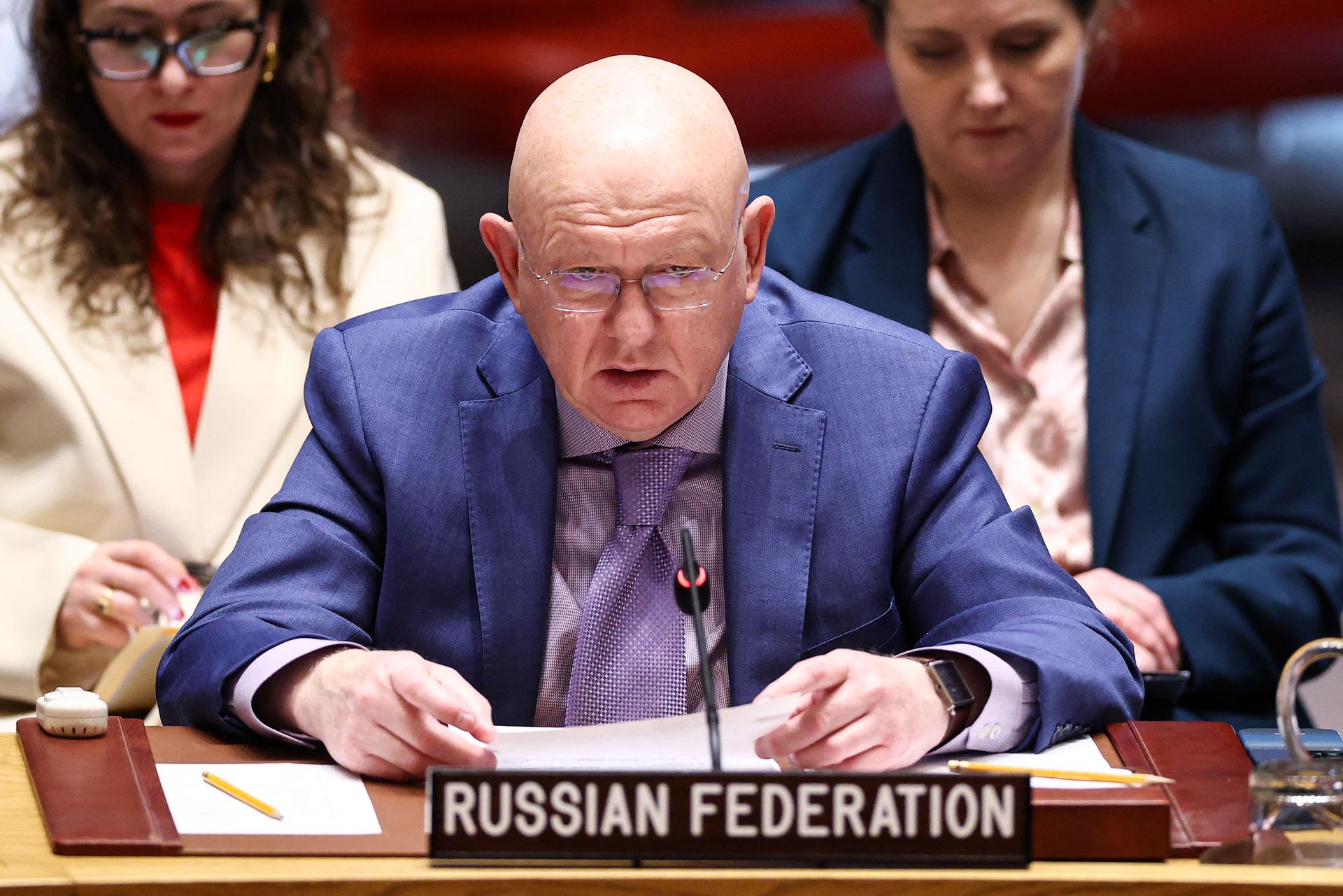
Philippine flood-control scandal resurfaces after latest monsoon deluge
The latest floods to hit Metro Manila and parts of the Philippines’ main island of Luzon have turned a familiar seasonal disaster into a renewed test of political accountability for President Ferdinand Marcos Jnr, as anger over allegedly corrupt flood-control projects returns to the centre of public debate. Analysts said the deluge had sharpened scrutiny of the slow-moving investigation into…
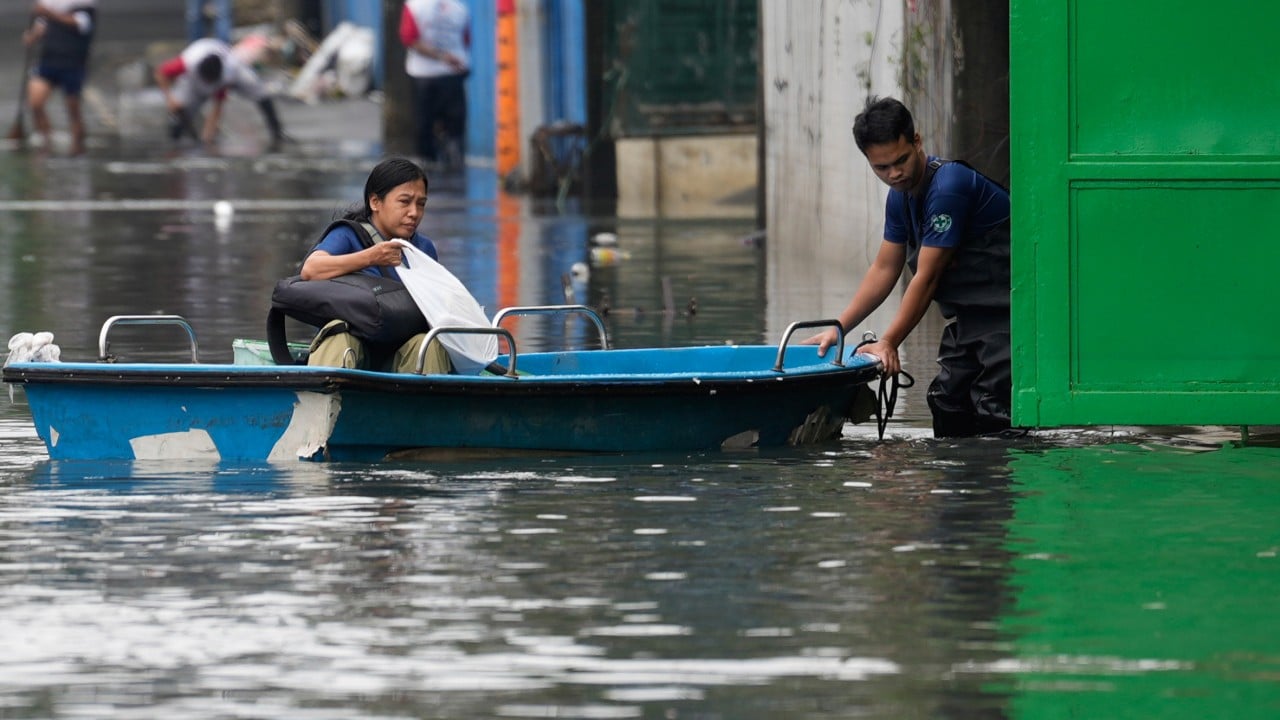
The latest monsoon deluge in Metro Manila and parts of Luzon, the Philippines' main island, has reignited debates over political accountability for President Ferdinand Marcos Jr. The recent 201.7 mm of rain in just five hours left residents wading through floodwaters, vehicles stranded, and some areas submerged that typically aren't considered flood-prone. Outside the capital, villages across Luzon also experienced severe flooding, forcing thousands of families from their homes.
Senator Panfilo Lacson questioned why communities continue to be submerged year after year, despite nearly 2 trillion pesos being poured into flood-control projects since 2011. He argued that only 1.939 trillion pesos funded the DPWH (Department of Public Works and Highways) flood control management program under three presidents from 2011 to 2025, yet uncontrolled floods persisted.
The flooding has brought renewed attention to the investigation into alleged corrupt flood-control projects. Marcos announced the detention and charging of errant high-ranking officials of the DPWH, contractors, and lawmakers during his state of the nation address in late July. However, observers noted that progress in holding people accountable and getting answers has been too slow relative to the scale of the issue.
Assistant professors Nathaniel Candelaria and Arjan Aguirre from the University of the Philippines Diliman and Ateneo de Manila University, respectively, expressed concerns over the slow pace of the investigations. They questioned whether the probes were being pursued independently or could be politicized, particularly if perceived as targeting political detractors or pressuring lawmakers.
Aguirre emphasized that the credibility of the probe would depend on its ability to demonstrate consistent accountability, regardless of political affiliation.
Written by urgent.news from South China Morning Post's reporting — not their text. Machine-written — may contain errors; check the original before relying on it.