Personalized pricing is “abhorrent,” but FTC limits may increase costs, critics say
Some Americans fear the FTC may be thinking about personalized pricing all wrong.
Critics have voiced concerns that the Federal Trade Commission's (FTC) efforts to restrict personalized pricing may inadvertently lead to higher costs for consumers, rather than the intended outcome of safeguarding them. The FTC does not have the authority to outright ban personalized pricing, which involves businesses utilizing a customer's personal data to establish the maximum price they are willing to pay.
However, the agency contends it can impose limits on the practice, encompassing possible penalties for businesses that fail to disclose when customers are charged more due to data indicating they won't resist the price. In a request for public comment on a proposed policy statement, the FTC conceded that personalized pricing is prevalent in certain industries.
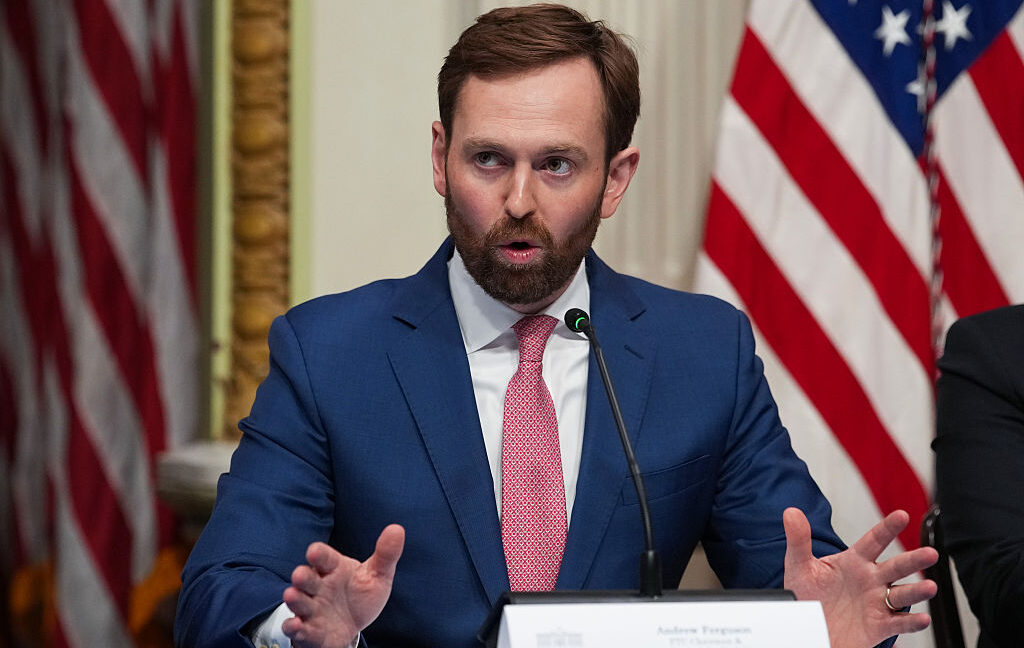
Nonetheless, FTC Chair Andrew Ferguson highlighted that new sectors are increasingly monitoring customers to establish tailored prices, potentially caught off guard consumers who anticipate a listed price to be consistent across the board. According to Ferguson, shoppers in sectors like retail expect to pay the same price as everyone else and are resentful when confronted with disparate rates.
Written by urgent.news from Ars Technica's reporting — not their text. Machine-written — may contain errors; check the original before relying on it.