Penang tightens short-term rental rules, gives operators 2 month to register
GEORGE TOWN: Penang has introduced new licensing rules for short-term rentals, giving operators a two-month grace period to register before enforcement begins.
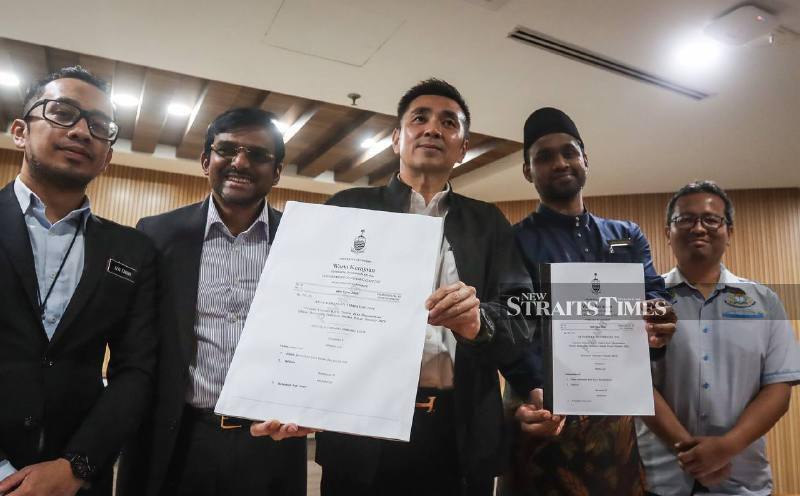
George Town, Penang has rolled out new regulations for short-term rentals, granting landlords a two-month grace period to register their properties before enforcement kicks in. The Private Short-term Accommodation (Local Authorities of Penang) By-laws 2026 went into effect on August 1st, empowering local councils to better oversee short-term accommodation, including platforms like Airbnb.
Violators could face fines of up to RM2,000, or a year in jail, or both. State Local Government, Town and Country Planning Committee chairman Hng Mooi Lye informed reporters that operators would have until October 1st to apply for licenses. The by-laws necessitate private accommodation owners to secure a license from the appropriate local authority and adhere to stipulations on operations, cleanliness, safety, prohibited activities, and public nuisance.
They also grant local councils the power to investigate complaints, enter premises, and shut down non-compliant properties. Hng explained that the new rules were necessary due to the surge in short-term rentals, which has made it challenging for authorities to ascertain the precise count of operating units. With more accurate data expected within one to two years of licensing, the government aims to reassess and refine its regulatory strategy.
Complaints related to illegal private accommodation operations surged to 388 between 2020 and March 2023, with 364 reported to the Penang Island City Council (MBPP) and 24 to the Seberang Prai City Council (MBSP). These grievances typically revolve around noise and traffic disturbances, social issues, overuse of shared facilities in condominiums, and conduct deemed unacceptable by local communities.
Private lodging is barred in government or statutory buildings, healthcare and childcare facilities, dormitories, private educational establishments, budget and mid-range housing, controlled-price homes, and People's Housing Projects. In MBPP's purview, designated zones for private lodging are limited to general housing, general business, and restricted business areas, contingent on the local planning framework.
Strata residential properties are prohibited from functioning as private lodging in MBPP regions, except for select commercial properties such as serviced apartments, small office home offices (SOHOs), shophouses, and shop offices, subject to planning approval for a change of use. Serviced apartments must also conform to the management corporation's (MC) house rules, with the MC having the final say on permitting short-term rental activities.
MBSP plans to revise its existing procedures, including determining if specific areas are suitable for private lodging operations. The licensing regime entails an administrative fee of RM50 per application, with annual licensing fees ranging from RM1,000 for properties with up to three rooms, to RM1,800 per unit.
Written by urgent.news from New Straits Times's reporting — not their text. Machine-written — may contain errors; check the original before relying on it.