Paul Atkins Misreads Adam Smith and the American Founding
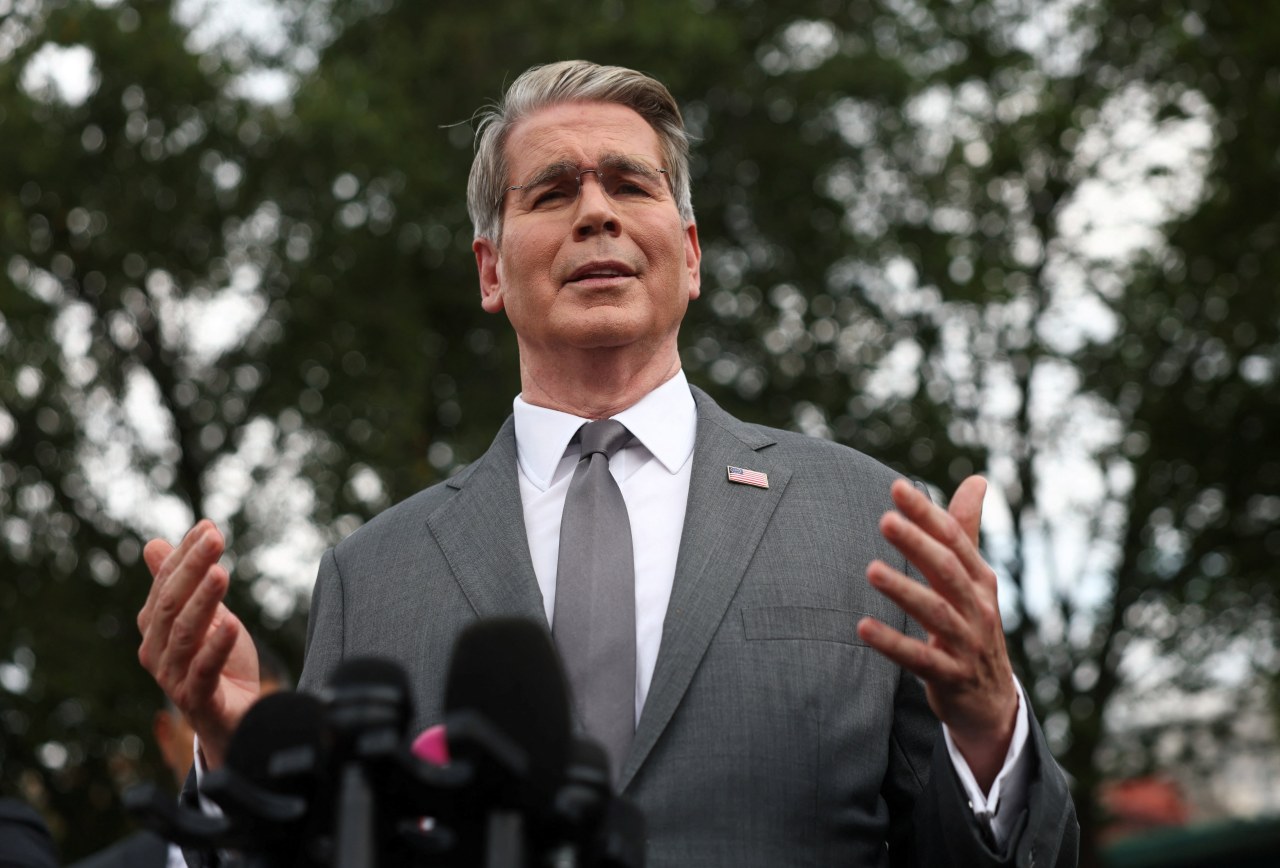
On June 30, Paul Atkins, chairman of the Securities and Exchange Commission, addressed the Economic Club of New York. Speaking on the eve of America's 250th anniversary, Atkins claimed that the Declaration of Independence and Adam Smith's "Wealth of Nations" share a common belief: trust the individual, not the institution. He argued that America's founding documents, in many ways, mirror Smith's key ideas, and the founders, fearful of concentrated power, established a governing framework with the utmost prudence.
However, Atkins misinterprets the coincidence of 1776 as a close relationship, which he then uses to justify a deregulatory agenda, including a complete retreat from cryptocurrency regulation, a move he believes the American founders would have supported as a corruption of republican government.
Atkins's main evidence is Jefferson's copy of "The Wealth of Nations," which he says he found while serving in France between 1784 and 1789, years after he drafted the Declaration. Jefferson himself stated in 1823 that he did not consult any books or pamphlets while writing the Declaration. When pressed about its sources in 1825, Jefferson described the Declaration as an expression of the American mind, reflecting the sentiments of the day found in basic books of public right, including those by Aristotle, Cicero, Locke, and Sidney.
Atkins conflates America's founding with "The Wealth of Nations," turning Smith's defense of free markets into a justification for weakening public oversight of politically favored financial interests. While acknowledging the dangers posed by crowns, parliaments, and bureaucracies, Atkins fails to address the economic factions that the founders also considered threats to republican government.
James Madison warned in Federalist No. 10 about factions arising from unequal property distribution, while Jefferson called for the nation to crush the aristocracy of monied corporations that challenge the government's authority.
Regarding cryptocurrency, Atkins proudly asserts that the SEC is fulfilling President Trump's call to make America the Crypto Capital of the World. In reality, this has meant dismissing or settling cryptocurrency enforcement actions, often in favor of the defendants, many of whom have ties to the president or his family. The crypto industry has contributed significantly to the political conditions enabling this approach, funding the 2024 election cycle and preparing substantial campaign resources for the upcoming midterms.
Moreover, President Trump has personal stakes in the crypto sector, as evidenced by his substantial income from family crypto ventures in 2025.
Atkins's crypto agenda contradicts his praise for Adam Smith, who recognized money and banking as subjects of public law. Smith supported privately issued bank notes redeemable in gold or silver to facilitate commerce, but he also endorsed restricting small-denomination notes to prevent harm to poor laborers, acknowledging that this rule violated "natural liberty" but defending it as a measure to prevent the spread of fire.
Similarly, the Constitution vested authority over the nation's monetary system in Congress, entrusting it with the power to "coin Money" and "regulate the Value thereof," while prohibiting states from issuing bills of credit or making anything other than gold and silver legal tender. Although private bank notes were allowed, the Framers emphasized that establishing the monetary framework was a public responsibility.
Smith and the Framers reached the same conclusion: private monetary innovation has its place but must remain subject to public law. Atkins's crypto agenda deviates from this principle.
Atkins concluded with a warning about socialism, directed at New York leaders he accused of speaking the language of control rather than freedom. He even quoted President Trump's warning about the dangers of communism, but these statements appear hollow coming from an administration that has repeatedly intervened in private markets, including by taking ownership stakes in private companies and providing preferential treatment to politically connected firms.
A warning about political violence loses its force when its source has incited a mob to prevent the peaceful transfer of power and subsequently pardoned those involved.
Written by urgent.news from Hacker News's reporting — not their text. Machine-written — may contain errors; check the original before relying on it.