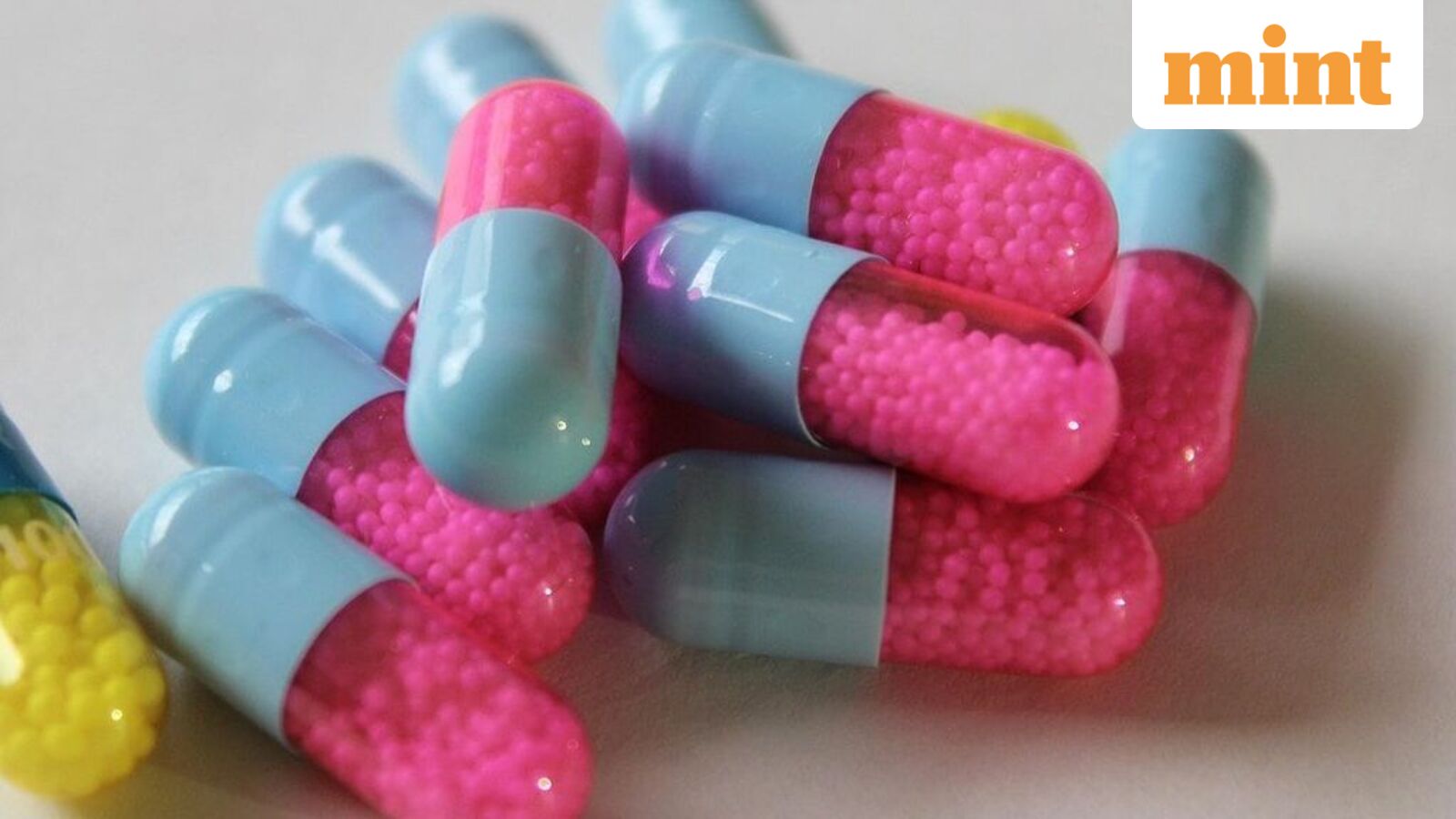
Ozempic and the Hidden Cost of Extreme Thinness
Ozempic stopped being known only inside doctors’ offices a long time ago. On social media, in aesthetic clinics, and in conversations about celebrities, the drug has become a symbol of the growing obsession with rapid weight loss. Yet while semaglutide—Ozempic’s active ingredient—can provide important medical benefits to patients who need it, specialists are warning about […]
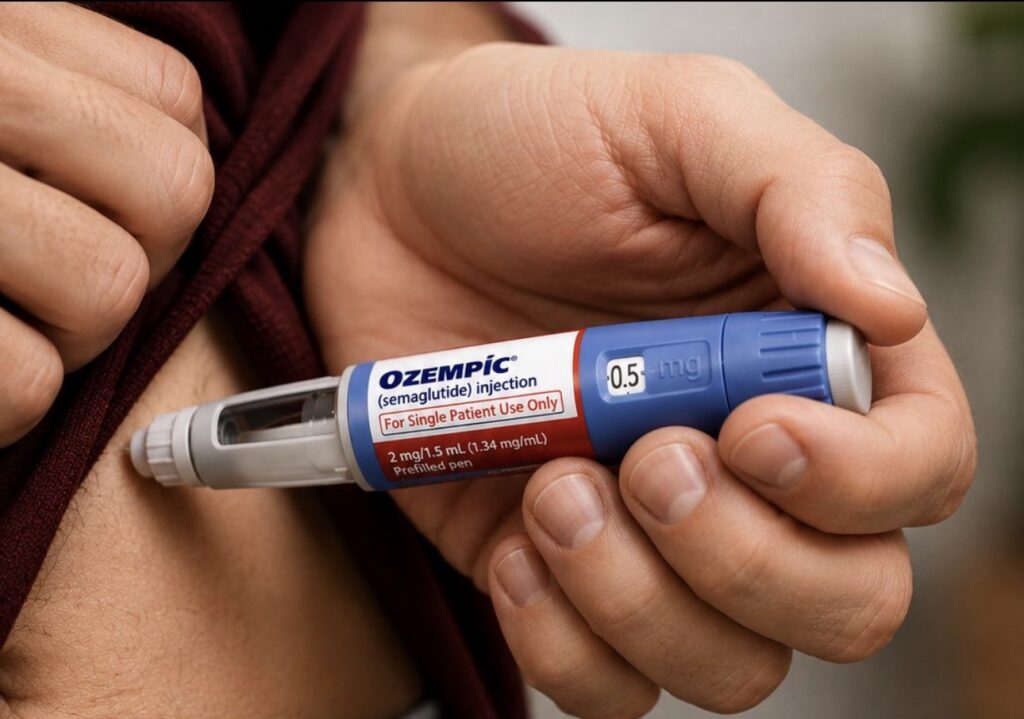
Ozempic, a medication primarily used to treat diabetes and obesity, has gained popularity as a cosmetic tool for rapid weight loss, raising concerns among medical professionals. The active ingredient, semaglutide, works by mimicking the hormone GLP-1, which regulates blood sugar, signals satiety, and slows digestion. While semaglutide can be beneficial for individuals with medical conditions such as type 2 diabetes or obesity, its use for cosmetic purposes is raising questions about the risks and benefits.
Studies demonstrating semaglutide's benefits have primarily involved people with diabetes or obesity, not healthy individuals seeking weight loss for aesthetic reasons. The European Medicines Agency (EMA) has established criteria for Wegovy, a formulation of semaglutide specifically approved for long-term weight management in people with obesity or related medical risk factors. The EMA cautions that Wegovy is not intended for general cosmetic use.
Common side effects of semaglutide include digestive issues such as nausea, vomiting, diarrhea, constipation, and abdominal pain. These side effects are primarily caused by the medication's effect on stomach emptying. However, less common but potentially more serious complications include gastroparesis, pancreatitis, bowel obstruction, gallstones, gallbladder inflammation, and a rare condition called non-arteritic anterior ischemic optic neuropathy (NAION), which can lead to sudden vision loss.
In 2023, a study in JAMA found that GLP-1 medications, including semaglutide, were associated with higher risks of pancreatitis, gastroparesis, and bowel obstruction compared to another weight-loss medication. While these complications were uncommon, the study highlighted the importance of weighing the risks and benefits for individuals using semaglutide primarily for weight loss rather than treating diabetes or obesity.
The EMA has added another safety warning, stating that NAION should be considered a very rare side effect of semaglutide.
Written by urgent.news from Colombia One's reporting — not their text. Machine-written — may contain errors; check the original before relying on it.