Oyarifa demolition raises fresh questions over enforcement, property rights and due process
The demolition of part of an elderly woman’s residence at Oyarifa New York has reignited concerns over how demolition exercises are carried out and the safeguards available to property owners who challenge such actions. Madam Barbara Boateng says she has been caught up in a dispute she does not fully understand after part of her […]
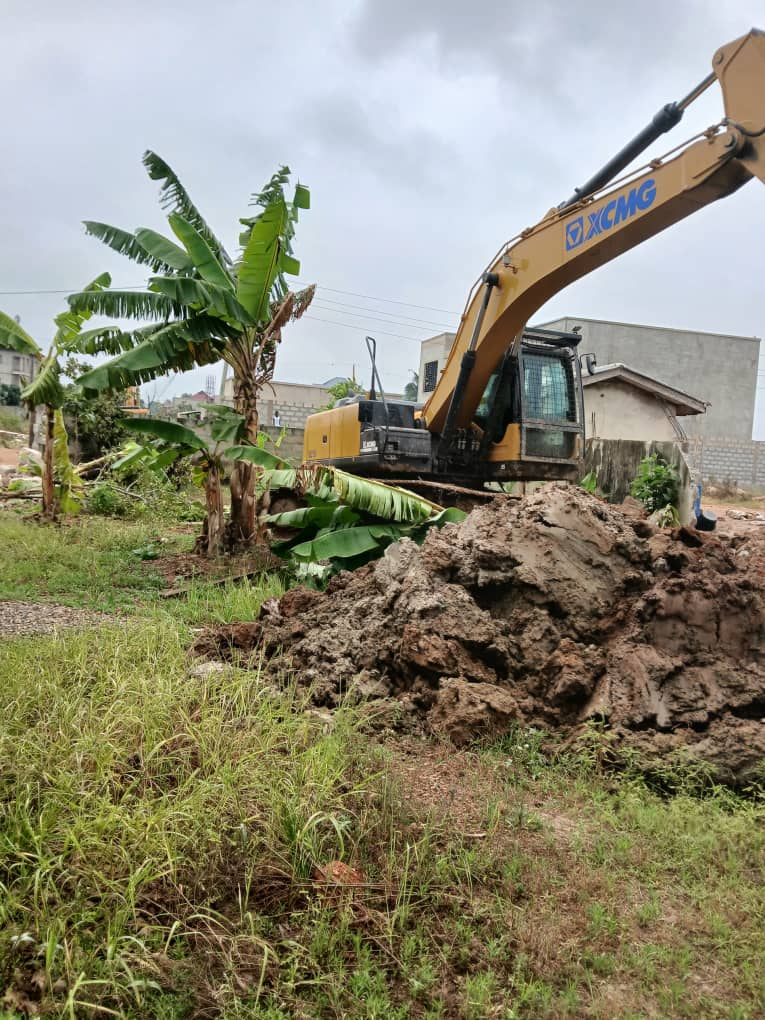
The recent demolition of a section of an elderly woman's home in Oyarifa, New York, has prompted a reevaluation of the procedures and protections in place for property owners facing demolition. Madam Barbara Boateng, the homeowner in question, claims that despite possessing a Land Title and valid building permits, part of her property was demolished without her understanding or consent.
Her legal team is now contesting the demolition and demanding proper engagement with the authorities. They argue that the property is neither situated by a waterway nor within a designated road reservation, and that their client obtained all necessary permits for the construction. According to the lawyers, the authorities placed a demolition notice on the fence but failed to adequately communicate the reasons for the action or engage with Madam Boateng before the demolition proceeded.
This incident has shed light on the delicate balance between enforcing planning regulations and respecting property rights. Across the Greater Accra Region, authorities regularly grapple with the removal of structures located on waterways, drainage corridors, or other restricted areas. However, residents and property owners frequently question the processes used to identify structures for demolition, as well as the notice and engagement provided to affected individuals.
The Oyarifa case exemplifies this ongoing tension. Supporters of Madam Boateng are urging authorities to clarify whether the property was properly evaluated prior to demolition and whether the homeowner's documents were considered. They emphasize that enforcement should not leave citizens uncertain about the rationale behind targeted properties.
Simultaneously, the controversy does not diminish the authorities' duty to safeguard public spaces and waterways when genuine encroachments occur. The real challenge lies in ensuring that enforcement decisions are backed by evidence and transparently communicated to property owners. Madam Boateng's legal team has urged that no further demolition occur until she is formally engaged and has expressed willingness to seek legal recourse to protect her interests.
Thus, the case raises a broader question about how Ghana can bolster the enforcement of planning regulations while simultaneously ensuring that property owners are treated fairly, transparently, and humanely.
Written by urgent.news from Adom Online's reporting — not their text. Machine-written — may contain errors; check the original before relying on it.