Oil Nears $100 as Trump’s ‘Economic D-Day’ Raises the Stakes
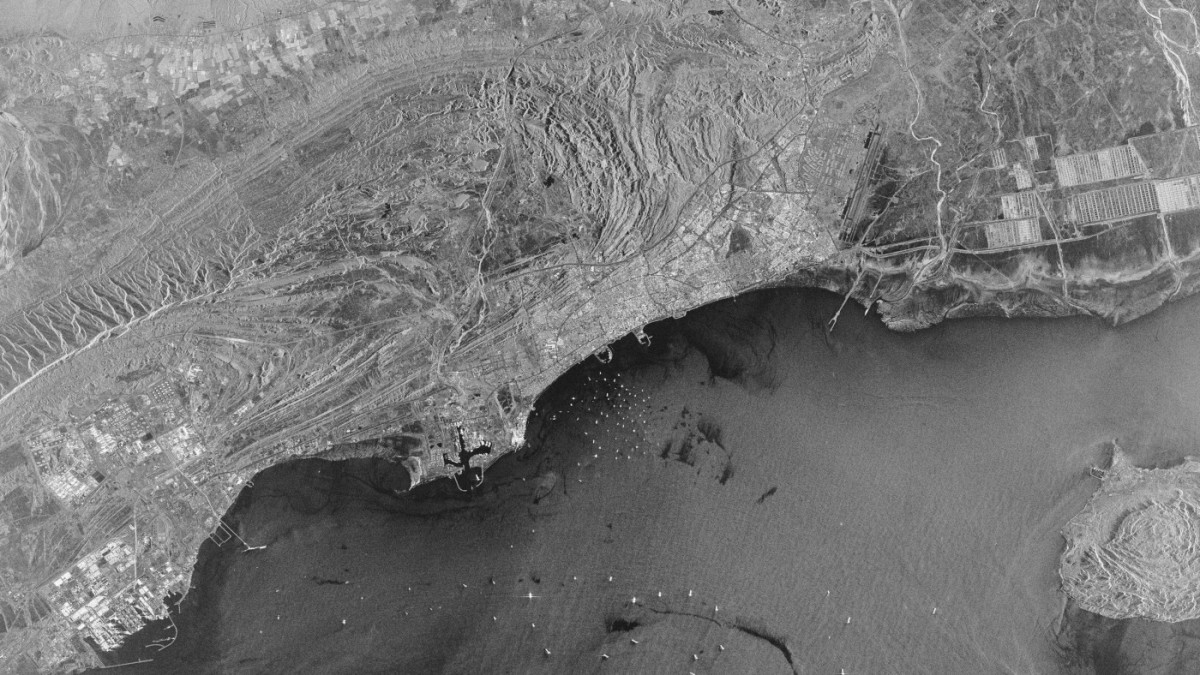
Oil prices edged closer to $100 per barrel as President Trump's 'Economic D-Day' campaign against Iran heightens geopolitical risks. Transits through the Strait of Hormuz have been scarce this week, with Trump's announcement of economic penalties against Iranian trading partners increasing market risk premiums. With ICE Brent at $94 and Asian LNG prices at $24 per MMBtu, oil prices are expected to continue creeping upward towards the $100 mark over the remainder of August.
Iraq aims to ramp up production to 8-10 million barrels per day within six years, seeking a larger OPEC quota and developing alternative export routes. The US has taken over half of Venezuela's oil output, currently at 1.25 million barrels per day, and is sending over 100,000 barrels per day of naphtha to dilute its heavy crude.
Iraq has opened new export routes around Hormuz to reduce dependence on the Strait, while pirates have hijacked an Eritrean-flagged tanker in the Gulf of Oman, adding to security concerns in the region.
The US blockade of Iran has limited new crude shipments to Asia and drained floating storage, pushing some Iranian barrels from a $3 discount to a $2 premium over Brent. Chinese oil imports are expected to rebound as refiners seek new supply, but China's renewables boom faces record clean power curtailments. ExxonMobil expects Kazakhstan's Tengiz field to peak at 1 million barrels per day in 2027, before declining to 500,000 barrels per day by 2035.
Japan's imports of US crude have surged 8-fold to a record 891,000 barrels per day, while its intake of US LNG has jumped 59%. El Niño has reduced Panama Canal daily transits to 32 from 35, and South Korea's coal exit forecast has been raised by 27 GW to 165 GW. Equinor has acquired a stake in Chevron's offshore Namibia exploration license, and the US has allocated $0.5 billion to mineral independence projects.
Biofuel demand has surged after Indonesia's biodiesel mandate, while palm oil prices reached a 20-month high due to El Niño-triggered droughts in Southeast Asia.
Written by urgent.news from Yahoo Finance's reporting — not their text. Machine-written — may contain errors; check the original before relying on it.
This story
This is one outlet's version. Read the fullest account.