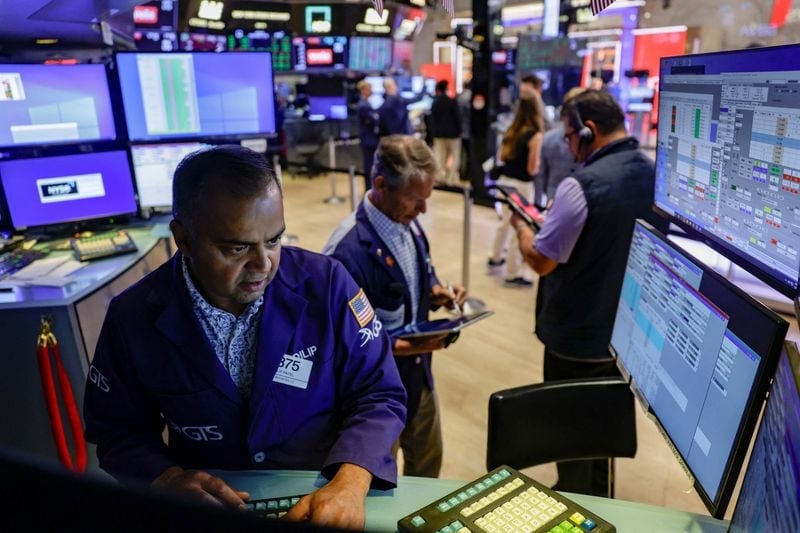
Oil heads for weekly gain while gold and Bitcoin jump on US Treasury buyback plans
Oil prices were set for a weekly jump while gold and Bitcoin surged on Friday amid Iran war uncertainty and a US push to double its bond buyback programme. Prices of crude retreated on Friday, but were still on pace for a second straight weekly gain after the US threatened Iran with its “toughest sanctions” yet. Brent, the benchmark for two thirds of the world's oil, was up 0.25 per cent at…
Oil prices were poised for a weekly increase while precious metals, gold and Bitcoin, also experienced gains on Friday. The surge in crude was driven by Iran war uncertainty and the U.S. plan to double its bond buyback program. Although crude retreated on Friday, it was still on track for a second consecutive weekly gain following threats of harsh sanctions against Iran.
Brent crude, the benchmark for two-thirds of the world's oil, rose 0.25% to $94.01 a barrel, while West Texas Intermediate, the gauge for U.S. crude, climbed 0.37% to $87.15 per barrel. Brent had soared by 3% on Thursday after the U.S. announced tighter economic measures against Iran. Since last week's closing, Brent has risen nearly 5.5%, potentially ending the week above $90 for the first time in a month. WTI has gained almost 5% over the same period.
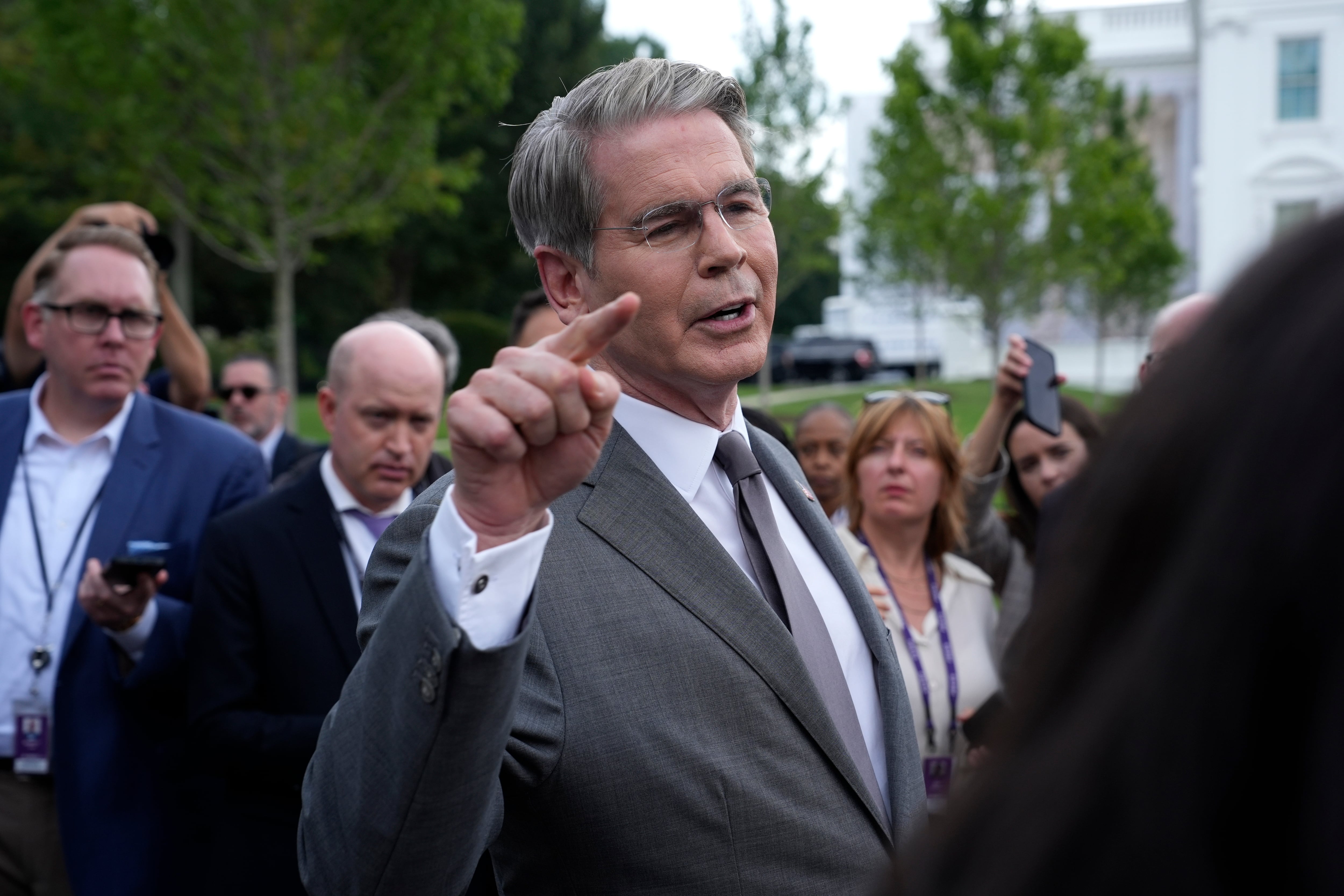
U.S. Treasury Secretary Scott Bessent announced that Washington would impose further punitive sanctions on Tehran to break the deadlock in negotiations. The two sides had initially agreed to a two-month ceasefire in June to pave the way for ending the conflict, but it fell apart, and the U.S. intensified its pressure on Iran's struggling economy.
Treasury Secretary Bessent planned to hold a press conference on Monday to discuss the forthcoming measures. U.S. President Donald Trump warned of "tremendous economic consequences" for nations doing business with Iran.
The U.S. actions have heightened the likelihood that Iranian barrels, shipping routes, and counterparties would face tighter restrictions, according to Naeem Aslam, chief information officer of Zaye Capital Markets. Iran's central bank governor, Abdolnaser Hemmati, declared that the country was not exporting any oil. Iran is also grappling with soaring inflation and a plummeting currency.
The Iranian regime has long endured sanctions, starting with the Carter administration's economic pressure campaign in response to the 1979 embassy seizure. Over 6,000 sanctions target various aspects of Iran's financial, banking, aviation, energy, and cryptocurrency sectors, making it one of the most heavily sanctioned nations globally.
The elevated uncertainty and rhetoric have heightened concerns within the crude market, particularly as oil flows through the Strait of Hormuz remain disrupted, and Middle Eastern supply and refined-product availability are already constrained, Aslam added. Gold and Bitcoin also surged on Friday. Gold, viewed as a safe haven against inflation, increased by 1.87% to $4,597.83 per ounce, on track for a weekly gain of about 5%.
Treasury Secretary Bessent had previously announced a doubling of the size of its repurchases of long-dated securities to at least $4 billion per round over the next quarter, and he hinted at further increases. Gold's rise can be attributed to softer short-term monetary policy expectations, with markets betting that the U.S. Federal Reserve will maintain interest rates at its September meeting.
Meanwhile, Bitcoin jumped about 8% to $77,433.36, marking nearly 24% gains for the week, as reported by CoinMarketCap. Lower Treasury yields and a weaker dollar would continue to support Bitcoin, as they reduce the relative appeal of cash and fixed-income assets, while a resurgence in long-term yields could exert pressure on high-beta assets like Bitcoin, Aslam noted.
Written by urgent.news from The National Business's reporting — not their text. Machine-written — may contain errors; check the original before relying on it.
This story
This is one outlet's version. Read the fullest account.