Odesa port strikes could cost Ukraine up to 5.3% of GDP by 2027
Russian attacks on port infrastructure in Odesa Oblast have significantly disrupted Ukrainian grain exports during the harvest season. Economists warn the fallout from the strikes could cost Ukraine billions of dollars and lead to a notable contraction in GDP, Bloomberg reported on Aug. 20.
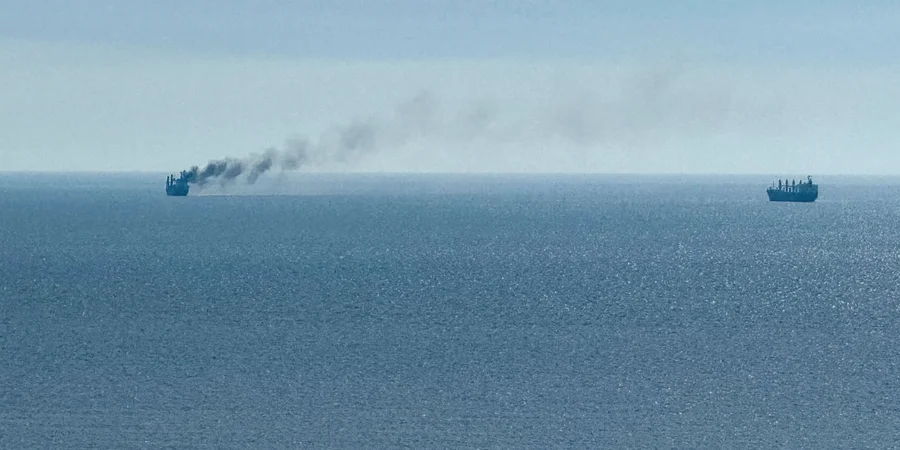
Russian strikes on Odesa port infrastructure have severely hampered Ukrainian grain exports during the harvest season, potentially costing the country up to 5.3% of its GDP by 2027, according to Bloomberg. Ports in Odesa Oblast handle roughly 90% of Ukraine's seaborne grain exports. The constant Russian attacks have drastically reduced shipping volumes, causing problems for farmers and the broader economy.
Agricultural products contribute more than half of Ukraine's export revenue, so any disruption directly impacts foreign currency inflows and financial stability. With limited export capacity, Ukrainian farmers are forced to store grain in unsanitary conditions or sell it at significantly lower prices. Experts warn that national storage capacity could be depleted as early as November if exports do not resume.
This situation is already affecting the domestic market, with low deal volumes and purchase prices for grain at about a third of world market rates. Many producers cannot cover their costs, and farmers face a shortage of funds for transporting harvests and servicing loans. Ukraine's National Bank estimates export disruptions could cost the state $2.5 billion in 2026.
Analysts from Oxford Economics project losses to the Ukrainian economy of around 1.8% of GDP in 2026 and 2.1% in 2027. If export disruptions persist, the impact could worsen to 5.3% of GDP in 2027. To support the agricultural sector, Ukrainian authorities are introducing preferential lending, expanding grain storage capacity, and seeking a 220 million euro EU grant.
However, alternative export routes face challenges due to lower capacity and higher costs, particularly the Danube River ports with reduced water levels. Wheat exports in the 2026-2027 season could drop to 8.3 million tons due to port disruptions, down from an earlier forecast of about 17.6 million tons. Even with maximum use of alternative routes, Ukraine may only export around 30 million tons of agricultural products during the season, leaving a significant portion in storage or lost.
Economists warn that sustained Russian strikes on Black Sea port infrastructure could lead to inflation, reduced foreign currency earnings, and slower economic growth for Ukraine, posing risks not only to the Ukrainian economy but also to global food security.
Written by urgent.news from New Voice of Ukraine's reporting — not their text. Machine-written — may contain errors; check the original before relying on it.