NST Leader: Plugging the gaps in border security
FOR decades, drug cartels have developed sophisticated methods to evade detection, favouring deep-sea transit and commercial container fraud because the bigger payloads mean bountiful profits.
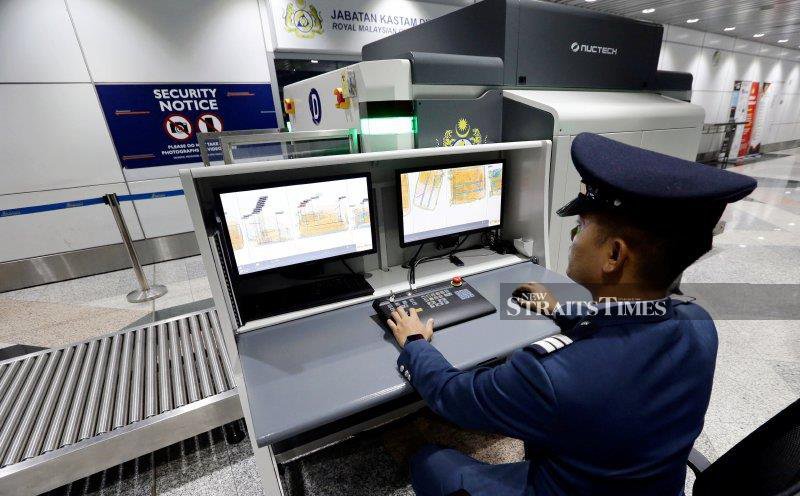
For decades, drug cartels have honed their techniques to outsmart border security, often resorting to deep-sea transit and fraudulent commercial container shipping due to the lucrative nature of large shipments. As the Golden Triangle syndicates find Malaysia and Indonesia to be attractive markets and vital transit points, border porousness provides them with ample opportunities.
Smugglers repeatedly experiment with different transportation methods, learning from past failures captured by anti-narcotics police. One persistent tactic relies on drug mules, who, despite carrying smaller quantities, are easy prey for those enticed by the promise of profit. These mules, divided into three categories, face growing challenges from enhanced detection methods such as body scanners, digital radiography, and specialized profiling.
The recent arrest of an off-duty Malaysia Airlines second officer, who was discovered with 25kg of ecstasy and methamphetamine in his luggage at Soekarno-Hatta International Airport on July 28, serves as a reminder of the risks involved. In response to this incident, the cabinet has endorsed 17 recommendations to reinforce security measures at Kuala Lumpur International Airport and other entry points.
These recommendations include targeted screening for high-risk passengers, crew, and baggage, as well as enhanced e-vetting and stricter access controls for those working in restricted areas. Furthermore, drug testing for aviation personnel, including pilots and cabin crew, will be intensified through pre-employment, regular, and random checks.
While these measures are undoubtedly necessary, they must not hinder the travel experience for legitimate passengers. It is crucial that the implementation of these new safeguards adheres to clear timelines and demonstrates measurable outcomes, as the effectiveness of scanners, surveillance systems, and risk-management tools depends on the proper training and maintenance of staff.
Ultimately, the primary objective should be to fortify structural border security, rather than reacting to isolated incidents. Tighter security measures are necessary, yet they should not be perceived as a reactive response. Instead, a collective sense of responsibility among all agencies involved in border security must now be ingrained in their daily operations.
The question remains: had the existing screening procedures been adequate before the co-pilot was apprehended? The success of these new measures hinges on the seamless collaboration of all involved parties, as the failure of one agency to uphold security protocols would ultimately compromise the safety of everyone.
Written by urgent.news from New Straits Times's reporting — not their text. Machine-written — may contain errors; check the original before relying on it.