NPR by another name? Why Census 2027 questionnaire has created controversy
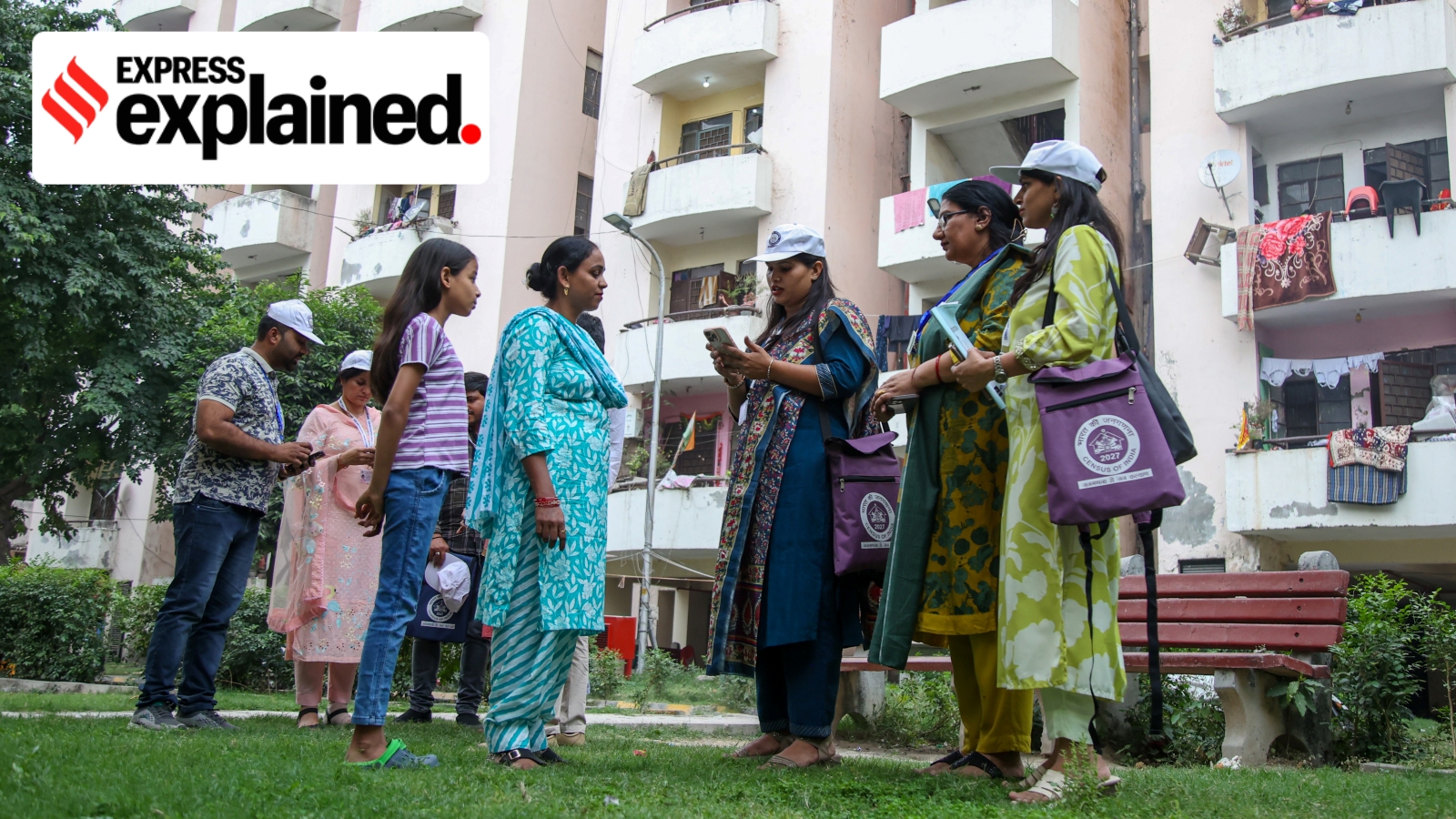
The Census 2027 questionnaire has sparked political controversy, with the Congress party alleging that detailed questions about respondents and their parents could enable surveillance and have a "deeper nefarious purpose." The Left has echoed these concerns. The controversy stems from the inclusion of several new or modified questions in the Census questionnaire, which were also part of the National Population Register (NPR) schedule notified in 2020.
The NPR had faced protests due to concerns over the Citizenship Amendment Act (CAA) and fears of a nationwide National Register of Citizens (NRC). The population enumeration questionnaire comprises 40 questions, 14 of which are new or modified compared to the 2011 Census. These questions relate to spouse's name, nationality, father's and mother's details, Scheduled Caste/Scheduled Tribe status, literacy and digital literacy, educational qualifications, Covid-19 vaccination status, bank accounts, mobile numbers, Aadhaar, voter ID, passport, and driving licence.
The parental questions, in particular, have raised concerns. The NPR schedule from 2020 included questions about the date and place of birth of a person's father and mother, including their district and state, and the country if they were born outside India. These questions were at the heart of the political opposition to the NPR.
The controversy revolves around privacy and the political context surrounding the NPR. Critics argue that Census data is typically collected for population statistics and planning, while the new questionnaire asks for a broader range of personal information that could identify individuals or link them to other government databases.
Privacy concerns center on how the data is stored, protected, and utilized. Additionally, the NPR is linked to the preparation of the National Register of Indian Citizens, creating political tension. The NPR is a register of the country's "usual residents," not a citizenship register. The NPR was revived in 2020 amid the CAA and NRC discussions, further fueling the political debate.
The government responded by assuring that the controversial parental questions were optional. They claimed that knowing demographic composition would aid policy formulation and service delivery. However, the government's statements were contradictory, as earlier it had denied using NPR data for an NRC. The government needs this detailed data for administrative purposes, such as policy formulation, public service planning, identifying beneficiaries, and enhancing national security.
Written by urgent.news from The Indian Express's reporting — not their text. Machine-written — may contain errors; check the original before relying on it.