Modi-ism must evolve into institution-centred nation-building
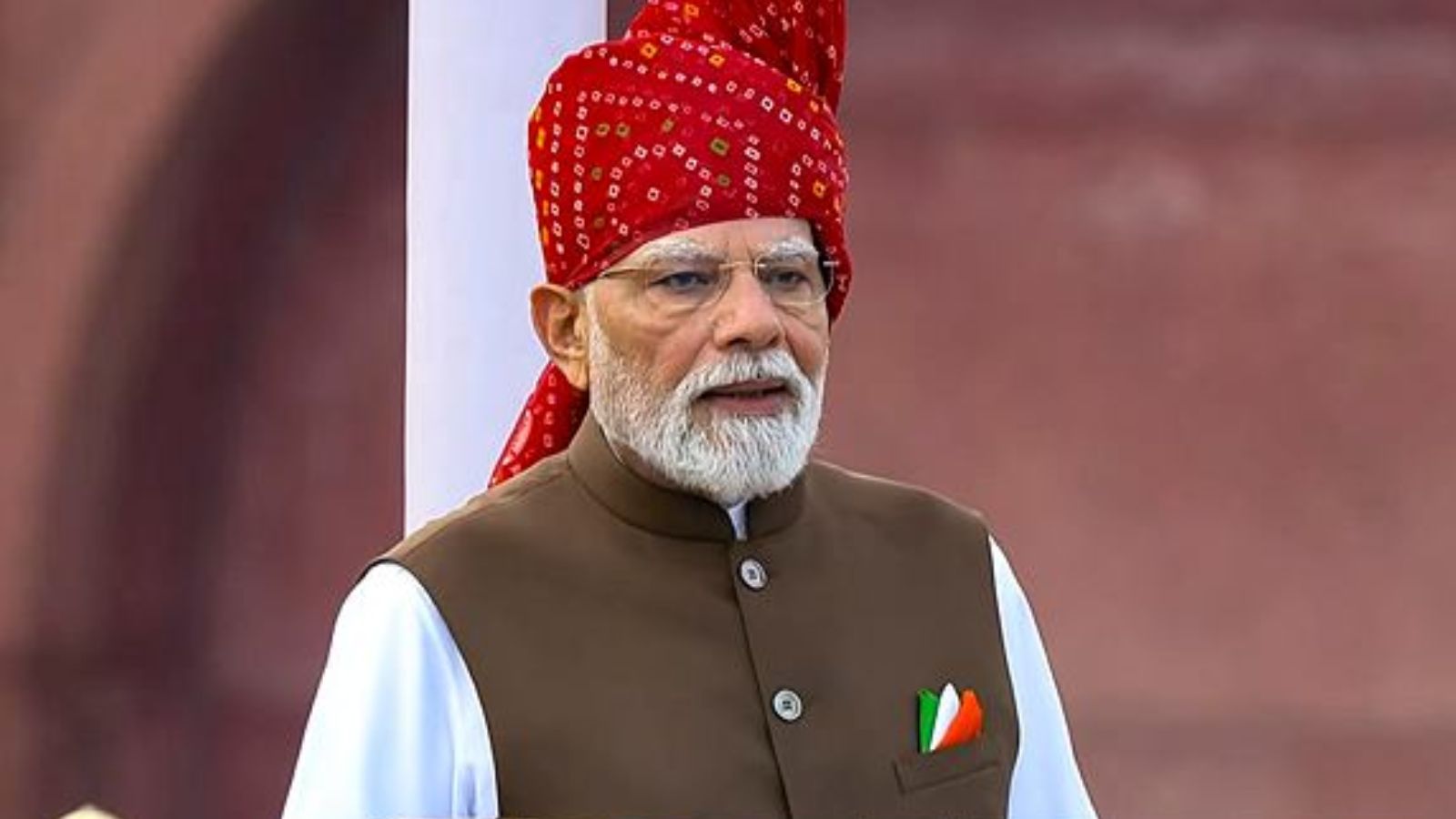
The political era known as "Modi-ism" in India revolves around Narendra Modi and his governing approach. This brand of politics emphasizes a commanding leader, a disciplined party organization, a focus on civilisation, centralised decision-making, technology-driven welfare, infrastructure-led development, strong national security, and direct communication with citizens. At its core, Modi-ism offers a clear promise: a strong leader, a purposeful state, and a stronger India.
Modi's political influence has been undeniable. He has transformed the BJP from a regional party into the central force of Indian politics. He expanded the party's reach beyond its traditional base and made leadership itself the main electoral proposition. In the 2024 elections, however, the BJP's seat count dropped to 240, requiring the NDA coalition to form the government. This outcome did not negate Modi's mandate; instead, it highlighted a desire for continuity, consultation, coalition-building, and restraint.
The Modi era has indeed produced visible public benefits. Infrastructure projects, digital platforms, direct benefit transfers, financial inclusion, sanitation, housing, electrification, and welfare initiatives have strengthened the state's ability to reach citizens. The government's poverty estimates have also shown improvement, with multidimensional poverty dropping from 29.17% in 2013-14 to 11.28% in 2022-23, according to NITI Aayog's estimates.
However, one must question whether Modi-ism remains securely anchored in India's constitutional framework.
Critics argue that the Modi government seeks to weaken pluralism, dilute socialism, replace rights with government charity, capture institutions, and alter the Constitution. Supporters dismiss these claims as partisan hostility towards Modi or resistance to India's cultural resurgence. Both perspectives are overly simplistic. The legitimacy of a government's constitutional character should be evaluated by the actual exercise of power, not just by slogans or unsubstantiated perceptions.
Despite elections remaining fiercely competitive, governments changing in the states, and opposition parties governing significant parts of the country, the Supreme Court in November 2024 reaffirmed the constitutional order by rejecting petitions that challenged the inclusion of "socialist" and "secular" in the Preamble. While this decision does not imply formal dismantling of the Constitution, it does underscore the importance of maintaining institutional independence, credibility, and adherence to constitutional conventions.
Pluralism is a concern in a democracy, not because of legal abolition of religious freedoms, but because majoritarian mobilisation and inflammatory language can make minorities feel conditionally accepted. Cultural nationalism is constitutionally permissible; cultural supremacy is not. India can proudly acknowledge its Hindu civilisational roots, but the republic belongs to every citizen, irrespective of their religion, political allegiance, or adherence to a specific national identity.
Socialism, as enshrined in the Constitution, does not necessitate a return to the license-permit raj, hostility towards private enterprise, or indiscriminate state ownership. Instead, it calls for social and economic justice, equality of opportunity, and protection against degrading deprivation. Many welfare programmes initiated during the Modi era contribute to these constitutional objectives.
However, the challenge arises when statutory entitlements are portrayed as personal benevolence from a leader. Public obligations, financed by citizens and delivered under law, are essential for rights-based governance.
Examining institutional capture requires evidence rather than rhetoric. While any elected government has the right to govern, make lawful appointments, and implement its agenda, institutional autonomy necessitates transparent appointments, procedural fairness, and visible distance from partisan command. Recent legislative trends, such as the swift passage of bills and limited parliamentary committee referrals, coupled with the Supreme Court's decision striking down the electoral bond scheme, warrant scrutiny of the Modi government's approach to institutional governance.
Written by urgent.news from The Indian Express's reporting — not their text. Machine-written — may contain errors; check the original before relying on it.