Mobile phones are 'Trojan horses' for germs. Here's how to clean them
Mobile phones behave like "biological magnets", with thousands of micro-organisms living on their surface, experts say. Here's now to keep them clean.
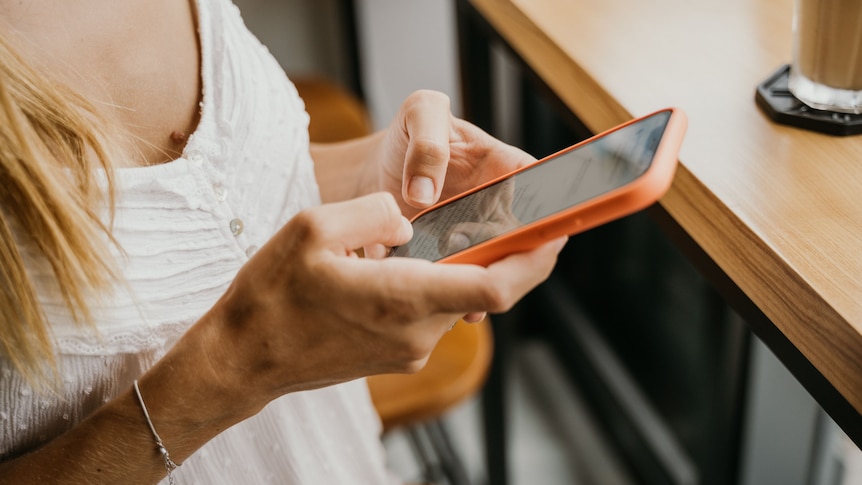
Mobile phones carry a variety of microorganisms, including bacteria, viruses, fungi, and parasites, according to Dr. Lotti Tajouri, an associate professor in molecular biology and genomics. They found over 17,000 microorganisms on 95 phones studied. Dr. Tajouri explained that mobile phones act as "biological magnets," providing an ideal environment for microbes due to their warm and moist conditions.
In the 95 phones analyzed, they also discovered superbugs, antibiotic-resistant genes, and virulence factor genes, which enhance a pathogen's ability to cause disease.
Dr. Tajouri emphasized that these germs transfer back to our faces when we use our phones, as we touch our lips, eyes, and nose on average 25 times per hour. Eighty percent of common infections are linked to hand hygiene, and since mobile phones negate handwashing, people who frequently use their phones in public toilets, such as the elderly, infants, and those with chronic diseases, are at the highest risk of illness.
To keep your phone clean, Dr. Meena Jha, head of technology at Central Queensland University, advised unplug the phone and remove protective cases before cleaning. A soft microfibre cloth is the safest option for initial cleaning, followed by disinfection with 70% isopropyl alcohol wipes if necessary. When cleaning, ensure the cloth is damp, not dripping wet, and avoid spraying directly onto the phone.
Use a soft, dry brush for hard-to-reach areas like charging ports and speakers. Harsh chemicals and excessive scrubbing can damage the device's oleophobic layer, reducing touch responsiveness. Dr. Jha recommends cleaning the phone once a week, but more frequent cleaning may be necessary if the phone is regularly used in high-risk environments, such as hospitals.
Written by urgent.news from ABC News AU's reporting — not their text. Machine-written — may contain errors; check the original before relying on it.